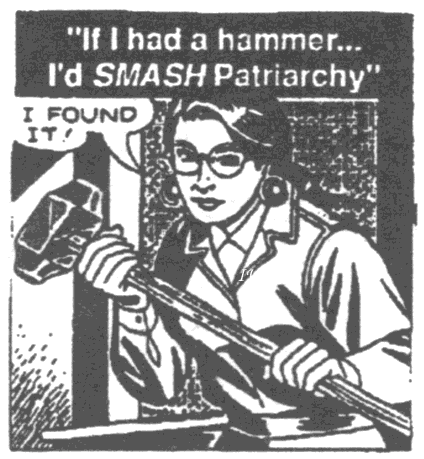
Just (or, an insidious little word that I use too often)

27 Sep

I teach a regular yoga class on Sunday evenings. My friend Charlene, who is an amazing teacher that I respect like whoa, teaches the class right before mine. For a few weeks now she’s been threatening promising to take my class, the thought of which was basically vomit-inducing.

I mean, imagine this: you, a neophyte in your field, suddenly have someone with years of experience and training under their belt, someone who has been inspiring you with their amazingness for quite some time now, who wants to be your student. Pretty nerve-wracking, right?

Anyway, I was nervous, my voice quavered a little when giving instructions, and every time I looked at her I forgot everything I’d ever learned, but other than that it went pretty well. Afterwards she thanked me for the class and said she’d enjoyed it, so I asked if she would email me with some feedback and constructive criticism.

I received her (extremely lovely and thoughtful) email the other night, and one paragraph really jumped out at me:

I noticed that you say “just _________”  a lot, as in, “just reach your arm up, just step forward”.  I catch myself doing this as well sometimes and realise that it detracts from the impact of the practice and my presence. There are no “justs” in yoga, since every movement and breath should be linked with some degree of awareness and attention- everything we do matters. Saying “just” a lot also makes the class seem more casual than perhaps we want it to be, since after all, people come to class to learn….they need to trust that we are confident in our capabilities to guide them.

Having read this, I’ve been carefully monitoring my speech for the last few days, and I’ve come to the following conclusion: I say just a lot.

I don’t just say it in a yoga context, either. I use it quite often when I’m talking about myself, and about my accomplishments. This morning I was sitting in the cafe across the street from the studio, and a woman asked me what I did for a living. Oh, I just manage a yoga studio, I replied without thinking. The real kicker is, it’s NOT EVEN TRUE. I don’t just manage a yoga studio – for one thing, phrasing it that way makes it sound lesser or inferior to other jobs, and for another thing, I also teach yoga and write, but for some reason I never think to mention those.

I mean, I say some reason, but I totally know the reason. It’s because I am a woman and, as such, it makes my life easier to constantly diminish my own accomplishments and make myself appear less threatening.

Every time I say just, what I’m really saying is, This isn’t important. I’m not important. Please don’t question me on this.

Every time I say I think when I really mean I know, what I’m actually saying is, Please don’t think that I’m trying to show you how smart I am or how accomplished, I’m sure you’re very smart and accomplished too.

The dangerous thing is that I keep telling myself that if I just teach more often, or get more stuff published, or accumulate more successes, then I will stop feeling this way. I tell myself that I use this kind of demeaning language against myself because I’m just not good enough yet, but someday I’ll get there. Really, though, the truth is that if I don’t think I’m there yet, then I will never get there and I will never be good enough, because my desire to self-deprecate will continue to push my goals just out of reach.

Let’s go back to the basics here:

Men feel threatened by women, especially powerful, successful women. This is ground that’s been covered over and over, but it bears revisiting.

Women also feel threatened by the success of other women, because we’ve been set up by society to compete against each other. There’s some jealousy in there, of course, but I also get the feeling that women often feel like success is something finite, and if one woman uses up a big chunk of success, then there will be less for everyone else. And maybe that’s a even a bit true, because while society seems to tolerate plenty of successful men, it doesn’t seem to have a lot of room for women at the top.

So how do you react when you’re challenged by someone on your success? Do you get defensive, grow angry and maybe start to lose your temper as you try to prove your point? Some people do, and that’s not necessarily a bad or wrong reaction – but it is one that’s certainly far more accepted from men than it is from women. If a man becomes righteously angry, he’s often lauded for it. If a woman does the same thing, it’s frequently blamed on her menstrual cycle, or her lack of sex, or because, you know, ladies.

So what’s one way around this problem? To be nice and reasonable, because you catch more flies with honey? To be nice enough that you can convince men that sure, you’re smart and well-educated, but you’re not one of those women. To be reasonable enough to prove that not all feminists are hysterical and crazy, some are totally kind and thoughtful and soft-spoken.

To be so fucking nice and reasonable that you start to undermine yourself, to diminish yourself because you don’t want to cause conflict. To be so respectful of other people’s opinions, so concerned about not offending them, that it starts to become hard to stand up for what you yourself believe in.

I’m not saying don’t be nice and respectful, but what I am saying is that these are qualities that men have come to expect from what they think of as “reasonable” women. And every time you describe yourself as just being whatever, every time you back away from an argument by conceding that everyone’s allowed an opinion even though what the other person is saying is totally wrong and offensive to you, you are playing right into that expectation.

I’ve written here about being careful about the words we use when talking about other women, but we also need to watch the words we use when talking about ourselves. In order to be successful, we need to learn to talk ourselves up, to speak positively about our accomplishments, and not be afraid of a little conflict. We need to learn to be assertive, because society isn’t going to begin tolerating assertive until more women are comfortable in that role.

So I challenge you to spend a few days watching what you say, and taking stock of how often you use words like just or think or only when you’re talking about yourself or your opinions. Ask yourself what your speech would sound like without those words. Finally, try to make a few statements about yourself every day that celebrate your work, your life, or your accomplishments instead of demeaning them.

Because if you don’t take yourself seriously, probably no one else will.
What It’s Like To Write

27 Sep

Writing here is sometimes like standing in the middle of a crowded auditorium, peeling off layer after layer of clothing, asking, Do you like me yet? How about now? Or now?

It’s sitting in a confessional and whispering my secrets into the gloom, inhaling the church fug of old incense, furniture polish and a thousand rainy days and exhaling all of my sins.

It’s feeling like a grubby-faced kid writing a note to their crush, trying desperately to play it cool but ending  up with a barely articulate mess of feelings.

It’s sometimes like being pregnant and giving birth to a kitten, while all along I thought I was carrying a baby. And it’s not that I don’t like, maybe even love, the kitten, it’s just not what I set out to make in the first place.

It’s slogging through the morass of possible words, digging in the muck to find the perfect turn of phrase.

It’s realizing that nothing I write will ever be perfect, no matter how obsessively I revise and revise and then revise some more.

It’s hearing Audra say, Perfect is the enemy of good.

It’s wondering if anything I write will ever be good, or even good enough.

***

My friend Meredith posted this poem on Facebook and it’s so exactly right. Every word is like a knife straight through me.

My party piece:
I strike, then from the moment when the matchstick
conjures up its light, to when the brightness moves
beyond its means, and dies, I say the story
of my life

dates and places, torches I carried,
a cast of names and faces, those
who showed me love, or came close,
the changes I made, the lessons I learnt

then somehow still find time to stall and blush
before I’m bitten by the flame, and burnt.

A warning, though, to anyone nursing
an ounce of sadness, anyone alone:
don’t try this on your own; it’s dangerous,
madness.

Simon Armitage, 1993

The Oatmeal Is Actually Pretty Gross, You Guys

26 Sep

When I was a kid, I loved watermelon. Loved it. I couldn’t get enough of that shit.

Then one day, when I was five or six, I ate a bunch of that delicious summertime fruit, caught some kind of stomach bug, and ended up puking violent pink puke all night. Ever since then, I haven’t been able to stand the taste or smell of watermelon.

This is pretty much how I’m feeling about The Oatmeal right now.

A few days ago I wrote a post about The Oatmeal’s recent comic, My dog the paradox. I had some concerns regarding the misogynistic language he used in it, but I was pretty nice about it. I’m a pretty nice person, you guys.

I don’t feel so nice right now.

See, in my post about the dog comic, I was all, I’m disappointed, because I thought that The Oatmeal was smarter and better than this. I’ve since learned that apparently The Oatmeal is not better than this.

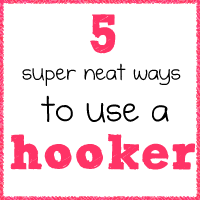
Apparently, not only did Matt from The Oatmeal write a comic about his dog, he also wrote an extremely hilarious comic called 5 Super Neat Ways To Use A Hooker. I know! So funny! I bet you’re laughing already, without even having clicked on the link!

Basically it’s a comic about how sex workers are objects, and you could use them in a variety of ways, such as to prop up couch forts, or act as bird feeders.

The whole thing is pretty fucking gross. The drawings, which show garishly made up women with blank stares and bodies hanging out of their clothing, make it even worse.

Don’t worry, though. Matt from The Oatmeal already knows that you’re angry. He knows that you’re offended. He just doesn’t care, because the problem isn’t him, it’s you.

In his contact section, he’s pretty open about the fact that he doesn’t give a shit about what you think. Not only that, but he definitely doesn’t want to hear anything negative from you about his comics:

Do not expect diplomacy. The Oatmeal is a one man operation, and this gives me the right to say horrible things to you if it pleases me. You may even have a valid point or fantastic insight, but this won’t stop me from calling you horrible names and claiming to have spent an evening or two with your mother. [hahaha, a YOUR MOM joke – those things are always hilarious!]

Do not email me because you are offended by: my hooker comic, eating horses, abortion, how Twilight works, or my usage of the word retard.

Do remember that this site is for fun, and to not take it too seriously. If you don’t understand satire don’t email me.

Um, Oatmeal Dude? I think you might be the one who doesn’t understand satire. Let’s have a look-see at how Merriam-Webster defines it, shall we?

1: a literary work holding up human vices and follies to ridicule or scorn

2: trenchant wit, irony, or sarcasm used to expose and discredit vice or folly

In what way is 5 Super Neat Ways To Use A Hooker holding up human vice and folly to ridicule or scorn? I’ve got news for you, buddy: it’s not. What it is doing is reinforcing the idea that sex workers aren’t people.

We live in a world where being a sex worker is the most dangerous occupation in North America, at least in terms the homicide rate. According to one statistic, the homicide rate for sex workers was estimated to be 204 per 100,000. Compare that to the next highest rate, which is for female liquor store employees and is 4 per 100,000 or the highest rate for men, which is 29 per 100,000 for male taxi drivers.

We live in a world where Robert Pickton confessed to murdering 49 women, most of them sex workers. A world where he disposed of their bodies in a variety of disgusting, inhuman ways, and then had the balls to initially plead not guilty.

We live in a world where, in a recent study done in San Francisco, 82% of the sex workers interviewed had been physically assaulted, 83% had been threatened with a weapon and 68% had been raped while employed as sex workers.

A huge part of this violence is because sex workers are viewed by society as things rather than people. Things to be used. Things that exist solely to fulfill men’s needs. Things to be mocked in an online comic.

But, you know, Matt from The Oatmeal is being totally satirical when he compares them to objects or animals, or when he draws their blank, expressionless faces and their sagging, doughy bodies.

I used to think The Oatmeal was smart and funny. I mean, it has a lot of comics about cats, and I am a total sucker for comics about cats! I also enjoyed the way it dissected pop culture, and some of the stuff it had to say about religion. I thought the dude who wrote it was pretty hilarious and cool.

Now, though, every time I think of The Oatmeal, I get that pukey watermelon feeling. I can’t ever look at it the same way, and it’s going to be hard not to yell THIS GUY HATES WOMEN when people try to share his comics with me.

You know what pisses me off the most? The fact that I was willing to give him the benefit of the doubt. The fact that I was all, well, I’m sure he didn’t mean to be a misogynist. Even if I’d just seen his hooker comic, I might have been able to continue to believe that he didn’t know any better, or that he didn’t understand. But no, his contact section clears that right up for me – he knows that what he’s saying is terrible, he just doesn’t give a fuck. He doesn’t give a fuck because it’s satire.

I’m so angry and disappointed. I’m so fucking tired of smart, funny things that are basically men-only spaces. I’m tired of feeling like I’m a persona non grata just because I have a vagina.

Man, misogyny. THIS IS WHY WE CAN’T HAVE NICE THINGS.

A Few Meditations On Being a Feminist Parent

25 Sep

My kid has a tractor obsession. Like, he goes bananas any time he sees one of the damn things. This bit of information will, hopefully, help explain why I found myself at the International Plowing Match And Expo on Friday with Theo and my mother.

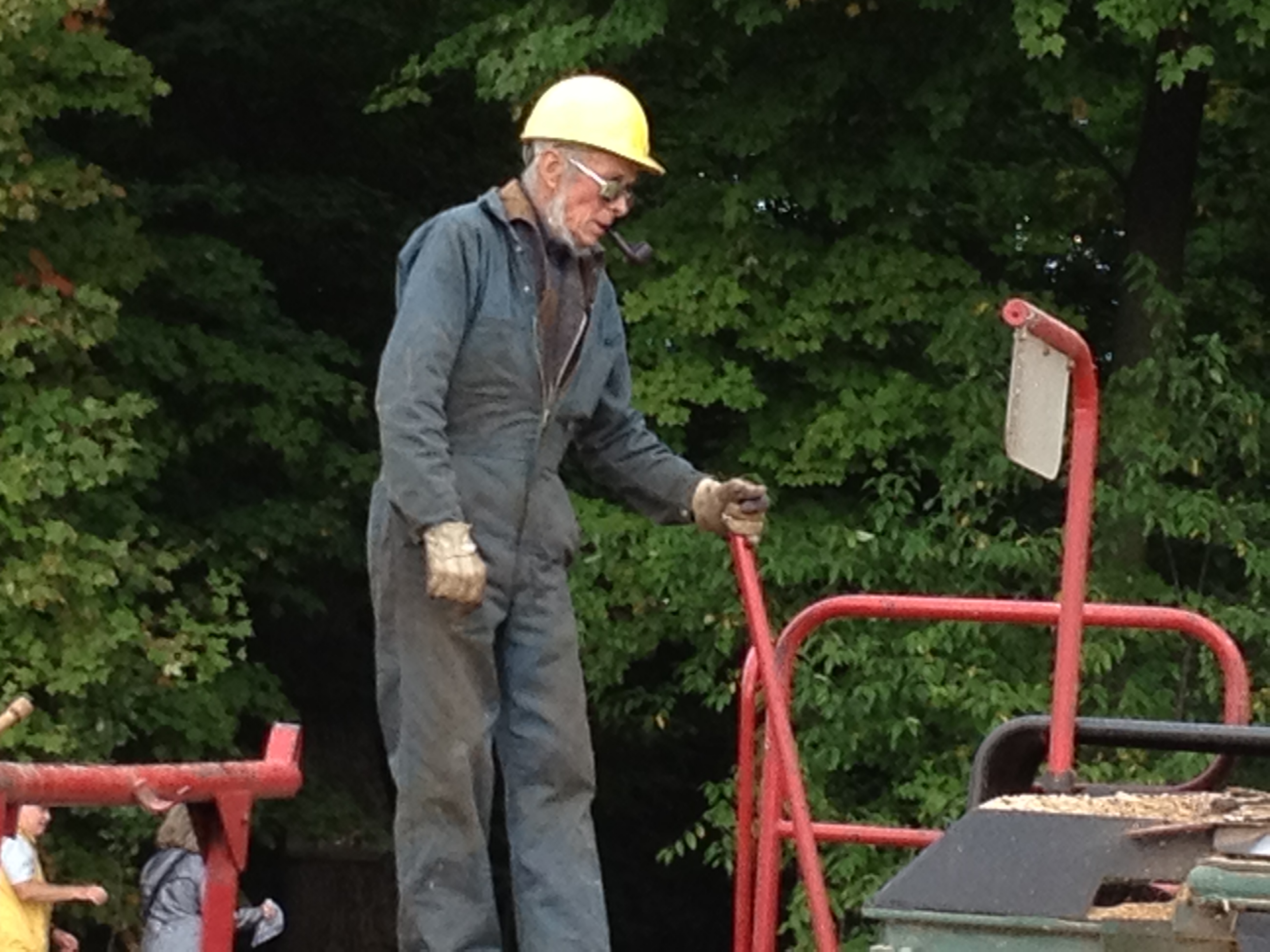
The plowing match was held not far from where I grew up in Kitchener, Ontario, and was filled with men who looked like this:

The pipe is my FAVOURITE PART

It was basically a whole day of mingling with old white farmer dudes, watching people use old-timey plows and admiring farming equipment. In a way, it was oddly comforting, or at least comfortingly familiar – I feel like a lot of my Kitchener childhood was spent around old white farmer dudes, so seeing their mutton chop beards and dingy overalls definitely gave me the warm glow of home.

Anyway, Theo basically had the time of his life. There were so many dang tractors at the show; there was even a tractor square dance. I kid you not. I bought Theo a toy tractor, which he promptly named Go and hasn’t put down since.

That night, after we got back to Toronto, I went over to my friend Caitlin’s place to help her pack for an upcoming move. Afterwards, I texted Matt to let him know that I was on my way home, and asked how Theo was doing.

The response I received was less than encouraging:

Bad. He just threw up.

Theo spent the rest of the night throwing up, and part of Saturday. Weirdly, he seemed totally fine in between bouts of vomiting – he would get ‘er done without much fuss, then run off and go about his business. He was fine all day Sunday, so we brought him to daycare this morning.

Unfortunately, Theo-the-puke-machine turned into Theo-the-poop-machine this afternoon. Which means that one of us has to stay home with him tomorrow.

So here’s where things get tricky: as Theo’s mother, and the person who has been his primary caregiver for, oh, pretty much his entire life, I feel like I should be the one to stay home. But I won’t be, because, as a person who has recently joined Elizabeth Wurtzel’s Club Of Serious Grown Ups And For-Real Feminists, I have to, you know, go to work. Matt’s job is in some ways more flexible than mine, and it was easier for him, in this particular instance, to take the time off.

This made me feel guilty. Because, really, doesn’t a sick baby need their mother most of all?

I’ve been feeling a lot of guilt lately. Granted, we’re only about two and half weeks into Theo’s daycare career, but I’m frustrated that I’m having so much trouble ironing out the bugs in our schedules. The hardest part is that I feel like I barely see him.

In a perfect world, I would only have to work two evenings a week, and would be able to pick him up mid-afternoon most days. In the real world, I’ve had to jump at a few subbing opportunities that have come my way (the first rule for new yoga teachers being Make Yourself Available), and I often find myself coming home before going to pick my kid up so that I can get a bit of housework done before Hurricane Theo returns.

I guess that what it boils down to is, what’s most important to me right now: being with my kid every moment that I’m not managing the studio, or trying to balance my Theo time with my building my career as a yoga teacher time? More and more often, I’m finding that building my career is winning out.

Why? Well, I spent the first nineteen months of Theo’s life devoting the vast majority of my time and energy to his well-being. I’m glad that I did, because that was what worked best for me and my family. But now that Theo is older, and really beginning to assert himself as his own person, daycare seems to be a really good fit for him. He’s excited to go, and he often talks about his friends there: Ella, Anand and Eliana have all come up recently in conversation. Oh, and my favourite, Jonah, which Theo pronounces “Gonad”.

It’s not that Theo and I didn’t have fun when we were home together, but I’ve realized something: this is a tough age for me. I don’t mean that Theo is difficult to be around, or that he’s throwing terrible tantrums (not yet, anyway), but I often find myself unsure of what he needs from me as a mother these days. When he was a tiny baby, it was easy to know what he wanted: me, and plenty of it. When he’s older, and we’re able to have proper conversations, I think I’ll find that easier, too. But this stage, this in-between I-need-you-but-don’t-need-you stage, is tough.

I have a hard time knowing when to inundate him with talking and singing and general in-your-faceness, and when to just let him play quietly. I feel like I spend so much of our time together chasing him away from things he’s not supposed to be touching, and trying to convince him to do whatever it is I want him to do. Maybe I’m kidding myself, but I think that being in daycare for a good chunk of the day makes him more eager to listen to me when he does get home. And instead of spending my time half-assing my way through housework while he desperately tries to get my attention (or dragging myself through it late at night, after he’s gone to bed), I can get it done quickly and easily while he’s not there.

And then there’s the whole work thing: these early days are important for networking, and I need to build a reputation as someone who is eager to work, and able to pick up classes on short notice. I’m creating a foundation for what will hopefully be a solid career. This is something that will, someday, benefit not just me, but Theo, and Matt, and any of our future kids too.

And, finally, it’s becoming increasingly important for Theo to learn that it’s not just mom who’s the solution to all of his problems. As Matt spends more and more time with him, Theo is learning that his father can be just as much of a source of tenderness and comfort as his mother can. He is learning that the world is much bigger than just one person and her boobs, and that people other than mama can be relied on to fulfill his wants and needs. The more time he spends apart from me, the better Theo is becoming at communicating just what those wants and needs are.

You guys, Theo is growing up.

I guess that what I ultimately want to say here is that being a feminist parent is about balance: learning to balance your kid’s needs with your own, and figuring out how that will shape your life. It’s about realizing that you, as a mother, do not need to be the be-all-end-all of your child’s life. You can learn to share the responsibility. You can figure out when to step back and say, I’m going to focus on myself for, like, five minutes and my kid will be just fine.

Most of all, it’s about accepting the fact that you have needs, too, and your kid does not always trump those needs, no matter what some magazine or parenting blog or conservative politician wants you to think.

Now, if only I could beef up Theo’s immune system and get him to stop bringing home these daycare bugs, I would be totally set.

For Artem

24 Sep

The last time that I heard your voice was a Friday afternoon, as we were riding the subway home. We were talking about languages; you were telling me that Russian was more difficult than English, but also more forgiving. I asked you to teach me, and you laughed.

We were standing in the doorway, facing each other, and I kept falling against you with every lurch and jerk of the train. I remember worrying that you would think that I was flirting with you, although we were both married. I was self-conscious, and didn’t want you to think that I was falling on purpose. I remember that you were wearing a black wool overcoat.

You’d been complaining of a sore throat for months. At our company Christmas dinner you had tea instead of wine, saying that you weren’t feeling well. I remember you gagging on your food at another company event; I remember being disgusted by the sound, wishing that I wasn’t sitting next to you.

You’d been to the doctor, you’d even had an ultrasound done on your throat, but they’d found nothing. It was allergies, they said, or else the dry, recycled office air.

The day after we rode the subway together, you asked your wife to watch your infant daughter while you went to the emergency room. You were having trouble breathing, you told her, but were sure you would be home soon.

The doctors found a tumour the size of an orange in your throat. They put a tracheotomy in, and told you it was lucky you’d come when you did – if you hadn’t, you would likely have suffocated in your sleep within the week.

The biopsy results came back a few days later – cancer. There were three of us who worked on the same team as you, and they pulled us into a conference room to tell us. I ducked my head, looking down at the tabletop, watching our tears drip and smudge on the dark, glossy wood.

The good news was that it hadn’t spread, and was very treatable.

I remember thinking how unfair it was that you, with your wife and daughter and your fierce appetite for life, should be so sick. Meanwhile, here was me, who only managed to feel tepid about living at the best of times, and I was perfectly healthy. I felt strangely guilty. I thought, it should have been me.

We went to see you in the hospital. I remember stepping off the elevator into the sick, mucus-smelling funk of a hospital ward. I was frightened, anxious – what would you look like? I expected someone ill, someone sad. I didn’t know what I would say.

You were smiling when we went in, so happy to see us. We quickly realized that you were still you, and that made everything easier. You couldn’t talk, so instead you wrote,  passing notes to us like we were in grade school. We joked about the licentious swimsuit magazine a friend had given you; your wife laughingly pretended to scold you. Then your sister came, to drop off your daughter. It was like a party.

They were going to do radiation, you told us, to try to shrink the tumour in preparation for surgery. The surgery would mean that you would never talk again, but it was your best chance. Your mother didn’t want you to go under the knife; she had told you, skyping from her house in Russia, that she wanted you to try herbal remedies and certain prayers instead. She sent you a bracelet with a religious icon on it and insisted that you needed to wear it at all times.

What she really wanted was for you to come home.

Your wife didn’t know what to think. She couldn’t imagine never hearing your voice again, but more than anything she wanted you to live. She asked us to pray that the radiation would shrink the tumour into non-existence so that no further treatment was necessary.

The doctors were shocked by how quickly your tumour shrank; the radiation was working better than expected. It wasn’t enough, though, so you decided to go ahead with the surgery.

We talked about you coming back to work. I teased you, saying that you’d finally found the perfect excuse to avoid answering the office phone. During your radiation treatments, you’d signed all of your emails to me Radioactive Artem. I told you we’d have to come up with a new nickname. We felt so hopeful; we were so sure the worst was behind us.

They did a CAT scan as part of the prep for surgery.

They found tumours in your lungs, and in your chest cavity, near your heart.

They were inoperable, the doctors said.

You’d had the full dose of radiation and couldn’t have any more, they said.

Your new best option was chemotherapy.

Your mother flew here from Russia and moved in to your two bedroom apartment in North York. She didn’t speak any English and your wife, who was from Brazil, didn’t speak any Russian. They communicated by hand gestures, and through you, with your ever-present pad of paper.

You were brave, but diminished. Because of the trach, you couldn’t eat or drink. You told us how much you missed the taste of food. You gave away all of your alcohol, because you couldn’t stand looking at it anymore.

You began to prepare for your daughter’s first birthday, wondering if you’d live to see her second.

All through that spring and summer we visited you, trying to find that tricky balance between being there as often as we could and giving you the space you needed, especially when the treatments made you sick.

In June I found out I was pregnant, although I waited until early August to tell anyone. You were so excited, and so full of advice. Start looking for a daycare now, you told me. Make friends with other couples who have kids so you can trade off on babysitting. You were thrilled that your daughter would have another little playmate.

In September, I called your wife to arrange for a few of us to come visit, but before I had the chance to say anything, she started crying.

I guess you’ve heard, she said.

I hadn’t heard, so she told me: the chemotherapy had done nothing, and the cancer had continued to spread. You had tumours in your brain, now. You had only a few months to live.

A few days later, I spoke to her again. The doctors were now saying that your only chance was to become part of a drug trial. There was one that you qualified for, but it could take weeks, even months to get you in.

I helped your wife write letters to the doctors, advocating on your behalf, begging them to let you start the trial right away. I found those letters the other day, saved on my computer’s hard drive. Letter to Dr. Hogg, one of them is called, and Letter to Dr. O’Sullivan. Letter to MPP. I remember that they let me write them at the office, during work hours, without docking my pay. My boss was so good about things like that; everyone there missed you so much.

The letters apparently worked, and they agreed to enrol you in the trial immediately. When your wife heard the news, she called me, laughing ecstatically. For a little while, we allowed ourselves to hope that you might get some wonder drug that would magically shrink your tumours and cure you.

Things didn’t go as smoothly as we’d hoped, though. There was so much paperwork that needed to be shuttled from hospital to hospital, and multiple doctors had to sign off on each form. Then they told you that they’d lost your original biopsy, and they would need to find it before you were able to begin treatment.

Meanwhile, your cancer continued to spread, and you grew weaker.

The last time I saw you was on a Sunday in mid-December. I was the only one who was able to make it up to North York that day, and we spent most of the visit in silence. It was raining, a miserable, cold winter rain, the kind that makes you want to take to your bed with a book and a cup of tea. We watched the rain trail down the windows, each of us trapped in our own experiences.

I was seven months pregnant, exhausted and uncomfortable in my expanding body. You were in pain, and couldn’t focus on the conversation. You were short with your wife, and although I knew it was because you were sick and tired, I felt awkward. I was glad when it was time to leave, and then I felt badly about my gladness. I promised myself that the next visit would be better.

Two weeks later, on December 27th, you died.

We were in Kingston when I found out, visiting family for Christmas. I remember sitting in my mother’s bedroom, unable to stop crying. My friend is dead, I howled into Matt’s chest. My friend is dead, I’ll never see him again.

It wasn’t fair. You were only 27. It was so fucking unfair.

We borrowed my mother’s car a few days later and drove back to Toronto for the funeral. The traditional Eastern Orthodox service was in Russian, and the air in the chapel was smoky and thick with incense. I remember that we had to stand for the entire service, and Theo was kicking like crazy. At the end, we all filed past your coffin. I looked at your face, at the beard you’d begun growing.

My friend is dead, I thought.

It seemed like I would never stop crying.

Three weeks to the day after your death, my son was born. Things got a little hectic after that, and I didn’t think of you as much. A few weeks after Theo’s birth, though, your wife called me. We began by talking about babies, breastfeeding and childbirth, but of course the conversation soon turned to you.

You’d written a letter to your daughter, she told me. A beautiful, funny, self-deprecating letter.

Your second wedding anniversary would have been December 31st, and somehow, she said, you had snuck out of your apartment and bought your wife a necklace. Not just any necklace, but the necklace that matched the earrings you’d bought her for your first anniversary.

She had something for me, she said. A gift that you’d bought for me online.

This is who you were: you were the type of person who thought about everyone around them. The type of person who, while dying, thinks only of those they are leaving behind. The type that writes their daughter a letter, buys their wife a beautiful necklace, picks out a thoughtful gift for a friend.

Artem, you were the best kind of person.

A year and a half later, I’m still trying to make sense of your death. When I drive by your old building, I still don’t fully understand that you aren’t up there in your apartment, playing with your daughter while your wife makes dinner. Sometimes I think I see you on the street, and start to call out to you, only to realize that it can’t possibly be you. Sometimes I’ll read something funny, or see something that makes me think of you, and then suddenly remember that there’s no way to tell you about it. What do I do now with all these thoughts that I have of you, all these stored up memories and bits of information?

I wish that there was some way to tell you that I did my best when you were sick and dying. My poor, inadequate best. I should have done more. I should have been a better friend to you. I wish I’d been a better friend.

I dream about you sometimes. In my dreams we talk, or hug, or just sit silently together. Always, always in these dreams, I am aware that you are dead, and at the end of our time together you have to go back to wherever it is you are now. I wish I knew where you were now.

I miss you.

How The Oatmeal Turned Me Into A Humourless Feminist

23 Sep

There’s this comic from the Oatmeal that’s been making the rounds on my Facebook feed. It’s called My dog: the paradox, and it’s basically a sequence of short vignettes about how stupid and crazy (but ultimately loveable) this dude’s dog is.

Most of it is funny and cute, but the seventh panel really rubs me the wrong way. The image is of a woman (wearing a tank top, short skirt and heels) being confronted by a furiously barking dog. Said dog is being restrained by his frustrated-looking owner. The text is as follows:

He’s hostile towards people that I’d like to get to know better.

Woman: Aw, what a cute dog. Can I pet hi-

Dog: I’LL KILL YOU! MAKE-UP SLATHERED HORSEBEAST STILLETOS AND PERFUME LYING HORSEBEAST SLAGBUCKET

Let’s be clear about a few things here:

1. I know that Matt from the Oatmeal is trying to be funny

2. I know that this is not his opinion on women

3. I don’t think that he was trying to be cruel or malicious

4. I know that most of you will say that I’m overreacting (and maybe I am)

I can’t help it, though. I read stuff like the words written above, and my heart starts to beat a little faster. I start to feel a little nervous, maybe even a little panicky. That kind of language, used against any woman in any context, makes my hands go clammy.

The thing is, even though I get that this is supposed to be a joke, I can’t find it funny. I can’t find it funny, because that line of thinking up there? Isn’t actually that uncommon.

I know, I know, it’s not real life, and the whole damn comic is supposed to be about how stupid the damn dog is, anyway. I mean, right? Only a stupid, crazy dog would think things like that about a woman. Certainly no nice, rational human being would ever say stuff like that.

Except that I’ve known nice, rational human beings who have said stuff like that. Maybe not in those exact words, and maybe not with such vitriol, but certainly the idea behind the words was the same.

She’s wearing too much makeup

She dresses like a slut

If she gets raped, it’s her own fault

All women lie

All women play games

All women are crazy

We live in a culture of casual misogyny, you guys.

We live in a culture of casual misogyny, and when Matt from the Oatmeal writes out words like the ones above, he is contributing to it, even if he doesn’t mean to. Every time someone laughs at what he’s written, and maybe thinks they find a tiny grain of truth in it, they’re contributing to it. Every time someone dismisses another person’s concern and tells them that they’re overreacting, or don’t understand the humour, or just plain need to get over it, they’re contributing to it.

What I want you to remember is this: whenever you use words like this, even as a joke, you are helping to normalize it. You are helping to perpetuate the idea that it is okay, or even funny to talk about women this way.

If you still don’t see why this bothers me, try looking at it this way: imagine that instead of being a woman, the character in the comic is Jewish, or a person of colour. Imagine that instead of saying lying horsebeast slagbucket, the dog is saying, greedy hook-nosed kike, or lazy nappy-haired n-word, or any other type of hateful speech. Would you still be fine with it?

I’m not angry, and I’m not offended. Mostly I’m disappointed, because I thought that The Oatmeal was smarter and better than this. Mostly I’m tired, because my kid was up puking all goddamn night and instead of going to bed, I decided to just start writing this post, and then I couldn’t stop. Mostly I’m sad, because I dunno, everything kind of makes me sad sometimes.

When I was a teenager, I used to get so irritated with my mother, because she would dissect everything I found funny and explain to me why it was offensive and gross. And now I get it. God help me, I get it. I’ve finally turned into the humourless feminist my mother always wanted me to be.

Don’t worry, though – I still think poop jokes are hilarious.

Shameless

23 Sep

On Thursday my piece about girl culture was featured as a guest post on Shameless Magazine’s website.

My response was as follows:

1. Stare blankly at computer screen, totally dumbstruck

2. Run around in circles, yipping excitedly

3. Run down to the store below my studio and tell the two dudes who are working

4. Try to explain to said dudes why I am so excited

5. Send my mother the following email:
MOM MOM LOOK I AM A REAL WRITER CHECK IT OUT
xoxo
Annabelle

6. Receive this in response:

Congratulations. Great Job! Of course you are a real writer. I always knew you were a writer. Love, Mom

7. Go home. Realize that I am really, truly happy. Decide not to do anything about being happy, but instead just sit there and experience it.

8. Put on a pretty dress

9. Pick up Theo from daycare and take him to the park

10. Try not to think about the future

When I say, try not to think about the future, what I mean is: I will try not to stress at this moment about what and where I will be published next. I will try not to worry about writing something amazing, about being The Best I Can Be. I will take this for what it is: pure and unadulterated awesomeness.

Image

Image

Image

This is good. This is good. This is good.

Autumn Nostalgia Playlist

21 Sep

My friend Meredith posted on Facebook this morning about how she was listening to an autumn nostalgia playlist on some internet radio station. I was jealous for a second, because if anyone deserves an autumn playlist, it’s clearly me.

Then I said to myself, Self, you are a grown-ass woman – if you want an autumn nostalgia playlist, you will need to put on your big girl panties and make one. 

So I did.

And now I am sharing it with you.

You’re welcome, etc.

1. Wilco – How To Fight Loneliness

2. Dallas Green – Body In A Box

3. The Weakerthans – Left And Leaving

4. Ohbijou – The Woods

5. Woodpigeon – Home As A Romanticized Concept Where Everyone Loves You Always And Forever

6. Vienna Teng – Recessional

7. Joshua Radin – Winter

8. Avett Brothers – I And Love And You

9. First Aid Kit – Tiger Mountain Peasant Song (Fleet Foxes cover)

10. The Shins – New Slang

11. Weeping Tile – Handkerchiefs and Napkins

12. David Usher – F Train

13. Jenn Grant – Dreamer

14. Counting Crows – Raining In Baltimore

15. Cat Power – Metal Heart

16. Royal Wood – Juliet

17. Hayden – This Summer

18. Hawksley Workman – Autumn’s Here

19. Nico – These Days

20. Thrush Hermit – Before You Leave

The Myth of the Woman-Child

20 Sep

My good friend Audra Williams challenged me to blog about this piece on Tavi Gevinson. Then she posted this ridiculous article from Jezebel on Facebook, and I thought I would address both of them at once. I am killing two birds with one stone! Two ugly, judgmental, anti-feminist birds!

Both articles are concerned with the girlification of today’s women. Katrina Onstad, author of the Tavi Gevinson piece, bemoans the rise of “girl culture”, complaining that the word “girl” is “wispy and feminine, destined for head-patting and glass ceilings“. Jezebel’s Deborah Schoeneman, on the other hand, uses the term “woman-child” to describe those of us she feels aren’t acting our age. The hallmarks of a woman-child are, according to Schoeneman, many and varied. She writes that, “from sporting sparkly nail polish to religiously reading every bestselling young adult novel, these women seem to be reliving their teenage years with real gusto.” 

First of all, I didn’t realize that there were rules on how to be an adult female. Maybe there’s a handbook I’m missing? The handbook that, according to Schoeneman, would tell me to watch What To Expect When You’re Expecting instead of The Hunger Games, and advise me against using nail art. Because as a lady I should want to watch movies about other lady-types having babies instead of movies about smart, strong teenage girls kicking ass and taking names, I guess. Also I should have really boring nails.

The funny thing is that Schoeneman is totally selling me on the idea of becoming a woman-child. The way that she describes the beliefs and behaviours she dislikes actually make them sound more appealing than appalling. For instance:

“[The woman-child] truly believes that women are in it together and is all about helping her friends start businesses, meet guys and pick out a cute outfit for a big event. Competiveness among females in the workplace is perceived as totally 80s.” 

I am really confused about what world Schoeneman is living in where the above would be considered a bad thing. I guess she’s maybe concerned that so-called “women-children” are naive about the way things really work? Do I need to point out that we can end competitiveness in the workplace among women if all of us would just flat-out refuse to compete?

Schoeneman is also pretty concerned about the lack of rings on ladies’ fingers and buns in their ovens. She writes that:

“The woman-child will likely get married later than the increasing national average. Advances in fertility treatments like egg freezing have also added to their confidence that they can reproduce older and potentially prolong their own girlhood.”

And this is where she (hopefully) totally lost everyone who identifies as a feminist. Because what she’s advocating here is the same old song the patriarchy keeps singing: marry young, have babies, fulfill your biological destiny, etc. It doesn’t seem to occur to her that women might want to delay (or totally avoid) marriage and children for reasons that have nothing to do with an extended adolescence. It seems like for Schoeneman, as with so many other people, a husband and child are still the ultimate goal.

Schoeneman’s article, while outwardly angrier and more condescending, is ultimately easier to dismiss. It reads like the frustrated rant of someone who has not found adulthood to be the land of fancy dinner parties and Cartier bracelets, the way she always thought it would be. It reads like she’s someone who doesn’t see herself or her style reflected in some of the current trends, and has therefore decided that the trends themselves are at fault. It reads as if she’s upset that her female friends and acquaintances have continued to be themselves, rather than morphing into SERIOUS GROWNUPS at the stroke of midnight on their 21st birthdays.

At the end of the day, Schoeneman is the one with the problem, not the so-called women-children. If the way that her friends behave is an issue for her, then she needs to find new ones. Maybe some married friends with kids?

Onstad’s article is trickier for me to dissect, in part because it talks a lot about the dangers of nostalgia, and I am a total nostalgia machine.

First off, Onstad begins by complaining about the use of the word girl to describe grown women, writing that “…a roaring, shag-cut “woman” is a powerful agent“, whereas “girl” is “the word before the drunken grope“, as if those four little letters are somehow responsible for what she perceives to be the diminishment of feminism. As if the very word girl is somehow responsible for the “drunken gropes” and everything else we’re subject to.

Onstad uses this opening to segue into a sort of review of Tavi Gevinson’s Rookie Yearbook One, a collection of pieces (and “girlie ephemera” like stickers and a 45) that mostly come from Rookie, Gevinson’s online magazine. 16 year old Gevinson is, Onstad assures us, an actual girl (and thus, I guess, allowed to call herself that), and her magazine is aimed at teenagers.

Onstad begins by praising the honesty and authenticity of Rookie Yearbook One, and then starts veering towards the but that you’ve been sensing since the beginning of the article. Rooke Yearbook One is great and all, Onstad tells us, BUT it is totally, totally nostalgic for the 90s. Ah, the wonderful 90s, described by Onstad as, “the time when “slut” was lipsticked across bellies and Donita Sparks of the band L7 threw her tampon into the audience“. Those were good times, right?

Onstad then draws the following conclusion:

Perhaps this, then, is why a surprising chunk of Rookie’s girl culture is about the former passions of 30- and 40-somethings. The promise of that tough, smart, sexually confident ’90s “girl” never died, but it’s never quite been realized either. For women of a certain age, it’s intoxicating – and possibly narcissistic – to revisit the pop trappings of girlhood, and attempt to make sense of what happened.

And, you know, this is where it gets tough for me, because revisiting the trappings of my girlhood in an attempt to make sense of what happened is, like, my favourite thing to do. So there’s a part of me that wants to call Onstad up and be like, okay, you got me, guilty as charged.

But then I think, hang on. Let’s hold the metaphorical phone, Joan. First of all, Tavi Gevinson was only a tiny kid in the 90s, which makes it pretty damn hard for her to feel nostalgic about them. Like many (most?) teenagers, she probably feels dissatisfied with the current state of teenager affairs, and perhaps thinks that things were better (or at least more riot grrrrrl-y) 20 years ago. I went through a phase like that, too, except it involved me wearing tie-dye and listening to bands from the 60s (much to my mother’s amusement/dismay). It wasn’t that I was nostalgic for that time – how could I have been? – it was that I was struggling to figure out where I fit in the particular pop culture landscape that I inhabited.

As for those of us who lived through the 90s, it’s hard not to look back and think that yeah, badass ladies were having a moment back then. I don’t think that this is so much nostalgia, though, as it is a desire to figure out how to bring about a similar moment for the badass ladies of this decade. It’s not wallowing in narcissism and the pop trappings of girlhood, it’s a need to sift through the past, to sort the bad from the good so that we can figure out what needs to be discarded and what we can keep.

And yeah, I’ll admit, the idea that there’s a smart, savvy generation of girls eager to take up the mantle of badassery and fight the good fight is pretty damn intoxicating.

Finally, let’s take a look at the term “man-child”, the male cultural counterpart to the “woman-child”. A “man-child” is typically described as someone who is emotionally immature, often refusing to own up to his responsibilities. A “man-child” often lacks any sort of motivation, and prefers to avoid many of the milestones of adulthood. Now, contrast that to the descriptions above of the “woman-child” as someone who reads YA books and wears sparkly nail polish. A man is a “man-child” because of his total lack of maturity; a woman is called a “woman-child” based on her likes and interests alone.

So, basically what I’m saying here is, fuck the patriarchy, and fuck this anti-woman bullshit. A woman can like whatever she wants, can wear whatever she wants, etc. By believing that they should avoid certain cultural phenomena just because it’s perceived as being young or girlish, Schoeneman and Onstad are missing out on a lot of good stuff. By telling us that we should avoid these things as well, they are attempting to create an even narrower definition of how we, as women, should behave. And believing that the way forward is to put limits on what a woman can like, say, or do is, like, the least feminist thing ever.

So there.

“Hi, it’s me, Tavi. I am way cooler than you. I mean, in case you were wondering.”

An Open Letter to Nicola Kraus (or, another day, another angry-making article)

18 Sep

Dear Nicola Kraus,

So! I understand that you have discovered the one single method of parenting that works for everyone and you are proselytizing this fact via the Huffington Post. Well, that is good news! Please, tell me more!

No, but seriously: I find articles like yours incredibly difficult to read. Not only is the tone rude and condescending, but the content is full of assumptions and misinformation.

First of all, let’s talk about a few personal pet peeves that I have with regards discussions surrounding attachment parenting:

1. Dr. Sears did not come up with attachment theory. John Bowlby did. Doctor Sears may have popularized the idea and coined the phrase attachment parenting, but it’s a concept that’s been around since the 50s.

2. I bet that you actually practice attachment parenting, even if you don’t want to call it that. In fact, I guarantee it.

The basis of attachment theory is this, which comes from Bowlby’s seminal 1951 work, Maternal Care and Mental Health:

… the infant and young child should experience a warm, intimate, and continuous relationship with his mother (or permanent mother substitute) in which both find satisfaction and enjoyment.

Keep in mind that in the first half of the 20th century, women were getting a lot of not-so-great advice form doctors. They were told to put their babies on a schedule as soon as possible, feeding them only every three or four hours instead of whenever the baby was hungry. They were advised not to pick up their crying babies for fear of spoiling them, and there was also a pervasive belief that crying strengthened the lungs. I have a friend whose grandmother was instructed to wheel her infant son out into the garden every day and let him cry for half an hour. While her baby cried, she would sit at the table and weep because she hated it so much. But she still did it, because her doctor had told her to.

Attachment parenting, by contrast, suggests that you respond to your baby’s needs in an appropriate and timely fashion. Which, I am guessing, is probably something that you do.

Breastfeeding, cosleeping, babywearing, etc. are not necessary for attachment parenting. They’re tools that can help form a bond between parent and child, but they aren’t by any means required. Your friend Dr. Sears says the following:

AP is an approach, rather than a strict set of rules. It’s actually the style that many parents use instinctively. Parenting is too individual and baby too complex for there to be only one way. The important point is to get connected to your baby, and the baby B’s [his term for the set of tools mentioned above] of attachment parenting help. Once connected, stick with what is working and modify what is not. You will ultimately develop your own parenting style that helps parent and baby find a way to fit – the little word that so economically describes the relationship between parent and baby.

So even Doctor Sears says that you need to go with what’s best for you and your family.

I guess that what I really want to say with you is this: I’m happy that your kid is a great sleeper. I’m happy that you found a method that works for you. But what you should realize is: every child and every family is different.

For instance, my kid? My kid is 19 months and still sleeps in my bed, which I’m fine with. He didn’t end up there because I had romantic ideas about forming a bond with him. We have a crib for him. He hated it.

From just about day one, my son point-blank refused to sleep in his crib. He would fall asleep after nursing, I would swaddle him back up and gently (so gently) lie him down in his crib. Within ten minutes he would be screaming. I tried everything – waiting until he was deeply, deeply asleep to move him, putting him down when he was drowsy but still awake, keeping his spot in the crib warm with a heating pad – nothing worked.

On top of that, I was struggling with postpartum depression in the early months of his life, which was made much, much worse by my lack of sleep. Even if I had been comfortable with the idea of letting him cry it out (which I wasn’t), it would have meant several days of even less sleep. The idea of that would have made me cry, except that I already spent most of my time crying.

Once my son started sleeping in my bed, I found that it actually helped with my anxiety. For one thing, it was easy for me to check on him during the night to make sure that he was still breathing. It also made nighttime feeds easier – they were no longer this big production of getting him out of the crib, getting the nursing pillow in place, feeding him, then getting him back to sleep, putting him back in the crib, etc. Once he was in my bed I literally just had to roll over to nurse him and then roll back over once he was done.

The way that my husband and I parent isn’t for everyone. I get that. I try to be respectful of the way other people raise their children, and I think that by and large I’m pretty successful. As long as your kid is healthy, happy and well-fed, I think you’re doing a bang-up job. I would really appreciate it if you could extend me the same respect.

Oh, and by the way? When you let a 12-week-old cry it out, you are not teaching them to self-soothe, you’re teaching them that no one is coming to comfort them (and, by the way, there’s a world of difference between those two concepts). Science is behind me on this one. Science is awesome!

I totally agree with you on one thing, though – parenting is really fucking hard. The hardest part is that you have no idea what you’re doing, and you have to make important decisions on the fly while operating on little or no sleep. But the thing is, everyone is trying to do their best working with whatever they’re given. So why are you making people feel badly about the way they parent, when you already know that they’re doing their damnedest? How is your judgment and condescension helpful in any way? Just a few things you might want to think about.

Anyway, for the record, I don’t think that attachment parenting has made my kid clingy, or, you know, overly attached. In fact, I think the opposite is true: he’s so confident in our bond, so certain that I’ll be there to help him when he needs it, that he feels totally comfortable running off and doing his own thing. He’s happy to take off without looking back, because he just assumes that my husband or I will be close behind him. Because we always have been.

Sincerely,

Annabelle

p.s. You should maybe advise all of your sex-deprived friends to try getting it on in rooms other than the bedroom. The living room couch or the shower are two good suggestions. Tell them to be creative! If they really want to fuck, I’m sure they’ll find a way.

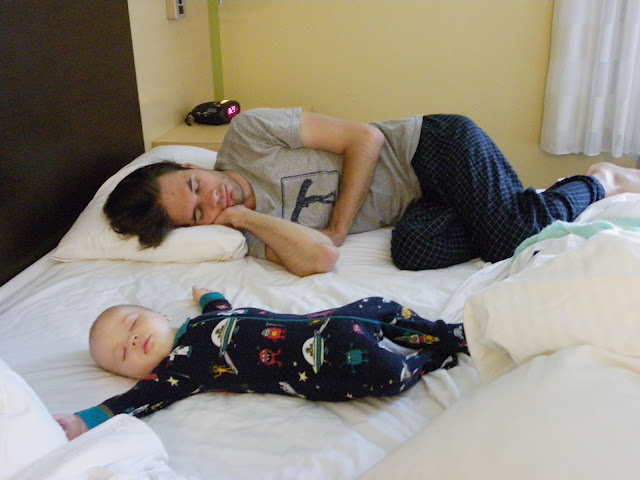
Theo, trying to claim the whole bed for himself