Archive | Uncategorized RSS feed for this section

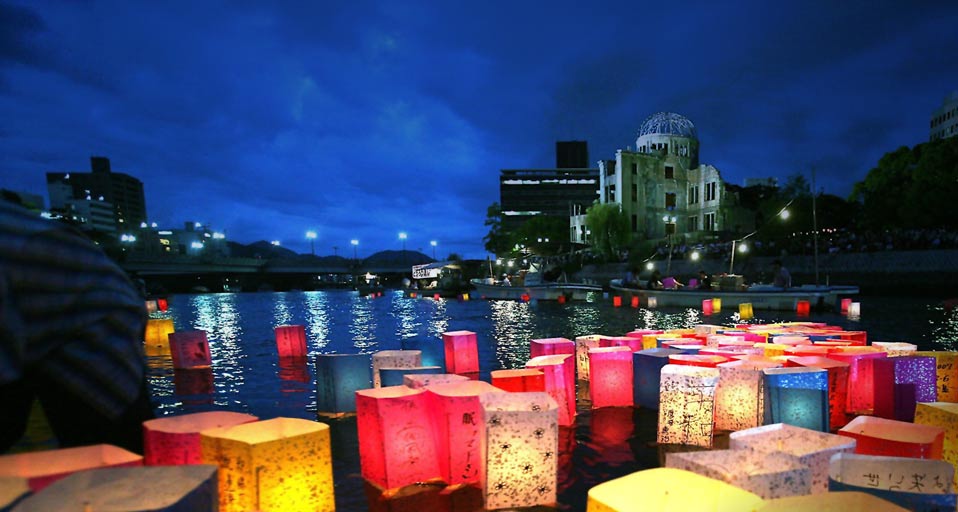
Hiroshima, 1945

6 Aug

It’s my birthday. I’m thirty one years old, and although I’m still not sure whether I feel like a grownup or not, I’m now far enough in to this new decade to be able to say with confidence that I’m in my thirties.

It’s also the 68th anniversary of the bombing of Hiroshima, a fact that gives this day a complicated patina of heartache, remembrance and a funny thankfulness that, in spite if everything, this dear old planet and I have managed to complete yet another whirl around the sun. I’ve always felt a little haunted by the hundreds of thousands of people who died thirty seven years and half a world away from my birth. I’ve always felt a sort of funny debt to them, as if I owe something to them, though I’m not quite sure what. You would think that as the Hiroshima dead fade further and further into the past that their weight would begin to feel lighter, less real, but instead, the reverse is true – the more distant this event becomes, the more the bombing of Hiroshima colours and shapes this day for me.

Where do you even begin to try to figure out what happened in Hiroshima? You could start by bring the camera in as close as possible, fiddling with the settings and watch as shapes dissolve into other, smaller shapes, the image adjusting and readjusting until finally the atoms themselves are in focus.

The physics of nuclear fission sound more like poetry than science – a single neutron is fired at an atom, in this case an atom of uranium-235, and splits the nucleus apart. Out of each split nucleus will fly several more neutrons, which will smash into other atoms, which will, in turn, split and release their own neutrons. The fracturing of each and every atom releases another tiny bit of heat and radiation; when a chain reaction like this occurs in the millions of atoms that make up a pound of uranium-235, the resulting explosion is enough to lay waste to entire cities.

All of this can be much more simply and elegantly expressed in one neat equation:

fg0-7645-5430-1_0101

Now pull the camera back, watch the atoms coalesce into more recognizable shapes, objects and buildings and people, until your view is that of the Japanese sky a few hours after sunrise.

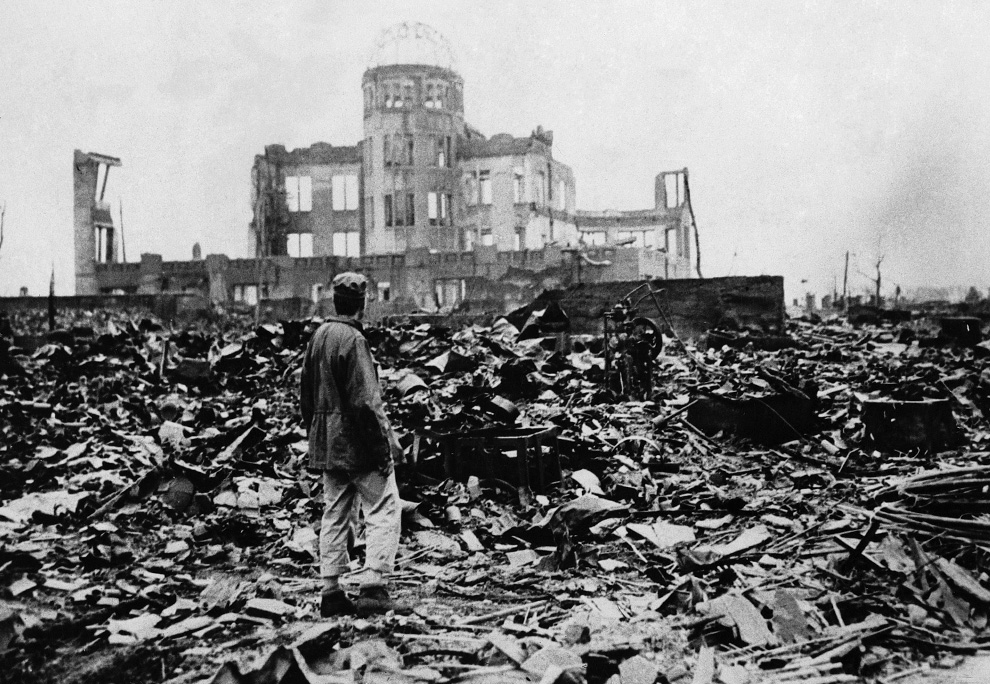
At 8:15 am on August 6th, 1945, the Enola Gay flew over Hiroshima, releasing Little Boy, a gun-type fission bomb. Little Boy missed its intended target of the Aioi Bridge, and instead detonated directly over the Shima Hospital. The hospital was destroyed, the staff and patients reduced to a pile of bleached bones by the heat of the blast. The centre of the city was destroyed, an estimated five square miles turned to scorched rubble. 80,000 people died that day, and another 80,000 more died over the course of the next few months either from the effect of burns, radiation sickness or other injuries.
h29_19773763

One hundred and sixty thousand people.

Because of one bomb.

I’m not sure how old I was when my parents told me that the anniversary of my birth is also the anniversary of this annihilating atomic flash that was responsible for so many deaths; it feels like something that’s always been a part of my personal mythology. I remember poring over the entry for Hiroshima in our battered green family encyclopedia, nauseated by the descriptions of peeling flesh and charred bones but somehow unable to stop reading. I checked books out of the library about atomic bombs, books from the adult section with mostly incomprehensible text and lurid, technicolor photographs of fiery mushroom clouds. Someone gave me a book when I was seven or eight called Sadako and the Thousand Paper Cranes, about a little girl whose blood cells, irradiated and mutated by the bomb, developed a form of leukemia.  Remembering an old Japanese legend that said that the gods would grant any wish to a person who managed to fold a thousand cranes, Sadako began frantically making cranes out of every scrap of paper she could find. She died in October of 1955, after folding only 644 cranes.

After that, I learned how to make paper cranes.

It seemed like the right thing to do.

Because I felt like I had to do something; I felt like I had some kind of responsibility to the history of this day that gave me my first breath, my first sunrise, my first wailing cry. I still feel that way. And though I’ve all but given up on origami, I try to find other ways to honour the dead.

So I spend an hour or so every birthday looking at pictures from Hiroshima – the survivors with their twisted limbs and thick, ropy scars, the cityscape smashed flat and littered with debris, the shadows burned into walls and sidewalks, marking the places where people stood looking up at the sky during their last moments on earth.

I look at these pictures and take the time to consider that these are the things that we do to each other. These are, in fact, the cold, calculated atrocities that humans perpetrate against other humans. These people are the people who died because of us, because of the endless machinations of our stupidly cunning species. The wards full of children lying helpless as the atomic leukemia slowly, agonizingly leaches the life from their bodies? That was us. The old man bloated and swollen from radiation sickness, the raw skin peeling off his face and hands? That was us. The people vaporized in an instant who left nothing behind, not one single thing to be treasured by those who loved them? Still us. The groaning, bleeding, charred mass of people who lingered on for months and months, each day a living hell? Us.

As if being alive isn’t difficult enough, as if there aren’t enough tricks and traps ready to ensnare our brittle bodies, we have to go and do these things to each other.

I want to remember how easy it is for us to live side by side with these atrocities. I want to recognize that when I go to sleep in my clean, comfortable bed in my safe, comfortable city, somewhere out there are people whose lives are little more than grinding daily pain. I want to know the names of all the Iraqis who have died, all the children in Afghanistan who have become collateral damage in this war, all of the people everywhere out their whose agony is directly attributable to other humans. I need to know and remember these things, because the not knowing and not remembering are so much more dangerous.

I’ll leave you with a poem written by Sadako Kurihara, a survivor of the Hiroshima blast. I’ll leave with the thought, the question, really, of how each of us can be midwives in our own lives. I’ll leave you to, hopefully, take a few moments of your own to remember.

LET US BE MIDWIVES!

Night in the basement of a concrete structure now in ruins.

Victims of the atomic bomb jammed the room;

it was dark – not even a single candle.

The smell of fresh blood, the stench of death,

the closeness of sweaty people, the moans.

From out of all that, lo and behold, a voice:

“The baby’s coming!”

In that hellish basement,

at that very moment, a young woman had gone into labor.

In the dark, without a single match, what to do?

People forgot their own pains, worried about her.

And then: “I’m a midwife. I’ll help with the birth.”

The speaker, seriouly injured herself, had been moaning only moments before.

And so new life was born in the dark of that pit of hell.

And so the midwife died before dawn, still bathed in blood.

Let us be midwives!

Let us be midwives!

Even if we lay down our own lives to do so.
Hiroshima_EN-US222928636

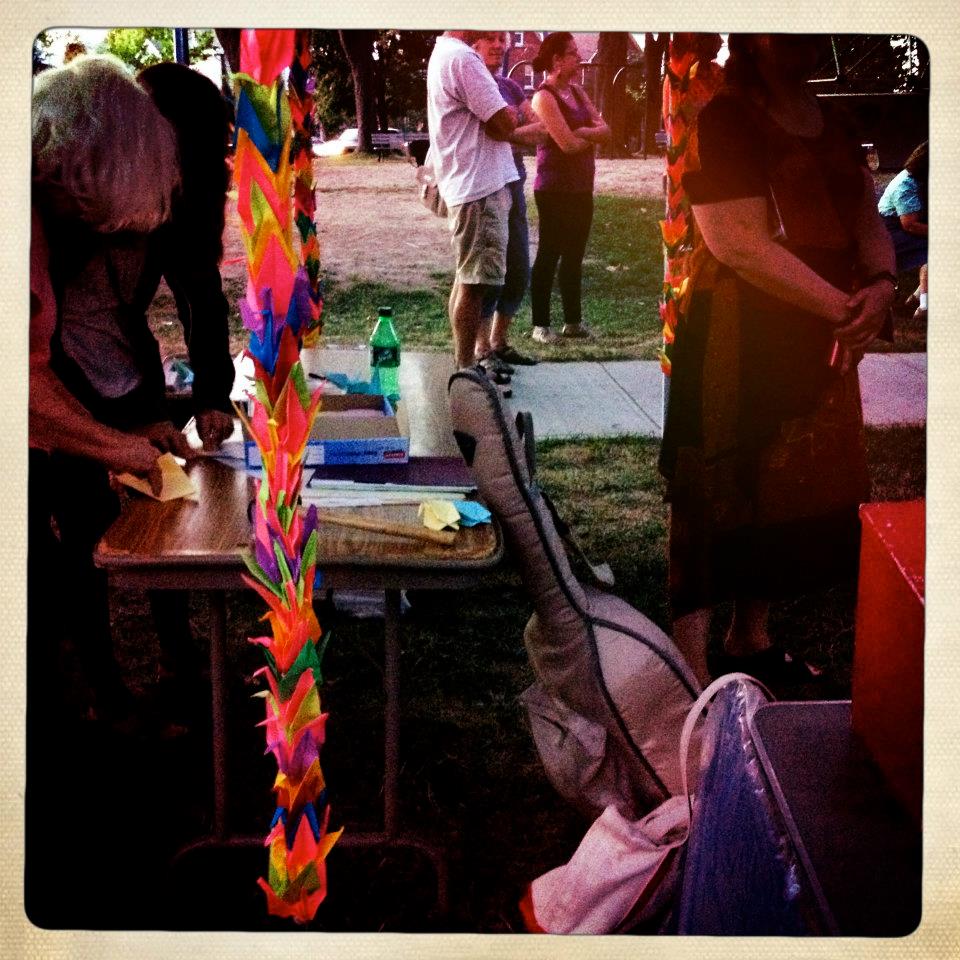
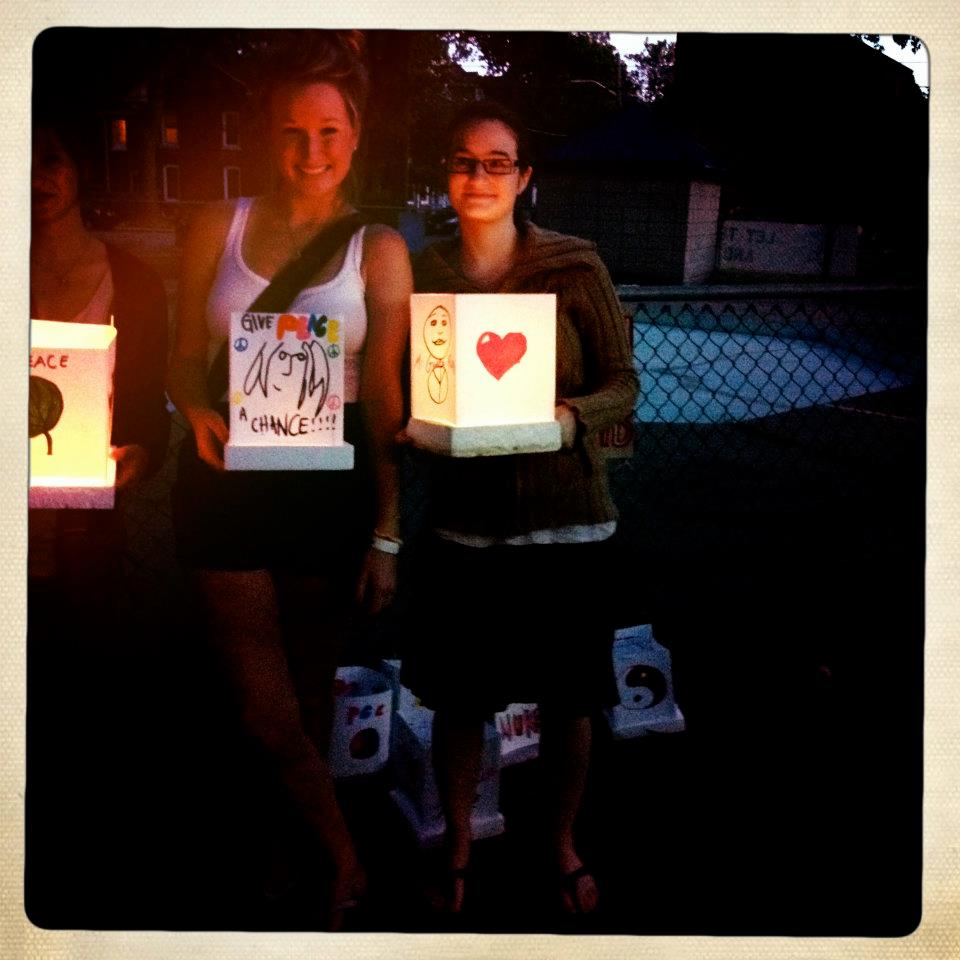
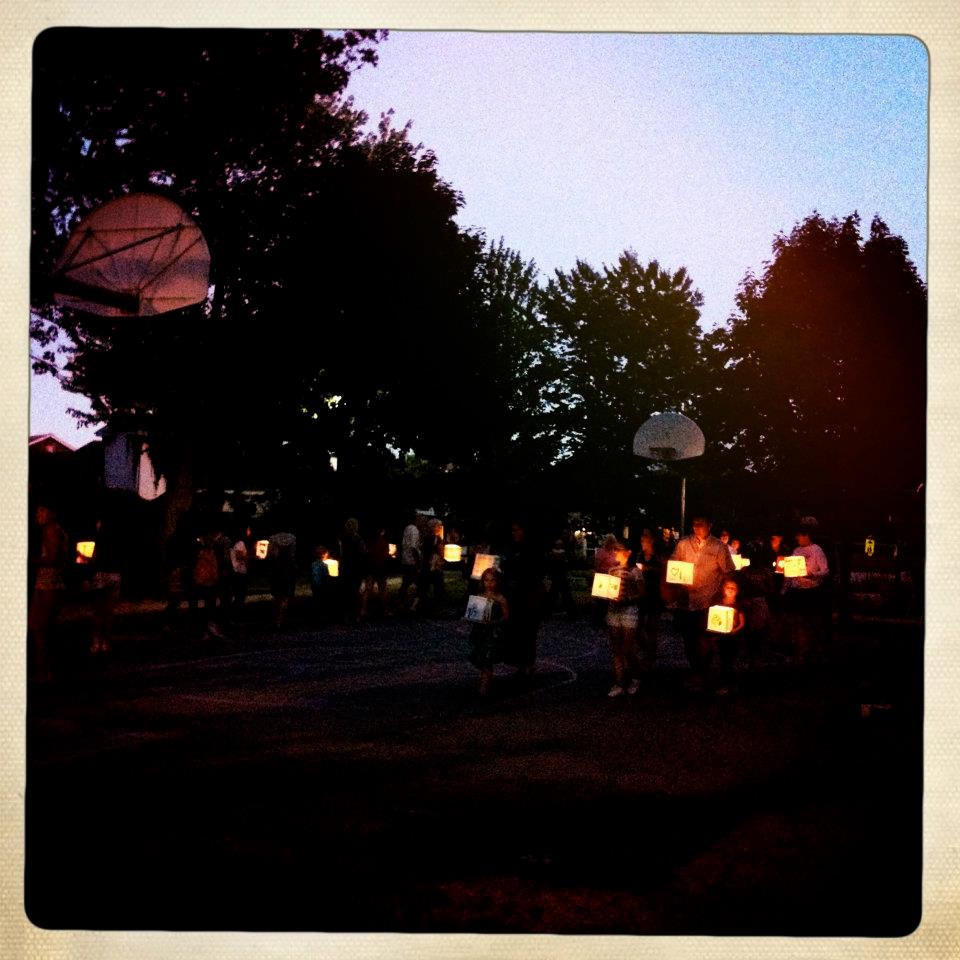
My birthday last year, making lanterns and paper cranes with my sisters at the Rally for Peace:

319338_10151997755765215_1348262087_n

391400_10151997756040215_540346671_n

553617_10151997756590215_779454774_n

255326_10151997757375215_640667797_n

582033_10151997758010215_474322058_n406284_10151997759315215_1447543852_n562689_10151997760595215_1915485023_n

21 Quotes from Sylvia Plath

31 Jul

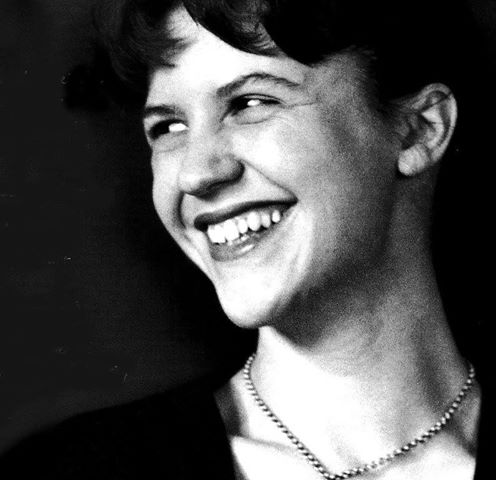
1. “Can you understand? Someone, somewhere, can you understand me a little, love me a little? For all my despair, for all my ideals, for all that – I love life. But it is hard, and I have so much – so very much to learn.”

The Unabridged Journals of Sylvia Plath

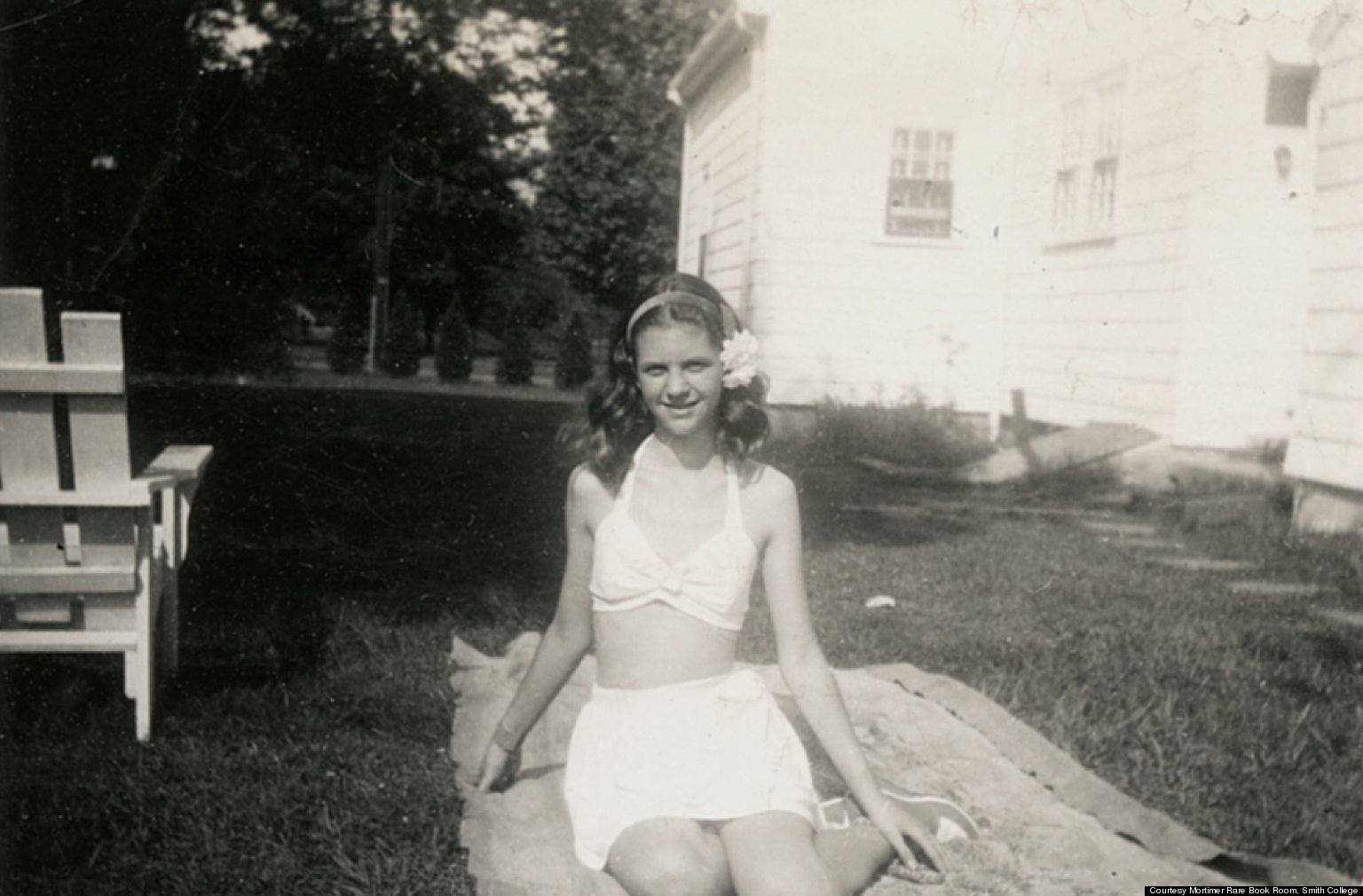
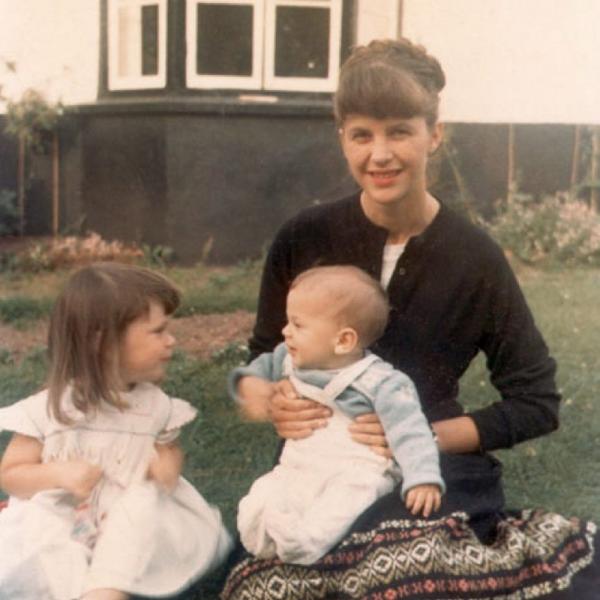
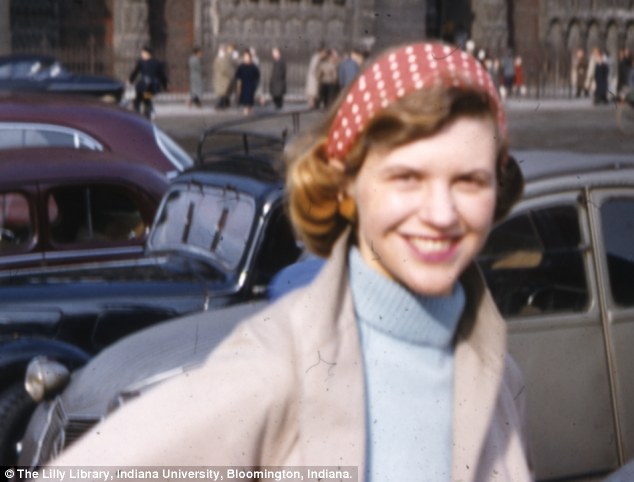
Young Sylvia Plath

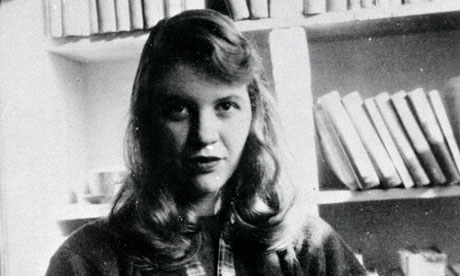
Young Sylvia Plath

2. “God, but life is loneliness, despite all the opiates, despite the shrill tinsel gaiety of ‘parties’ with no purpose, despite the false grinning faces we all wear. And when at last you find someone to whom you feel you can pour out your soul, you stop in shock at the words you utter – they are so rusty, so ugly, so meaningless and feeble from being kept in the small cramped dark inside you so long. Yes, there is joy, fulfillment and companionship – but the loneliness of the soul in its appalling self-consciousness is horrible and overpowering.”

The Unabridged Journals of Sylvia Plath

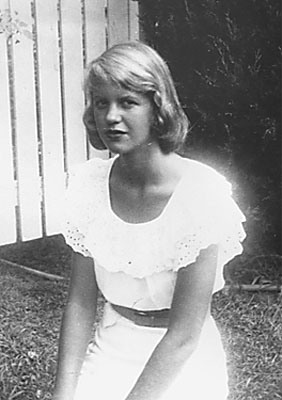
Sylvia+Plath

3. “If neurotic is wanting two mutually exclusive things at one and the same time, then I’m neurotic as hell. I’ll be flying back and forth between one mutually exclusive thing and another for the rest of my days.”

The Bell Jar

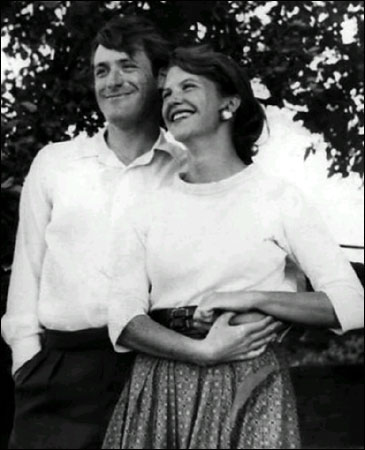
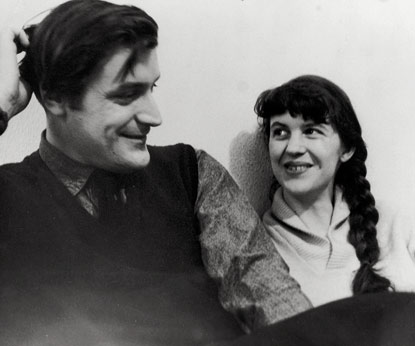
With Ted Hughes

With Ted Hughes

4. “Remember, remember, this is now, and now, and now. Live it, feel it, cling to it. I want to become acutely aware of all I’ve taken for granted.”

The Unabridged Journals of Sylvia Plath

944273_399121096866572_72379005_n

5. “The silence depressed me. It wasn’t the silence of silence. It was my own silence. I knew perfectly well the cars were making a noise, and the people in them and behind the lit windows of the buildings were making a noise, and the river was making a noise, but I couldn’t hear a thing. The city hung in my window, flat as a poster, glittering and blinking, but it might just as well not have been there at all, for the good it did me.”

The Bell Jar

Syvia Plath

6. “Perhaps when we find ourselves wanting everything, it is because we are dangerously near to wanting nothing.”

Draft of letter to Richard Sassoon

plath

7. “If you expect nothing from somebody you are never disappointed.”

The Bell Jar

plath 1

8. “With me, the present is forever, and forever is always shifting, flowing, melting. This second is life. And when it is gone it is dead. But you can’t start over with each new second. You have to judge by what is dead. It’s like quicksand… hopeless from the start.”

The Unabridged Journals of Sylvia Plath

tumblr_ljder1asa31qedsf0o1_400

9. “I like people too much or not at all. I’ve got to go down deep, to fall into people, to really know them.”

The Unabridged Journals of Sylvia Plath

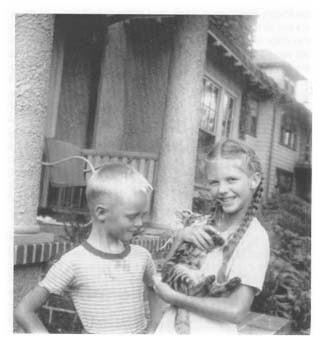
As a child, with her brother Warren

As a child, with her brother Warren

10. “I thought it sounded just like the sort of drug a man would invent. Here was a woman in terrible pain, obviously feeling every bit of it or she wouldn’t groan like that, and she would go straight home and start another baby, because the drug would make her forget how bad the pain had been, when all the time, in some secret part of her, that long, blind, doorless and windowless corridor of pain was waiting to open up and shut her in again.”

The Bell Jar

sylvia1

11. “We should meet in another life, we should meet in air,
Me and you.”

Lesbos

sylvia-plath-010_1360487421_crop_550x330

12. “Yes, my consuming desire is to mingle with road crews, sailors and soldiers, barroom regulars—to be a part of a scene, anonymous, listening, recording—all this is spoiled by the fact that I am a girl, a female always supposedly in danger of assault and battery. My consuming interest in men and their lives is often misconstrued as a desire to seduce them, or as an invitation to intimacy. Yes, God, I want to talk to everybody as deeply as I can. I want to be able to sleep in an open field, to travel west, to walk freely at night.”

The Unabridged Journals of Sylvia Plath

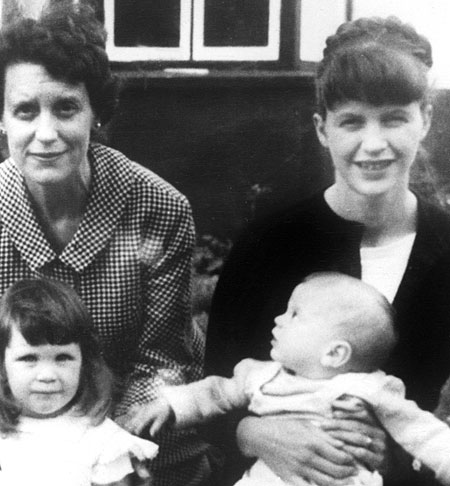
Sylvia with her mother, Aurelia, and her children, Frieda and Nicholas

Sylvia with her mother, Aurelia, and her children, Frieda and Nicholas

13. ” I am terrified by this dark thing
That sleeps in me;
All day I feel its soft, feathery turnings, its malignity.”

Elm

sp013

14. “I felt very still and empty, the way the eye of a tornado must feel, moving dully along in the middle of the surrounding hullabaloo.”

The Bell Jar

sylvia_plath

15. “I write only because
There is a voice within me
That will not be still.”

Letters Home: Correspondence, 1950 – 1963

plath--3

16. “If they substituted the word ‘Lust’ for ‘Love’ in the popular songs it would come nearer the truth.”

The Unabridged Journals of Sylvia Plath

222379632_a53b9f0135_o

17. “There must be quite a few things a hot bath won’t cure, but I don’t know many of them.”

The Bell Jar

With Frieda and Nicholas

With Frieda and Nicholas

18. “To annihilate the world by annihilation of oneself is the deluded height of desperate egoism. The simple way out of all the little brick dead ends we scratch our nails against.”

The Unabridged Journals of Sylvia Plath

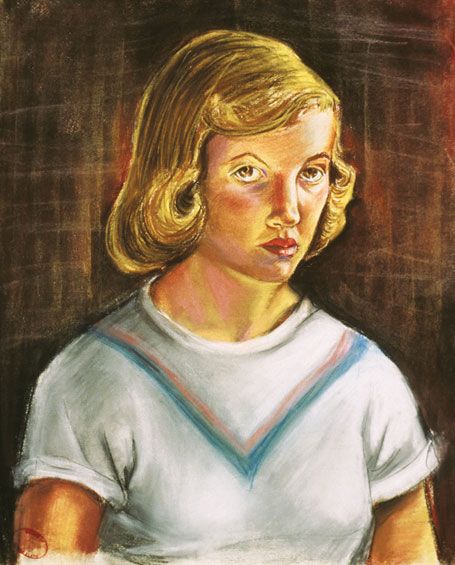
Self- portrait

Self- portrait

19. “What horrifies me most is the idea of being useless: well-educated, brilliantly promising, and fading out into an indifferent middle age.”

The Unabridged Journals of Sylvia Plath

plath4

20. “I took a deep breath and listened to the old brag of my heart: I am, I am, I am.”

The Bell Jar

Plath_CrystalBallbw_NEW


21. “But everybody has exactly the same smiling frightened face, with the look that says: ‘I’m important. If you only get to know me you will see how important I am. Look into my eyes. Kiss me, and you will see how important I am.’”

article-2265000-1708DC73000005DC-341_634x482

Not That Girl

30 Jul

No, no, please don’t apologize. It was a good joke. Really funny.

Liquid panty remover. Hah. That’s great. I’ve never heard that one before! Oh man, that’s hilarious.

Don’t worry about telling jokes like that to me – I love those kinds of jokes. I’m not really the type to get offended, you know?

I mean, I’m not that kind of girl.

Like, I think that some people are just looking for things to get worked up over. Don’t get me wrong, I don’t think that, like, rape jokes are funny or anything. Not that I think your joke was a rape joke, because your joke was definitely funny, but, you know, rape-rape jokes for sure aren’t cool. On the other hand, people need to chill out. Like, there are so many things that are so much more degrading to women – I mean, look at the way that women are treated in the Middle East! If you’re gonna be outraged about something, you should be outraged about that, not a stupid joke.

I mean, do you really think that anyone hears a Daniel Tosh joke and goes out and rapes someone? No. That’s just not how it works.

I just don’t get why some people have to suck the joy out of everything. Like, I’m sorry if you don’t like that Robin Thicke song, but that’s you. I’m not going to apologize for listening to a fun pop song just because someone else doesn’t like the lyrics. I don’t see what’s wrong with the lyrics, anyway – people read way too much into everything.

Don’t get me wrong, I think that feminism is great and everything. I took women’s studies in college and I’m thankful for, like, Gloria Steinem or whatever, but isn’t it time we got past all that? I mean, all that negativity and bitterness and victimology – how are those things doing women any good? They’re not. Like, we have to live in the world with men, and that’s something you just can’t get away from. I think it’s better if we all just learn to get along, you know? That’s why I don’t call myself a feminist; that word is just so divisive. I don’t really like labels, but if I had to pick something I would say that I’m really more of a humanist. Because we’re all part of the human race, and we need to start acting like it.

I guess I just don’t feel like feminism does anything for me. Like, I feel way more empowered as a woman without it. I would rather think about how strong I am and all the things I can accomplish instead of blaming men or whatever for holding me back. Women are never going to get ahead if they’re stuck hating half their own species, you know?

And, I mean, I have friends that are feminist. I get where they’re coming from. I just think that some of these radical feminists go too far.

Like, I have friends who were raped. I used to volunteer in a rape crisis centre. I really do believe that rape culture is a thing. But I don’t think you can just wear whatever you want and drink a lot and flirt with guys and not see that as taking a risk. Of course no one deserves to be raped, but, well, rapists are out there and you have to protect yourself. Like even if you’re a good driver, you still wear a seatbelt, right? That’s just common sense. Because even if you drive safely, you can’t guarantee that everyone else will. You have to take precautions – we live in a dangerous world.

Oh.

I mean, I guess.

Yeah, that makes sense. Maybe rape culture is the wrong way to put it.

You’re right, I can see how that was a logical fallacy. Thanks for pointing that out.

No, seriously, thanks. I mean it. I’m not touchy like some girls – I don’t mind if anyone, guy or girl, lets me know when I’m wrong. How else am I going to learn, right?

Yeah, I totally get why you might have thought that I was being sarcastic. Lots of girls would probably get pretty worked up over being called out like that. I mean, Jesus, girls are crazy. I’m not embarrassed to say that, because it’s true. Especially during that time of the month. God, if you think it’s bad being a guy and having to deal with us, try being a girl surrounded by other girls. I mean, I love my girlfriends, but sometimes I just can’t deal with the crazy anymore.

Like, girls are so fucking catty. We’re just really fucking mean to each other. We tear each other down way more often than men do. Maybe feminists should start fixing how women treat each other before they worry about how men see us. I mean, charity begins at home, right?

No, yeah, you’re right. Charity was the wrong word. God I’m so stupid tonight.

Thanks for being so patient with me.

I guess I just meant that we need to fix our own problems first. I really think that that’s what feminists or whoever should be devoting their energy to. But they won’t, because they don’t want to admit that maybe not all of our problems are because of men.

I mean, I love men. Like, this, right now? Sitting with you? This is really great. We should get another drink, I’m really having a lot of fun just sitting here talking with you. Just one of the guys, right?

Yeah, sure, you can order for me. Go ahead and pick whatever, I can handle it.

No, whiskey is great! I love whiskey. On the rocks. Isn’t that what they say? On the rocks?

Aren’t they always drinking whiskey on Mad Men? God, I love that show. I wish I could live back then, you know? I mean, other than the racism or whatever, it looks like it was pretty great.

I just – I don’t get girls who think that things are so much better these days. Like, I guess it’s good to have options, but sometimes I think we have too many options now. I think it would be so much easier just to have to look good and marry someone nice. Imagine how great it would be to be a housewife! And always have men opening doors for you and being polite to you. And oh god the clothes – I could wear the shit out of those clothes.

I mean, I get that it was bad back in the early 1900s when women couldn’t vote or own property, but, like, after that things were pretty good for women. Sometimes I think that women in the 1960s or whatever didn’t know how good they had it.

I don’t think women will ever know how good they have it. Like, I think we’re just hardwired to be dissatisfied. We all just want to have our cake and eat it too. It’s crazy. I mean, you never hear men talking about how they want to “have it all”, you know?

Sorry, you’re right, air quotes are really corny. I have to remember to stop doing that.

No, yeah, you’ve got a good point. This is a pretty heavy topic for a Friday night. We should talk about something else. Tell me another joke!

That first joke was really funny, tell me another one like that.

Make it as offensive as you want, it won’t bother me.

Because I’m not like that. I’m not that kind of girl.

Don’t you think I’m a different kind of girl?

1930sdallasymcagirlsbasketball

Stigma

26 Jul

When BlogHer asked me to speak at their annual conference on a panel called Mental Health in the Online Space, I wasn’t entirely sure what to expect. For one thing, I’ve never spoken at a conference before, and for another, I’m hardly a professional when it comes to talking about mental health. I mean, sure, I have lots of thoughts and opinions and feelings about it, and I feel pretty comfortable writing about my own experiences, but I’m by no means an expert. In fact, when I first received the invitation to speak I was sure that BlogHer had sent it to me by mistake.  But it turned out not to be a mistake, which is how I found myself sitting in a fancy conference room in a fancy hotel in fancy ol’ Chicago talking about whacky brain things.

The whole thing went pretty smoothly; a lot of it felt like we were preaching to the choir, to be honest. Our audience was mostly made up of people who had either had their own mental health struggles or else had experience with mental illness through their friends and family. Most of what we said was met with sympathetic nods or else comments from audience members who wanted to share similar issues that they’d experienced. About halfway through the session, though, just as I was starting to settle in and feel like I was getting the hang of things, one question caught me by surprise.

One of the panelists had mentioned that she hadn’t told her employer why, exactly, she was speaking at BlogHer, because she hadn’t wanted to divulge her mental health history. This is a pretty common dilemma faced by most people who live with mental illnesses, so I didn’t think anything of it until a hand shot up in the audience.

“I don’t have a mental illness, so I’m sorry if this is offensive,” said the woman, “but you’ve all talked a lot about stigma and, well, if you don’t tell your employer that you’re mentally ill, aren’t you contributing to that stigma?”

At that moment, we all looked at each other, and I could tell that all of us were thinking the same thing:

Ohhhhhh, she doesn’t know.

She doesn’t know that when you tell someone that you’re mentally ill, they look at you differently. When you tell your boss that you’ve struggled with your mental health, they start to treat you like something other, something lesser. Instead of your usual assignments or tasks, you might be asked to take on something a little more boring, more mundane. When you want to know why your role has changed, your boss might tell you that they were concerned that your former duties were too stressful for you. When you try to explain that, no, it’s not like that, you might get a look that’s a cross between father-knows-best and we’re-just-looking-out-for-you.

She doesn’t know that even if you do divulge your status as mentally ill, that doesn’t mean that you can talk about it, casually, as if it’s just another illness. For example, when someone at work asks you how you’re doing, you can never just reply, oh, you know, sad and a little anxious. If you have to take the day off because you woke up to a panic attack and you feel as if the grim, grey sky might crush you if you move from your bed, you can’t tell your employer the real reason why you won’t be at work; instead, you have to fake a convincing cough or else invent disgusting details about a fictional stomach flu.

She doesn’t know that when people talk about mental health in their workplaces, they run the risk of getting fired. Oh, not fired specifically because of mental illness, because that’s illegal, but fired for one of any number of trumped up reasons that their employer might come up with. She doesn’t know that someone can be fired for taking too much time off for doctor’s appointments and therapy sessions, even if those things are necessary in order for them to function. She doesn’t know that someone can be fired while they’re on a leave of absence due to anxiety or depression just because they’ve posted pictures of themselves smiling on Facebook.

I wish I was making that last one up, but I’m not.

Most of all, what this audience member doesn’t know about is the stigma; stigma felt by everyone, your friends, your family, your doctor, and even you, yourself, the mental health advocate. She doesn’t know what it’s like to have to learn as much about your illness as you can because your doctor’s understanding of it is, at best, incomplete. She doesn’t know what it’s like to go to see a psychiatrist, one of the best in his field, and, after you’ve explained your history to him, none of which has been in any way violent, harmful, or neglectful towards others, have him ask if Children’s Aid has ever been involved with your family. She doesn’t understand that those of us who struggle with mental health issues grew up in the same world as everyone else, and we absorbed all the same toxic messages about mental illness that everyone else did. She doesn’t know about how we internalize that stigma, how we have to fight against our own shame, guilt, fear and doubt in order to love ourselves or even just take ourselves seriously.

She doesn’t know about how some of us hate ourselves for these things that are not our fault, and then feel like hypocrites for hating the very things that we’re trying to educate others about.

And that’s the key, isn’t it? Education, I mean. That’s the way to end the stigma and shame and fear. I know that, other mental health advocates know that, and even that woman in the audience knows that – which is why she was asking about how my co-panelist could hide her mental health issues from her employer rather than taking the time to educate them. The fact is that education about mental illness is incredibly important. But (and this is a big but) you can’t put all of the responsibility for educating others solely on the shoulders of mental health advocates. For one thing, it can be exhausting and emotionally draining to try to explain over and over again the particulars of brain chemistry and trauma and he ways that those things can shape your life. For another, being one hundred percent open about your mental health all of the time can, as mentioned above, have real-life consequences. And yeah, in a perfect world you could be like, fuck this job if they’re going to look down on me for an actual, bonafide illness, but we don’t live in a perfect world, and sometimes you have to take what you can get just so that you can pay the bills.

Education about mental illness needs to start earlier for everyone, and it needs to come from the top down. It should be included in grade school health classes, in curriculums designed, in part, by mental health advocates. Education needs to come from doctors, who need to be properly educated themselves about all the ins and outs of the sad, lonely world so many of us find ourselves in. Education needs to be everywhere and be accessible to everyone in the community, because that’s honestly the only way we’re ever going to get to a place where someone can casually say at a dinner party, oh man, I had a manic episode yesterday and coming down sucked but I feel way better now, without everyone else giving them the side eye.

Because I don’t know about you, but I’d be pretty down with living in that world.

tumblr_m1e5nksACb1qeh05po1_500

Trayvon Martin, The East, and the Consequences of Privilege

16 Jul

I remember being a kid and wondering why the fuck all of the grownups I knew seemed so incredibly laissez-faire about everything that was wrong with the world.

I mean, here I was being told that I should treat other people with respect, that I should be kind to and tolerant of those who were different from me, that I should recycle and compost and pick up litter and do all kinds of stuff that was supposed to help turn me into a model citizen. And I did do all of those things, both because I was told they were important and because I wanted to; my understanding was that these things needed to be done if we were going to live in a decent world.

I remember thinking, though, that none of the adults around me seemed to be holding up their end of the bargain. Like, I was doing what little I could, but they should have been doing so much more: shutting down environmentally dangerous power plants or stopping cities from dumping raw sewage into the river or flying around the world ending wars or whatever. Instead, I would catch them tossing recyclable items into garbage cans, and when I called them out they would just shrug sheepishly.

And I was like, fuck grownups. It was pretty obvious to me that our world was such a fucking mess because all of the people in charge were both grossly incompetent and frighteningly uncaring. My only consolation was that some day I was going to be bigger and older, and then I would finally be able right all these wrongs.

Of course, every kid’s a zealot, and they don’t understand things like grey areas or compromise or picking your battles. Everything is done full-throttle, every issue is black and white, and every battle is there to be fought and won. If you’re in it, then you’d better be in it to win it, at any cost. And there’s really nothing wrong with living this way when you’re seven – in fact, these are very normal and natural tendencies to have. Unfortunately, this take-no-prisoners philosophy becomes a bit problematic once you have to earn your own living and raise your own kids.

All of which is to say that I’m not the grownup I thought I would be.

I have an easy life. It’s so easy that I mostly don’t even have to think about how easy it is. My life, society and culture are set up in such a way that I am able to benefit from certain things like race and class without ever really having to acknowledge that those realities exist. And, I mean, that’s real privilege, isn’t it? If you can forget that you even have privilege, or if you can easily ignore the various ways that it improves your life – well, that’s basically the definition of privilege.

Two things happened on Saturday night. First, I saw The Eastwhich is a smart, thoughtful movie about a woman who infiltrates an eco-terrorism group in an attempt to bring them down. Then, I got home and found out about George Zimmerman’s acquittal.

I should probably also add a third item to that list, namely the fact that after learning about Zimmerman’s verdict, I spent an hour on social media watching white people either denying that race had anything to do with the outcome of the trial or else trying to somehow make this whole thing about them.

The idea that we live easy lives built on conveniences that are deeply detrimental to others was a theme that came up over and over in The East. We burn coal for power, and the leftover waste poisons our rivers and lakes. We drive cars powered by fossil fuels and ignore the fact that burning those fuels is causing our planet to heat up at an alarming rate. Unless it directly affects us, we very conveniently ignore the environmentally destructive ways that both coal and oil are extracted from the earth. We buy clothing made in unsafe working conditions because it’s cheap. We cut corners in all sorts of dangerous ways because a few moments of ease is so much nicer than contemplating a lifetime of consequences.

The East is, for the most part, about a group of people who have decided that they’re not going to stand by and watch rich white people profit off of the misery of others. So they start fighting violence with violence, taking and eye for an eye and not really giving a shit if all of us end up blind because, to extend the metaphor a little further, most of us are already halfway to being sightless. Saying that an eye for an eye will make the world blind is to work off the assumption that all of us start out with two eyes, but really, that that’s just not true. Rich white people are born with two functioning eyes; the rest of the population has to figure out how to get ahead with whatever disadvantages they’re given.

On Saturday night I watched the neighbourhood watch captain of a gated community get off scot free for murdering a Black teenager in a hoody. I watched privilege play out both in the official news reports that I read and in people’s reactions on social media. I watched a whole fucking lot of people refuse to admit that the conveniences that make their lives as easy as they are exist as the flip side of the same coin that let Zimmerman walk free. I watched white people ask for comfort and sympathy when faced with hard evidence of a system that they are happy to benefit from until something like this comes along and shows its dark underbelly. I watched white people share pictures of kittens and cute babies, watched them tweet about how they were going to go home and hug their kids, without ever accepting the fact that because of their tacit permission for the way things are some folks wouldn’t ever hold their kids again.

I watched white people make this about them, and then I watched them slowly but surely provide themselves with the tools to forget that this had ever happened.

And I watched Black people wonder if their kid was next.

I live an easy life. I live on the backs of others, because I was lucky enough to be born at the top of a pile that has hurt and killed a whole lot of people. My life is safe, and the real kicker is that most of the choices that I make mean that it will continue to be so. And why shouldn’t I want to be safe? Why should I want an easy life, not just for myself, but for my kid?

Because my safety and ease come at a pretty fucking high cost, that’s why.

This is one of those days when the world seems to be nothing more than a relentless list of one terrible thing after another. It’s hard not to feel overwhelmed – how and where do I even start to fix any of this? It’s too much, and I’m not enough. I want to pick up my magic time-travel phone, call my seven-year-old self and explain that I’m really, really sorry, but I’m not who she wanted us to be. I’ll try to explain all about grey areas and compromise and all that stuff, and maybe she’ll even try to understand, but I think that both of us will know that I could have tried harder.

I should try harder.

I’m just not sure what trying harder would look like.

I mean, how do you fight against problems that are so deeply woven into the fabric of the way you live? How do you fight, for example, against environmentally destructiveness of coal-fired power when every time you turn on the light or plug in your computer or watch your favourite movie, your actions contribute to releasing an extra little bit of noxious gas into the air? How do you fight against huge, often unethical drug companies while at the same acknowledging that they create and manufacture the drugs that have helped keep you and your loved ones alive? How do you fight against something like the mining of the Alberta oil sands, when every time you ride in a gas-powered vehicle you add a little more carbon dioxide to the air? And sure, I don’t own a car, and I take public transit just about everywhere, but isn’t that what we call compromise? I mean, I tell myself that I’m less responsible for ruining the environment than, say, the dude with the fancy SUV, but really, I’m still culpable, you know? I’m still benefitting from mining and burning fossil fuels, and I’m certainly not doing anything to end these practices.

Most of all, how do you fight against all of the insidious, institutionalized racism that you encounter a thousand times every day? You can call out the more obvious stuff, you can take people to task for using racial slurs or referencing racial stereotypes, but what do you do about all the big and little ways that privilege affects your life? What do you do about the fact that you live in a mostly white neighbourhood, a neighbourhood whose whiteness is definitely a large part of why it’s considered to be “safe”? What do you do about the fact that your career caters almost exclusively to privileged white people? How do you handle the dawning realization that the majority of your encounters with people of colour are mostly when interacting with those working service jobs, and could, at best, be described as casually friendly?

My seven-year-old self would almost certainly want me to take the route of the eco-terrorists in The East, complete with living off-the-grid in the burned out shell of a house in the forest. My seven-year-old self would want me to fight fire with fire, taking no prisoners and teaching huge asshole corporations that they can’t knowingly hurt others and get away with it. My seven-year-old self would want to do something equally huge and visible as a protest against Zimmerman’s acquittal. She would want me to fly to Florida, raise a ruckus, start a riot; she would want everyone to know how outraged she was.

And ohhh of course there’s a part of me that sides with my seven-year-old self. I want to do something big; I want to stand up against evil, and, if I’m being totally honest with myself, I want everyone else to see me doing it. There’s a strong desire in me to right the wrongs of the world, of course, but there’s also a dash of ego in there, whispering that I should right those wrongs in a way that makes me out to be a hero.

I mentioned the other day on Facebook that I want to be a brave person who changes the world, but that I wasn’t sure what bravery was or how change happened. In response to this, my friend Jennie said,

Bravery is not a single decision. It’s the overall effect of every brave decision you make: every time you do something because it’s right, or kind, or honest, rather than because it’s convenient or because it’s less hard. So do the needful, kind, honest, things, one thing at a time. Then, when something really hard comes up, you’ll have the practice you need, and you’ll do the needful thing.

So this is how I’m going to start: by practicing bravery in all kinds of little ways, so that when the big things come, I’ll know what to do.

I’m going to initiate more discussions about my own privilege, and the privilege found both in my neighbourhood and in many parts of the Toronto yoga community.

I’m going to think about the ways that my life more closely resembles George Zimmerman’s than it does Trayvon Martin’s.

I’m going to think about more items that could be added to this list.

I’m going to start teaching Theo about racism and privilege in ways that are appropriate for his age.

Most of all, I’m going to try really, really hard to not make this about me. When people of colour raise their voice, I’m going to do my best to make sure that they get a megaphone, and then I’m going to hightail it to the back of the room and listen. I’m going to try harder to promote writing and thoughts and music and art that come from marginalized people. Rather than wearing a hoodie in solidarity or joking about starting riots, I’m going to talk about how I, a white woman, can do these things without fearing for my personal safety. I’m going to keep calling out racism and classism and sexism and ableism and homophobia and transphobia and all that other bad shit, even when I feel uncomfortable doing that.

I’m going to be brave.

civil-rights-march

It’s Just A Piece Of Paper

13 Jul

I’ve been thinking a lot about my education, or lack thereof, lately.

I’m sure that a lot of this is because of my book; I’ve been editing the shit out of it this week, and it feels like it’s sort of taken over my life. Most of the book takes place in 2003, right around the time that I had to drop out of university. That personal failure, combined with a bunch of other stuff, made that autumn one of the lowest points in my life. In fact, leaving school was a huge part of the reason that I ended up being hospitalized for depression that year.

I’d always known that I’d go to university; there was never any question about that. My father was a lawyer, and my mother spent most of my childhood finishing her Bachelor of Arts in night school, graduating when I was sixteen. I can still remember what I wore to her graduation – a long, sort of shiny black skirt with pinky-purple flowers on it, and a pink tank top with spaghetti straps. Fuck, I can even remember what I had on when my father was called to the bar. I was four years old, and my mother insisted I wear this red flowered dress with a huge white, lacy collar. I hated that dress, because that damn collar made me feel like a clown. After the ceremony, my father took me to meet a supreme court judge. Trying to think up something suitably grownup to say, I shyly said to her, “I certainly admire these burgundy carpets.”

So education was always a big part of my life, and I grew up with the understanding that I would earn at the very least an undergraduate degree. And considering the fact that, after earning her BA, my mother took a leave of absence from her job in order to earn her Master’s of Social Work, I don’t think that it’s much of a stretch to say that my parents hoped I would go on to complete a graduate degree or two as well.

Look, before we go any further, let’s get this out of the way now: I’m smart. I know that. I’m not trying to be vain or conceited; I honestly don’t think there’s anything vain about knowing your strong points. And for a long time, “smart” was the only thing I had – I wasn’t pretty, or popular, or especially talented in any of the ways that I wanted to be talented. The funny thing is, back then I would’ve given up being smart in a heartbeat if that meant that I could have been any of the other things on that list, especially the oh-so-desirable “pretty.” But I couldn’t, so I stuck with being the brainy geek.

In my final year of high school, I applied to a bunch of universities, all of them at least a couple of hours away from home. I knew that there was no fucking way that I was sticking around Kitchener; I’d been waiting pretty much my entire life to get out of there. I was thrilled when I got into my top pick, Dalhousie, and I moved to Halifax in August of 2001.

I was a good student. I got As or Bs in all of my classes, even Astronomy which, by the way, was technically a physics class (although, to be fair, it was a physics class geared specifically towards arts students). I’d thought that I wanted to study English, but in first year I fell in love with Latin and that class, along with Ancient History, was my favourite that year. In my second year, I officially declared Classics as my major, and settled in for the four year slog towards a Bachelor of Arts with honours. And you know what? I loved every fucking minute of that slog. I loved my classes, I loved my profs, I loved the other students, I loved the stupid wine and cheese events my department had, I loved all the nerdy Classics jokes, I even loved studying and writing papers. I loved all of it. Most of all, I loved learning.

Unfortunately, sometime during my second year, things started to fall apart for me financially. My government loan suffered at the hands of a bureaucratic fuck up, and I couldn’t get a student line of credit because I had no one to co-sign for me. I ended up somehow doing a full year of classes without paying for them and Dalhousie, needless to say, was pretty pissed. Then, when I tried to figure out how to register for my third year, I discovered something tricky: you can’t register for classes if you owe the school money, but you can’t get a government student loan if you’re not a registered student.

Can anyone say Catch-22?

So, after spending a month enduring a ridiculous circle-jerk involving various student services employees (with a couple of useless assists from the student aid office), I realized that I had to quit. Finishing my degree just wasn’t going to happen. Not then. Probably not ever, if I’m being totally honest with myself.

That moment, when I went from thinking of myself as a student to realizing that I was now one of the working poor, was one of the most shameful in my life. I can’t think of anything else in my life that embarrasses me as much as the fact that I had to leave school. Even now, it makes me fucking heartsick to think about; in fact, when I was talking about it with a friend today, I started crying. Ten fucking years later, and the memory of having to leave my degree unfinished still turns me into a stupid, mascara-smeared mess.

I guess I’d thought that I would’ve been over this whole lack-of-education thing by now, but I’m not. Oh boy, am I ever not. When I meet someone new, I’ll mention that I went to Dal, and that I took Classics, but unless I absolutely have to, I will never, ever admit that I didn’t finish my degree. If, somehow, it does come up, I will always carefully point out that I had to leave for financial reasons, and not because I failed any of my classes. When faced with well-educated people, I have a borderline pathetic need to prove how smart I am, to the point of being obnoxious about it.

The funny thing is, when I tell people that I wasn’t able to finish my degree, they’ll often laugh and say, “Oh, it’s just a piece of paper.” Which is easy to say when you’ve come out the other side with that piece of paper clutched firmly in your hands. But to dismiss it as being just a piece of paper is to ignore the fact that it’s a very, very expensive piece of paper that has the ability to magically gain respect and open doors. I get that saying that is an attempt to put me at ease, to make me feel like the playing field has been levelled, but let’s be honest: the field will never be level. You and your degree will always been on the higher ground, and I will always, always be down here, feeling small and stupid and mean.

We talk a lot in our society about how education is pretty much a cure-all for all kinds of social ills. Poverty, neglect, abuse, poor health and hygiene: you name it, and a bunch of people will tell you that education is the key. But what we don’t talk about is how fucking unattainable post-secondary education is to a huge part of our population. Oh, sure, there are government loans, but they can be hard to get, and they often fall short. Student lines of credit aren’t available to kids who don’t have someone to co-sign, and working full time over the summer just isn’t enough to cover tuition anymore. And all of that doesn’t even touch on the fact that tuition fees are rising at an alarming rate; I don’t even want to think about what they’ll be like by the time my son graduates from high school.

Higher education is a business, and don’t you ever forget it. We may like to have these misty-eyed ideas that we live in an egalitarian country where everyone has an equal opportunity for success, but anyone who honestly believes that is seriously fucking kidding themselves. Universities and colleges want your money, and if you can’t find a way to pay them, well, they’re not interested in educating you. You could be the smartest kid in the world, but if you’re poor – well, I’m not going to say that post-secondary school is impossible, but I will say that you’ve got a way harder road ahead of you than most. What makes all this even more difficult is the fact that most people who’ve earned university degrees don’t seem to be aware of the luck or privilege that helped them along; they truly believe that it was all their own hard work and sacrifice.

Which is really just another way of saying that poor people don’t work as hard or sacrifice enough.

Whenever I talk about my half-finished degree, someone will inevitably tell me that I’ll finish it someday. But the truth is that I probably won’t. What’s the point? Why shovel tens of thousands of dollars into that hole when all that I’ll get out of it is a piece of paper that says that I’m pretty good at translating things into Latin? I mean, sure, I would love to someday earn my BA, but if I’m being honest with myself, I know that there are so many other things that I would need to spend that money on before I wasted it on myself.

My kid, though? My kid is going to earn that piece of paper. We started an education fund for him when he was born, and we’ve asked our family to contribute to it in lieu of presents. My kid is never going to have to quit school because he doesn’t have enough money. My kid is never going to have to sit through two months of classes without a textbook because his loan hasn’t come in and he can’t afford them. My kid will never have to live off of one crappy cafeteria dinner a day because he had to cancel part of his meal plan in order to pay his phone bill. My kid is going to accomplish what I was never able to.

And once he has his degree, I will never, ever refer to it as just a piece of paper.

women graduates_0

Insomniac

2 Jul

You start by carefully arranging everything on the bed: the long skinny pillow on one side, the regular pillow at the top, the pretty handmade blanket folded just so. You place your glasses and phone and kleenex on the night table and turn off the light. You lie down, wriggle yourself into position, and close your eyes.

Stop thinking, you tell your brain. Go to sleep.

But your brain won’t stop. Instead, it offers you bits and pieces of information, things that are useless on their own but suggestive of something deeper, more frightening. Or else it takes one small event from the day and expands it, blows it up like a grainy old photograph, then picks it apart. Or else it gives you just the beginnings of sentences, stuff like:

My kid is. My partner doesn’t. My boss won’t. My friend says. She knows. He wants. I can’t. I can’t. I can’t.

You try to stay very still and think about nothing, but since when does thinking about nothing ever work? And while we’re at it, how does sleep work? How does everyone make the daily transition from conscious and thinking and feeling to, well, unconsciousness?

You squirm around, trying to find that elusive perfect spot on the pillow, the one that’s smooth and cool to the touch. Your legs get tangled up in the blanket, and the sheets feel wrong and scratchy. Frustrated, you strip the sheets and blanket off the bed and throw them into a pile on the floor. But now you’re cold, so you put on a sweatshirt and a pair of socks.

You lie there. You check the clock. You close your eyes. You open them. You check the clock. You count down how many hours are left until you have to get up.

And your brain says, Let’s have a drink.

And your brain says, Let’s read Sylvia Plath’s journals.

And your brain says, Let’s make a list of all of your shortcomings.

But you’re smarter than that, aren’t you? So instead, you do this relaxation exercise that you learned years ago in some theatre class that you took, where you bring some kind of mindful awareness (what does that even mean?) to each of your body parts in turn, starting from your toes all the way to the crown of the head. And as you’re doing this, you remember how, another time, in another theatre class, you learned to do a sort of bastardized version of the Alexander Technique. After class, you went back to your dorm and offered to teach it to the boy you had a crush on, just so you would have an excuse to touch him.

From there, it’s just a hop, skip and a jump to the memory of how you told him that you were in love with him. It was in a friend’s dorm room, where five or six of you were lying piled on a bed, watching South Park. At some point, people decide to go find snacks and drinks and you end up alone with your crush and you suddenly, bravely, think, now or never. And so you tell him, awkwardly, in fits and starts, how you feel about him and then you start to cry because you’re so nervous and you love him so much and anyway how could anyone ever love you back?

Then he takes your hand and, very kindly, tells you what everyone but you already knows – namely that he’s been fucking your best friend for the past three weeks.

That anecdote offers an easy transition into the list of people who you’ve loved but couldn’t, or wouldn’t, love you back. Also included on this list are those who loved you at first but eventually stopped loving you. And then, of course, there are the people who really did love you, but loved you badly, or too much, or not in the way that you needed.

But why didn’t these people love you? They must have had reasons, good reasons, even. What on earth did you do to drive them away? And ohhhh shit here it comes, the list of all your shortcomings. And it’s too late to stop yourself, because you’re already halfway done.

You’re a fucking sneaky bastard, brain. Did you know that?

In the morning, you drag yourself out of bed. The insides of your eyelids feel like cat’s tongues, with all those scratchy little barbs. There’s grit in your mouth, like someone’s tried to bury you in sand. You feel queasy.

You don’t want to eat anything, but you force yourself to, hoping that it’ll give you a boost of energy.

You spend the day downing coffee and you swear to god that if one more person tells you that you should cut caffeine from your diet you’re going to punch them in the face. Caffeine is the only thing that’s currently making your life bearable, and the idea of not drinking it makes you feel like you might want to die.

Everyone has some sort of solution to your sleep problem, but none of them, in your experience, work. Or rather, they work for a few nights, maybe even a few weeks, but then they stop. For all you know they never worked in the first place, and it’s all one big placebo effect. The fact is that you should just stop complaining about how tired you are. You don’t sleep. You’re never going to sleep. End of story.

By the end of the day, you’re so tired you could cry. Sometimes you really do cry, and when your partner asks what’s and you tell him that you’re not sad, you’re just so tired, you feel like a stupid little kid. You spend the evening in a daze on the couch, your brain too fuzzy for activities like reading or conversation. You wish you were dead.

Then ten o’clock comes and it’s like someone’s flipped a switch in your brain. You’re wide awake, wired, even, ready to take on the world. But it’s bedtime, and you have to work in the morning. So you turn off the lights, lie down, and let the whole cycle start all over again.

Man.

Fuck sleep.

628x471

Plus ça change, plus c’est la meme chose

30 Jun

It’s been a crazy week, eh, internet? I mean, between Wendy Davis’ filibuster  and the American supreme court repealing DOMA, it’s been pretty exciting all up in here!

And it’s Pride in Toronto right now!

And tomorrow is Canada Day!

Meanwhile, I’m working all weekend, and have spent the last several days alternating between being screamed at by my toddler and struggling to find the motivation to finish my book, since my deadline is July 15th. I mean, in case you were wondering why I haven’t been posting much and also have maybe noticed how incredibly shitty I’ve become at replying to comments. Sorry guys, I kind of suck right now.

Basically my life write now - trying to finish my book while doing my best not to drown

Basically my life write now – trying to finish my book while doing my best not to drown

I can’t remember if I’ve talked about the book on here or not. Probably not. I’m pretty terrible at self-promotion, which is a problem, I guess, when you’re a young, unknown whippersnapper of a writer. Like, when people ask me what my book’s about, I just sort of mumble incoherently and then change the subject. Mind you, I’ve never actually published a book, so I can’t say this with complete certainty, but I’m pretty sure that that’s not how you get people interested in what you’re writing.

Anyway. This book. It’s going to be an e-book, published through Thought Catalog, and will be sold both on their website and on Amazon. The first draft is mostly done, which is kind of bad news, because that means that editing comes next, and editing my own work mostly makes me want to gouge my eyes out. I’m pretty excited about it, though. It even has a title – My Heart is an Autumn Garage. That’s a Salinger reference, specifically a reference to a line from Franny & Zooey, so right away you know that it’s going to be an awesome book.

So what’s this mystery book about? Welllll, it’s about the time that I was hospitalized for depression back in 2003, and all the crazy hijinks and hilarious misadventures that ensued! That is, if by crazy hijinks and hilarious misadventures I mean “possibly the worst, most frightening thing that has ever happened to me.”

Writing this book has been both a weirdly nostalgic experience and super anxiety-inducing. The former because even though the summer and fall of 2003 were a really fucking terrible time in my life, it was neat cracking open my old journals and reading all the weird little details about my life back then. And yeah, a lot of what I wrote was heartbroken and angry, but there were a few things that made me smile –  for example, a pros and cons list that I wrote of reasons why I should or should not kill myself (spoiler alert: I didn’t, even though there was only one item on the “should not” list). That list, by the way, was made with complete earnestness, and there really shouldn’t be anything funny about it, but somehow it feels pretty damn good to read it ten years after the fact and be able to laugh.

Writing this has also brought up a bunch of anxiety because, to be honest, I actually thought that I’d changed a lot since 2003. Like, I’d somehow become  an entirely different person or something. But, of course, even though my circumstances have altered since then, my actual core self is pretty damn similar. Reading those old journals reminded me that I still have all the same old insecurities and fears as ever, and sure, maybe I’m better at coping with them now, but my coping abilities feel fragile and feeble at best, and it seems like it wouldn’t take much to bring me right back to where I was.

And speaking of being right back where I was, that’s sort of what I’ve been doing while writing this book, isn’t it? I mean, I’ve been working really hard to get into the headspace I was in ten years ago, those good old days when Halifax seemed like a mean, grey trap and suicide felt like the only way out. By and large I’ve been pretty successful at recapturing those feelings (thanks Past Self for all your extremely detail-oriented journal entries – way to look out for Future Self!), and while I do think slipping back into how I felt and thought in those days will make the book much stronger and more immediate, it hasn’t exactly felt great for my present-day self. It’s hard not to read pages and pages of hopelessness, regret, and suicidal ideation without starting to think, hmmmm, maybe she has a point.

So that’s basically where I am these days. There’s been a lot of writing and self-reflection over the past few weeks, and a healthy dose of change, too. These have, in the long run, all been good things, I think, but they’ve also been kind of wearing on me, and I haven’t exactly been the most fun person to be around. I also feel that I never have enough hours in the day, although somehow I always magically have enough time to refresh Facebook obsessively or check my email fifty times, so I dunno. I’d better get my shit together soon, though, because it’s summer and I fucking love summer. First of all, it’s my birthday in a little over a month. Second of all, summer. And if you’re one of those assholes who hates summer and will spend the next two months complaining about how hot it is, well, you know where the door is.

In other news, I will be in Chicago at the end of July speaking at the BlogHer conference on the topic of “Mental Health in the Online Space.” I’ve never been to Chicago, so I am pretty stoked! I know all about how their hospitals work, though, based on my obsessive teenage watching of both ER and Chicago Hope.

Hey, Dr. Carter?

Call me, okay?

Also, my friend Audra started a blog called Enthusiasm Makes the Difference. I asked her if it was going to be a blog about blow jobs, because I feel like that is a scenario where enthusiasm really can mean the difference between a great blow job and just a so-so blow job, but she said that it was only going to be about oral sex sometimes. Anyway, she is a great writer and you should probably check her out!

Oh, and if you want to read some advice that I gave Sheila Heti about change and decision-making, you can check that out here.

In conclusion, I will leave you with my favourite scene from The Royal Tenenbaums, which I have been watching this week in the name of RESEARCH. Because the fact is that only ten days before I was planning on killing myself, Elliott Smith committed suicide by stabbing himself in the chest. And I can’t think of Elliott Smith without remembering the part in the Royal Tenenbaums when Luke Wilson’s character slashes his wrists while Smith’s Needle In The Hay plays on the soundtrack. And oh frig, you guys, this scene gets me every time. There’s just so much feeling, but it’s so quiet and lovely and happy-sad. Oh man.

Is This Rape Culture?

24 Jun

rape_culture_shirt

I’d seen this image pop up a few times on my Facebook feed, but it wasn’t until the super-popular website PostSecret shared it on their page that I really sat up and took notice. Or rather, it wasn’t until someone commented saying that this shirt promoted rape culture, and a friend asked me if I agreed with that statement, that I really gave it much thought beyond the usual oh great, more “hilarious” misogyny.

But you know what? After taking some time to think about it, I realized that I agreed with the PostSecret commenter. This shirt is really pretty gross. This shirt promotes some very problematic ideas about women and how they relate to men. This shirt implies that male violence, both sexual and physical, is the societal norm.

This shirt is rape culture.

Now, I’m not saying that this shirt promotes rape, or is encouraging anyone to go out and commit sexual assault. In fact, at first glance, the shirt’s message is pretty benign, right? I mean, it’s all about a dad protecting his daughter, and even if that idea is badly executed, well, the sentiment behind it is still admirable, isn’t it?

Except that it’s not.

The problem is that the real, underlying sentiment here is that the daughter is a man’s possession, not a person. She’s either her father’s “princess” or her boyfriend’s “conquest.” It’s clear that the daughter’s wants and desires mean nothing to her father – he says that he will dislike anyone that she dates simply because they are dating his daughter. It doesn’t matter whether this boyfriend (since the shirt is operating off the assumption that the daughter is cisgender and heterosexual) is a nice guy, whether he treats the daughter well, or even whether the daughter loves him – the father will still dislike him, based on the simple fact that this teenage boy wants to be physically close to his daughter.

I know what you’re going to say – But he’s not being possessive, he’s just being protective of her! He doesn’t want her to get hurt! That’s a totally natural way to feel!

What do we mean, though, when we talk about the daughter being “hurt” by her boyfriend? Do we mean hurt feelings? That certainly doesn’t seem to be what other people get from this shirt, based on the comments left on PostSecret’s Facebook page:

“He’s just trying to protect his daughter! You must have no idea some of the terrible things that happen to women.”

“It sort of more implies that these people are minors and are under their parent’s care. And being that teenage boys tend to be these creepy-ass horndogs, this is a father’s reaction to that.”

“If you dislike this shirt, you are obviously not a father.”

“I have 2 daughters [and] I agree with Sabria.. as parents we are the first line of defense. Unfortunately we may teach our daughters how to defend themselves, my eldest does, and we may teach them that they are not objects but people, but the problem still exsists where not everyone cares enough about their kids to teach them the right way. So yes jokes like these are stupid but true at the same time. I told my daughter, after finding out a girl in her class was molested, that i would happily kill someone to protect her and her siblings. I am her first line of defense so yes if you hurt my child i will hurt you back with twice as much force. The sentiment in the joke is to protect your child, not to try and objectify them.”

“My dad has never viewed me as his property, but he says stuff like this all the time when my mom prompts him by bringing up the length of my skirt or likewise. I can see how people would take this as implying ownership, but it simply does not. It’s just a dad saying, she’s my baby girl and I will protect her no matter what.”

So it’s pretty obvious that what we’re talking about here isn’t emotional damage, but rather sexual violence. Which brings us to point number ten on the shirt – “Whatever you do to her, I will do to you.” In the light of the comments above and the way that most people seem to interpret this shirt, it’s pretty clear that item ten on this list is a rape joke. The father will rape the boyfriend if he sleeps with the daughter. And that’s where the fact that this shirt is participating in and furthering rape culture becomes especially apparent.

Rape culture is the normalization and trivialization of rape and sexual assault. It’s a culture in which sexual violence is made to be both invisible and inevitable. It’s a culture that teaches us that male sexual violence is both normal and desirable. It also teaches us that men are not able to control their actions when they are aroused.

And that’s what this shirt is really saying, isn’t it? That a teenage boy will, given the chance, commit some kind of sexual violence against his girlfriend, and that the only solution to that violence is more violence, this time on the part of the father. This shirt assumes that the rape (or attempted rape) of the daughter is inevitable, and the only solution is to remove the boyfriend from the scene. This shirt says that the blame (sidebar – why the need for blame?) for any sex had by the teenage couple will be put squarely on the shoulders of the male partner. Why? Because our culture teaches us that men want sex more than women, that they can’t help being physically aggressive when it comes to sex, and finally that all of these toxic messages are just sexual norms and there’s nothing that we can do to combat them beyond matching violence with violence.

Look, I’m sure that the person who created this shirt had some very good, humorous intentions. I’m sure that they didn’t think about the possibility of people interpreting their message as contributing to rape culture. And I’m especially sure that PostSecret shared this on their Facebook page in good faith, figuring that it was something that their readership would enjoy and hopefully get a laugh out of. But the fact that this shirt and its message are so seemingly innocent is really what makes them so dangerous – because that’s how these messages make their way most easily into our cultural consciousness, not through overtly offensive or misogynist material, but through the stuff that seems harmless at face value. If someone shares a terrible rape joke on Facebook, it’s easy to explain why that’s wrong, but something like this requires a somewhat more complex, carefully calibrated approach.

I guess that what I want people to get out of this post is that it’s important to listen when someone says that something is wrong, or offensive, or contributes to rape culture. You don’t ultimately have to agree with them, but it would mean a lot if you could reign in your knee-jerk reaction of it’s just a joke or stop being such a humourless bitch or some people just want to be offended by everything and actually took a moment to try to see what that other person is trying to get at. You might discover that they actually have a point, or you might learn to look at stuff like this from a new angle, but even if you don’t, at least that person will feel as if they’ve been heard. And if they feel that way, then they’re more likely to listen to you, and that’s how dialogue works. And out of dialogue comes change.

And change is good.

Disney’s Rape Problem

19 Jun

Disney.

Now there’s a word that’s bound to conjure up some kind of feeling in pretty much everyone in the western world. And, I mean, love ’em or hate ’em (and there are tons of people in both camps), you can’t ignore the fact that, as a brand, they’ve had an enormous cultural impact.

My own relationship with Disney is pretty ambivalent. I grew up watching the movies, and I would be lying if I said that there aren’t a few of them that I can still quote, verbatim, to this day – especially Disney’s Robin Hood. Man, I watched the shit out of that movie, and I still love it, even now. I like to joke that it was my introduction to the social justice movement; it was the first time that I’d ever realized that just because something was against the law didn’t mean that it couldn’t also be morally right, and it taught me that even just a few people standing up against powerful government forces could affect change. I also think that that movie was the beginning of my love for all things historical, especially the medieval period in Europe. And yeah, for sure, Disney didn’t come up with the story of Robin Hood, but they did present it in a way that was fun and relatable for children, and they added foxes. Man, I love foxes! In fact, I can’t help but wonder if Disney’s Robin Hood is responsible for that, too.

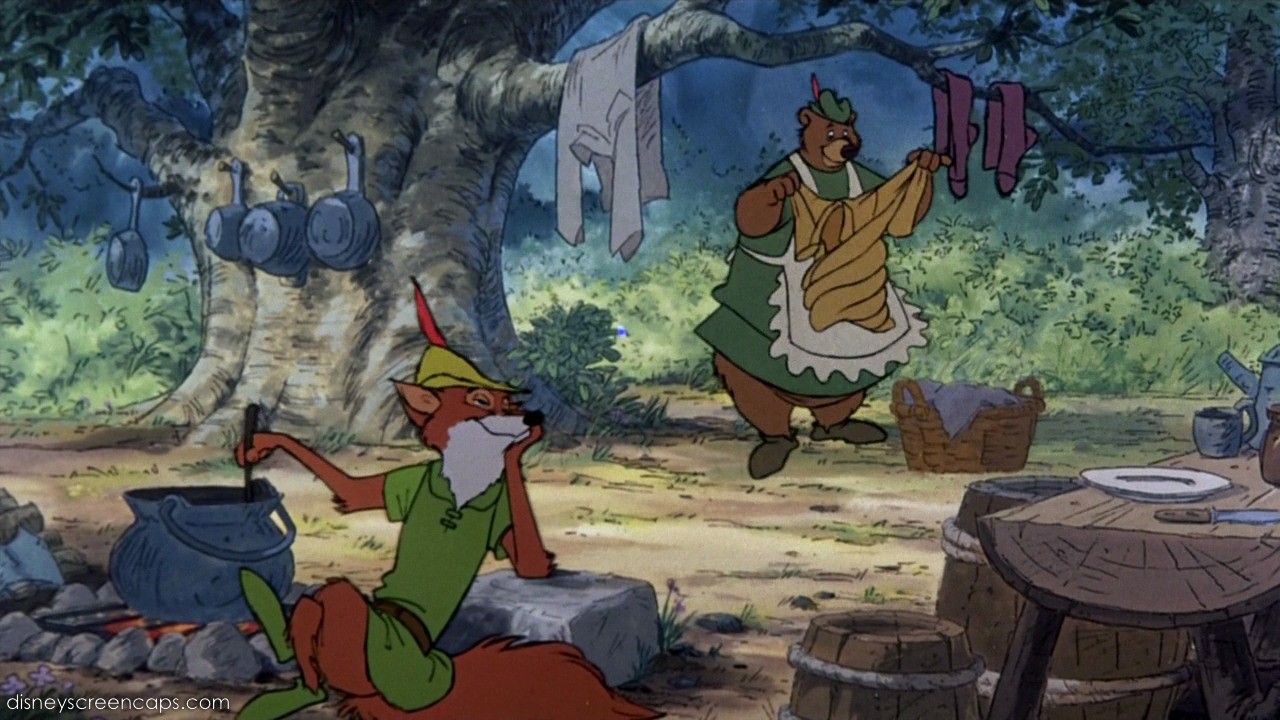
Disney's Robin Hood also taught me that men can cook and do their own laundry!

Disney’s Robin Hood also taught me that men can cook and do their own laundry!

As a teenager and young adult, I became pretty critical of Disney and all that it stood for. I became conscious of the toxicity of “princess culture,” and began to question why basically everyone in their movies was white. I became cynical of how aggressively Disney tried to breed brand loyalty among even the youngest of children, up to and including offering free Disney onesies to new babies in hospitals. On top of that, the more that I learned about Walt Disney and his business practices, especially the special deals that he brokered in Florida while building Disney World, the more weirded out I became.

Still, when my mother announced a family vacation to Disney World a few summers ago, I was game. I’d never been before, but my mother and sisters had done the Disney thing back in 2005, while I was still living in Halifax, and I knew that they’d had a blast. It wasn’t so much about the brand or even all the fun things to do, my family insisted, it was about how well the staff treated you, how special and important you felt. And when my family and I, my five-month-old son in tow, descended on Disney World in July of 2011, I discovered that they were right. And maybe it was because I was still in the middle of that funny culture shock that comes after you have a kid, those few months where you’re slowly and painfully discovering that the world is nowhere near as easy to navigate as you once thought it was, but I remember being so incredibly grateful for the fact that Disney World seemed to have thought of absolutely everything when it came to dealing with families with small children. Disney World was the first place that I’d ever taken Theo where I didn’t feel like my child’s needs were a burden or a hassle to the staff.

And let’s just get one thing straight here: Disney’s staff are excellent. Really, really excellent. They are people that the company should be incredibly thankful for. Instead, as I’ve recently learned, Disney doesn’t have much interest in caring for or protecting their staff. In fact, when it comes to the issue of sexual assault in the workplace, they’re pretty happy to throw their female employees to the wolves and wash their hands of any responsibility.

In fact, Disney is pretty firm on the idea that if you are an employee who was raped while drinking and socializing with employees of the opposite sex, then it’s all your fault.

Many of you have probably already read Dana Wierzbicki’s post on XOJane from Monday called “It Happened To Me: I Was Raped Disney World And Nobody Cared” – for those of you who haven’t, I’ll give you a  brief rundown:

Dana was an employee at Disney World while participating in the Disney College Program, a program that allows post-secondary students from all over the world to come live in Florida, work at Disney World, enjoy unlimited access to the parks all summer, and take a few courses in business management on the side. It should have been the best summer of Dana’s life, and it was, up until she was raped by a co-worker. She says,

He and I went to a party together, we went back to his apartment later, and I said “no,” but he wouldn’t stop.

For two months I kept everything that happened that night to myself. I told my roommates that things went fine and I had a good night.  I didn’t know how to feel about what happened. In the beginning, I told myself it was a misunderstanding; maybe he hadn’t heard me. I blamed myself; I should have yelled louder. I should have pushed harder. I should have punched him and ran out of the room.  I always thought that if I was ever raped I would beat the guy up. Does that mean I wasn’t raped?
After trying to handle the emotional and physical fallout of the rape on her own, Dana eventually decided to seek help from the counselling service that Disney provided. This decision, she writes, was triggered by the fact that she later saw her rapist flirting with other girls at a party, and realized that if she didn’t do something, anything, then he would almost certainly end up raping someone else.
Her experience with the counselling service was, unfortunately, pretty grim. At one point, the counsellor told her, “Well, now you know not to be hanging around boys in the middle of the night. You know what they want.”
When Dana told her about seeing her rapist flirting with girls at a party and expressed concern that he was likely to rape again, the counsellor took this to mean that she was jealous of the attention that these other girls were receiving. She advised Dana to show up at the next party looking “hot” and tried to reassure her by saying, “You’re a pretty girl. I’m sure you get all the boys.”
Dana then spent several days trying to figure out how she was supposed to properly report her rapist. She was passed from one department to another, and no one seemed to be entirely sure who or what was supposed to handle this type of stuff. Finally, she spoke to someone in Employee Relations who gave her more victim-blaming bullshit and told her that she should have gone to the police back when the rape had happened, but there was nothing that anyone could do now. The woman in Employee Relations told Dana that they would open an investigation, but likely nothing would come of it.
Dana flew home and tried to resume her normal life, but she did follow up with the Employee Relations office several times. She was eventually told that her case had been closed. She called a friend of hers who was still working at Disney World and was told that her rapist was still employed there, and had suffered no repercussions for what he’d done.
After reading Dana’s story, I was admittedly shocked by how terrible Disney’s response was. Surely they couldn’t actually care so little about their employees, could they? Dana’s experience must have been a fluke right? So I spoke to my friend Laura*, who had also participated in the Disney College Program, and asked her if any of Dana’s story meshed with what she’d seen during her own time at Disney World. She said that Dana’s experience unfortunately wasn’t uncommon, and that she’d realized from pretty much day one that Disney was not interested in dealing with sexual assault. She said,
In my first week I was in a room with about 250 Canadian kids learning the rules of the dorms and this big, corporate guy comes in and starts talking to us. He tells us – and I’m paraphrasing a little here – that this is a high crime area and there are sexual assaults regularly around the dorms. That if you are a girl, you should not go out after dark alone, or you might get assaulted. That you should not go to the bars, and definitely not alone, because ‘girls get drugged.’ That you should not make friends with strange men, not go into other people’s dorms alone and not dress provocatively, because girls get assaulted and go home all the time. And if you do get assaulted, don’t go to the housing department, call the police, because there is nothing that housing or Disney can do for you.
And, you know what, without even touching on any of the victim-blaming bullshit that Disney is spewing, can we talk about how fucking ridiculous this is when it comes to anti-rape advice? Like, you are bringing in hundreds of people in their teens and early 20s to work and live together, and you somehow think that it’s sensible to tell people not to associate with the opposite sex? Not to drink? Not to wear “provocative” clothes? Not to go to boys’ dorm rooms? Like, that’s what these kids are there for – I mean, yeah, they are there to work at Disney, but a lot of them are also there to have a good time, and that good time involves drinking and having sex. That is what a lot of people do, and just flat-out advising them not to do it is not going to change anything. But Disney, meanwhile, feels as if they’ve covered all of their bases, and if a girl ends up being the victim of a sexual assault, well, Disney doesn’t want to hear about it because it’s all her fault.
And before you jump in and say that Disney has no control over what their employees do within the comfort of their own apartments, and that the girl should have gone to the police instead of Disney, let’s be clear on something – these dorms and apartments are belong to Disney. Laura says,
[The apartments] are not in “Walt Disney World” itself, they are about 10 minutes away in Lake Buena Vista, FL. Which is fine. They are contracted out from Disney and run by a separate property company for maintenance and stuff, but they are gated residence complexes run exclusively for the Disney college program, the rent money is taken by Disney and Disney Housing arranges everything and has offices on the properties and as a member of the program you are not allowed to live anywhere else but these residences. So, while the rape wouldn’t have happened on “Disney property,” as in not in Walt Disney World proper, it did happen at Disney, in a residence run by Disney, where Disney was forcing it’s program participants to stay and collecting money for it.
With regards to the whole “she should have gone to the police” idea, the fact is that the majority of the people participating in the Disney College Program are not from Florida. In fact, many of them are not from the United States. So it makes sense that they would go to Disney, the employer that brought them there and was housing and educating them, for help after being raped. It’s also not uncommon for people to be intimidated or afraid of the police, and it’s totally logical for someone to feel that going to their traditionally helpful and caring employer when dealing with the fact that their co-worker has raped them.
Look, Disney, you are totally dropping the ball when it comes to handling sexual assault. Not only is your approach gross and victim-blaming, but you’re fucking up from a brand approach as well. So if you can’t bring yourself to change your policies with regards to employee rape and sexual assault out of sheer human decency (which, by the way, you should), then maybe you need to look at it this way: you are losing customers. Big time. The people who go to work at Disney World are some of your most brand-loyal consumers. They want to work at Disney because they love the company and the brand. When you can’t step up and do what’s right for your employees, you are losing their loyalty, and the loyalty of any children that they might have, and their friends’ loyalty, and their family’s loyalty.
You can do this, Disney, you really can. You can make these changes, and I guarantee that they will make Disney World a safer, better place for your employees. You can fix this, I promise. You need to start by providing better training for your counsellors, You need to reach out to organizations that fight against sexual assault, and get some tips on how to deal with rape without blaming the victim, You need to provide better training and education for your employees. This stuff might not be easy, but it’s necessary. Please, please make this effort – if you don’t, stories like Dana’s will continue to happen. And the outcry against you will grow. And you won’t be able to stop it.
I’ve started a petition here to try to convince Disney to put some of these changes in place.
*Not her real name
Cinderellas_Castle