Tag Archives: doooooooom

Bullying Part III (or, all hail Margaret Atwood)

10 Oct

This will be the final instalment of my totally unplanned Bullying Trilogy (seriously, it started out with me just wanting to talk about clothes).

After I made my last post talking about how I was bullied in my teens, my friend Audra asked if I’d read this 2011 article from New York Times, Bullying As True Drama. In fact, I had read it when it first came out and hadn’t really given it much thought. Re-reading it, though, I found myself nodding and muttering, yes, yes, yes under my breath.

So much of this article hits home for me. This part, for instance:

Many teenagers who are bullied can’t emotionally afford to identify as victims, and young people who bully others rarely see themselves as perpetrators. For a teenager to recognize herself or himself in the adult language of bullying carries social and psychological costs. It requires acknowledging oneself as either powerless or abusive.

Or this:

While teenagers denounced bullying, they — especially girls — would describe a host of interpersonal conflicts playing out in their lives as “drama.”

At first, we thought drama was simply an umbrella term, referring to varying forms of bullying, joking around, minor skirmishes between friends, breakups and makeups, and gossip. We thought teenagers viewed bullying as a form of drama. But we realized the two are quite distinct. Drama was not a show for us, but rather a protective mechanism for them.

And especially this:

“Teenagers want to see themselves as in control of their own lives; their reputations are important. Admitting that they’re being bullied, or worse, that they are bullies, slots them into a narrative that’s disempowering and makes them feel weak and childish.”

Like I said in my last post, bullies can smell a victim. The minute that you admit to yourself or to others that you’re being victimized, then I guarantee you that, barring serious intervention, the bullying will get worse. To make matters even more difficult, many kids (and adults) don’t realize that they’re bullies; this behaviour is so ingrained in our culture that it seems downright normal. I’m certain that most of the kids inflicting “drama” on others have, at some point, been on the receiving end of “drama”. To them, it’s an unpleasant but ultimately unavoidable part of life.

We also need to realize that the ways in which bullying happens have changed; it often occurs online, or through texting; it’s not always public. This, then, is where I think David Dickson, chairman of the Bullying Prevention Initiative of California, really misses the mark with definition of bullying as happening, “typically in a social setting in front of other people“. That definition certainly doesn’t hold true today; in fact, I’m not sure that it’s ever been accurate.

One of the best literary instances of bullying that I can think of is the torment that Elaine Risley goes through at the hands of her so-called “best friends” in Margaret Atwood’s Cat’s Eye. Though all three of her friends are party to the bullying, few outside of that group know what’s happening. In fact, Elaine is pretty clear about the fact, were she to tell anyone about being bullied, she would feel as though she were breaking some kind of sacred code:

“Whatever is going on is going on in secret, among the four of us only. Secrecy is important… to violate it would be the greatest, the irreparable sin.”

A few adults in Elaine’s life seem to have some inclination as to what’s going on; she hears the mother of one of her friends saying that she deserves to be bullied because she’s a “heathen”, and, several years after the bullying occurs, Elaine’s mother makes a vague reference to the girls giving Elaine a “bad time”. Those instances aside, none of the grown-ups seem to know or understand the severity of what’s happening. The three girls are at Elaine’s school, and one of them is even in her class, but none of the teachers seem to notice that anything is amiss with their relationship; even her peers see only a group of “best friends” and nothing more.

Based on all the above, I wouldn’t say that Elaine’s bullying is public; in fact, her tormentors are very careful to maintain the façade of friendship that they’ve built up. Does that mean that it’s not bullying?  Elaine is certainly emotionally, mentally and physically scarred by what she’s going through; not only are her self-confidence and happiness eroded to the point of non-existence, she also begins experiencing symptoms of severe anxiety such as fevers, stomach aches and tendencies of self-harm (among other things, she begins biting her fingers, and pulling patches of skin off her lips and the soles of her feet).

Another important thing to note is that, much like the girls mentioned in the Times article, neither Elaine, her friends, nor the adults in her life ever use the term bullying. Instead, they use euphemisms like giving her a hard time. At one point Elaine’s mother even tells her not to let the other girls push her around, and not to be spineless, as if that’s any kind of helpful advice. So the message that Elaine receives both from her “friends” and the adults in her life is that the way she’s being treated is her own fault.

This, then, helps explain why, when the balance of power shifts between Elaine and her “friend” Cordelia,  Elaine begins to bully her back. While Cordelia spent most of grade school bullying Elaine, Elaine turns around and spends much of high school treating Cordelia equally terribly. In her mind, though, she’s not a bully; she can’t be, because, in Elaine’s eyes and the eyes of the world, her “friends” from elementary school weren’t bullies either.

At one point, when things are at their worst, Elaine’s mother says to her,

I wish I knew what to do.

And that, that right there, is often the hardest pill for both adults and teenagers to swallow – the fact that when bullying or “drama” occurs, the adults involved often just don’t know what to do.

I’m going to go out on a limb here and guess that part of the reason teens started using the term “drama” to sort of re-brand bullying was the realization that, possibly for the first time in their lives, the adults around them had no clue how to stop them from hurting. So the term “drama” isn’t just a protective mechanism for the kids themselves; it’s also their way of protecting their parents and teachers, a way of reassuring them that it’s okay that they have no idea how to help because it’s nothing, just drama, and their help isn’t needed.

Matt and I were both bullied when we were younger, and because of that we’ve talked extensively about what we would do if Theo was ever bullied. I would like to say that we’ve come up with an awesome plan but, really, we haven’t. If things were ever to get really bad and Theo were to express a desire to change schools, Matt would prefer to go ahead and do that, whereas I would rather that he learn to work things through with his peers rather than running away. Of course, Matt doesn’t know what he would do if things were equally bad at Theo’s new school, and I have no idea how Theo is supposed to learn to rationally work things through with a bunch of hormonally-crazed teenagers.

I think, though, that at the end of the day that Times article has it right; instead of focussing on the “negative framing” of bullying, we need to work towards teaching our kids what healthy peer relationships look like and how to be good digital citizens. We need to teach our kids empathy and the ability to recognize when “drama” has gone too far. We need to find ways to empower our kids instead of making them feel weak or victimized.

I know, I know, this is a lot of talk without a lot of substance to back it up, but hey – I’ve hopefully got a few more years to figure it out. And while I’m teaching Theo how to be a smart, confident, independent person, I’ve got him to teach me how to be a thoughtful, wise and effective parent. So far, I think we’re both doing a pretty okay job.

Bullying (or, nolite te bastardes etc.)

7 Oct

I’ve written on here about some of the less-than fun stuff I went through as a teenager, but I think that last night was the first time that I’ve ever publicly referred to it as bullying. And now I kind of want to talk about it?

A little bit of background:

I’d had the same group of friends throughout most of elementary school. The five of us had been pretty tight, spending every recess and lunch hour together, pairing up for science projects and book reports. On the weekends we would force our parents to shuttle us around the city for various playdates and sleepovers.  I’d known them for so long that I couldn’t imagine ever not being friends with them.

Then, one mid-day recess in seventh grade, my friends told me they had to talk to me.

We sat in a circle on the schoolyard pavement, near the edge of where the grassy field began. It must have been October or November, because I remember that the sky was grey and there was a chill in the air. My friends started out by saying that they’d been talking about me, and had realized that they collectively found me annoying. They told me that they’d come to the decision that they didn’t want to hang around with me anymore, and asked me to stop joining them at lunch and recess. I tried to argue with them, then tried to bargain, but it was pointless; their collective mind was made up.

Basically, they broke up with me.

What had already been a difficult year went from tough-but-manageable to downright miserable. Even before I was de-friended, I was already being picked on by my classmates for my bad skin, the way I dressed, and the nerdy things I liked. Now, not only was that all still happening, but I suddenly had no one to protect me, and no one to tell me that I wasn’t an ugly pathetic loser.

As the year went on, the kids who made fun of me became braver, making more and more publicly humiliating comments about me. One kid said that I didn’t need to use whiteout, because I could just use the pus from my pimples – the teacher laughed at that along with everyone else. Another kid wondered aloud why my clothes were so terrible, since my father was a lawyer and could almost certainly afford something better than ill-fitting sweatshirts and track pants. Boys from my class prank-called me in the evenings, pretending to ask me out – then repeating everything I’d said on the phone the next day to the rest of my class.

I didn’t tell my parents what was happening because I was embarrassed, although they must have noticed that I wasn’t being invited to my friends’ houses anymore. I didn’t want them to know how much of an outcast I’d become at school, because it seemed like it was mostly my own fault for being unlikeable. Anyway, I reasoned, even if they did know, what could they do?

When I started high school, I chose a school that almost none of my classmates were going to. The only person from my class who was coming with me was the girl I’d become close with in 8th grade, so that was fine. I figured that this was the perfect chance to start over. No one at this huge new school knew me, or knew my past; I would walk through those front doors in September as whoever I wanted to be.

I didn’t get to start over, though. Does anyone ever really get a fresh start? I still had all the problems that had led to being teased in the first place: bad skin, the wrong clothes, and geeky interests. Even worse, the last two years had left me with zero self-confidence, which meant that I was constantly second-guessing myself. Because of this I had a hard time making friends, and when I did I was clingy and jealous. I was even more of a mess when it came to boys. Boy, was I ever.

Bullies can smell a victim, and I was soon back to being the butt of the joke. I went to an arts high school where I majored in dance, and the girls in my dance class were saccharine sweet to my face (most of the time), but made fun of me as soon as my back was turned. By the end of the year I was so tired of it that I transferred out of dance class and instead majored in visual art, where I was surrounded by pretentious art school kids, stoners and comic book nerds – on the whole, a much nicer group.

I don’t mean to make it sound like I was totally friendless. I mean, yeah, I had people that I hung out with – a pretty big group of friends, actually. But even within that group I was teased. Early high school was pretty much just as shitty as late grade school.

My later high school years were better, and the same goes for university. I moved out east for school, made some great friends, and became the stunningly self-confident adult you see before you today. Things are mostly totally fine now. I am mostly fine now.

What’s strange is that now I’m friends on Facebook with a lot of the people who made me miserable (maybe some of you are reading this now – hi guys! kind of awkward! sorry!). We’ve never talked about or even acknowledged what happened; after half a lifetime of not knowing these people, we mostly just “like” each others’ statuses and comment on photos of each others’ kids. Initially, I felt awkward having them back in my life, mostly because I worried that they were still judging me and still finding me wanting, but now we’ve settled into a sort of comfortable camaraderie, reminiscing about our collective school days as if we’ve been friends all along.

Maybe they’ve forgotten what happened, or maybe it just never seemed like a big deal. Maybe they feel bad.  Maybe I’m the one with the problem. Maybe they were right, and I am a pathetic loser. Maybe they were dealing with their own stuff at the time and didn’t realize how much it sucked for me. Most likely it’s a combination of most of the above.

I find that when I talk about what happened, I use a lot of euphemisms; I’ll say that I went through a tough time when I was younger, or else that I had a bad year the year I turned 12, or any other number of variations on the same thing. I’ve been hesitant to use the word “bullying” when talking about my own circumstances, for a couple of reasons:

1. Was I even bullied? I mean, yes, I was teased, but does that count as bullying? When does it cross the line from normal kid behaviour to bullying? Or is bullying so pervasive in our culture that it now seems normal?

2. Weirdly, I feel anxious about what the people who are my friends now will think of the fact that I was such a loser. There’s a part of me that thinks that they’ll start to reconsider our friendship, start to notice all of the less-than-stellar components of my personality.

3. Saying that I was bullied is admitting that I also became a bully later in high school. I made fun of people, talked behind their backs, told secrets. I was even party to making a girl cry in 11th grade chemistry class. I was mean, and I liked being mean.

I do think that it’s important to start a dialogue about this, especially in reference to the first point. In the wake of Jennifer Livingston’s on-air response to an email criticizing her weight, in which she refers to the man who sent her the email as a bully, there has been a lot of discussion about what qualifies as bullying, and whether or not it was the appropriate word to use in that instance. David Dickson, chairman of the Bullying Prevention Initiative of California, says“Bullying, normally, is what someone, in a very mean spirited way, continually and on a repeated basis, does to another person, typically in a social setting in front of other people…It was a stupid letter he wrote, but he commented privately.” 

Now, I’m not an expert on bullying, and none of the definitions that I’ve found online have really been satisfactory, but it seems wrong to ignore this entire discussion just because what happened doesn’t fit Dickson’s fairly narrow definition of what bullying is. Whether or not the letter sent to Livingston was public, it was certainly hurtful and unnecessary, especially considering that she’s likely spent a lifetime of facing comments like that. Also, it sucks to have a so-called bullying expert be so condescending and dismissive, especially when bullying in our culture is so often dismissed as kids just being kids (or, in this case, fat ladies just being too sensitive).

Maybe Dickson wouldn’t consider what I went through to be bullying. I mean, sure, it was public, and it was often mean-spirited, but maybe it wasn’t very mean-spirited, or maybe it wasn’t repeated or continual enough. Maybe it was just teenagers being dicks to each other, and I’m just an oversensitive lady-type. Usually writing things out here makes them clearer (and hey, it’s cheaper than therapy), but this time it just makes them seem murkier and more confused. Was I the one with the problem? Were they the ones with the problem? Was I undeserving of friends? Am I still?

What I do know is this: I’m tired of pretending that nothing happened, and I’m tired of feeling like I did something wrong and have something to hide. I’m tired of waiting for all of my friends to discover that once-upon-a-time I wasn’t cool, and then to high-tail it out of my life – so take that, brain, a pre-emptive admission of uncoolness. Most of all, I wouldn’t want any other kid to feel as shitty as I did.

So yeah. Can we talk about this?

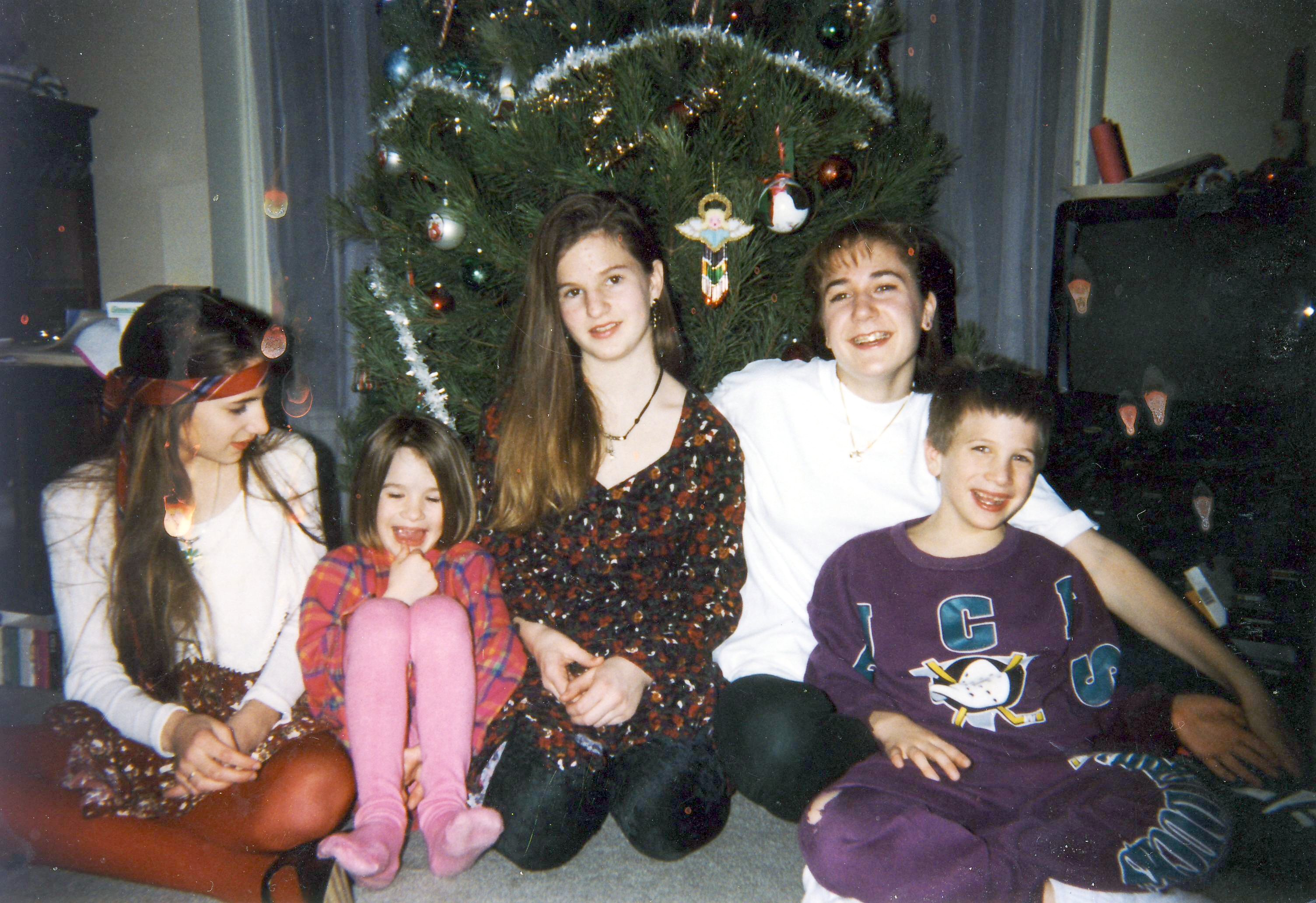
Me at age thirteen, centre, with my cousins and sister.

On Bullying And Being A Clothes Horse

6 Oct

I like clothing. I like it a bunch, and not just because it gives me the ability to not be naked. If avoiding nudity was my only concern, I probably wouldn’t have as many clothes as I do.

For those of you who don’t know me very well, let me be really super clear on something here: I own a lot of clothes. A lot.

I used to not care so much about what I wore; I mean, sure, I liked getting dressed up, but if someone gave me money, I spent it all on books (or sometimes books and candy). Gifts of clothing at Christmas or my birthday were considered boring, and beneath my interest; they were quickly set aside in favour of more interesting packages. When my mother gave me money to go back-to-school shopping, I would spend as little of it as I could on a few shirts and a pair of jeans at Walmart, then save the rest for the more interesting stores.

Then puberty hit, and people started making fun of the way I dressed. Why? Because teenagers, that’s why.

Not only was I lacking in fashion sense, but I was also widely considered to be quite ugly. A classmate of mine took a sort of informal poll on the relative attractiveness of the girls in our class, and I rated lowest. Out of 28 classmates, only one (a girl named Cindy who was well-known to be the nicest person ever) had said that I was “sort of pretty”; everyone else, even (especially?) the boys had marked down “ugly” next to my name.

I tried to laugh it off, but underneath I was heartbroken.

I went home, cried, sassed my parents, ate some ice cream, cuddled my cat, scrawled in my diary, etc.

Then I decided that this was, in part, a solvable problem.

I couldn’t change my facial features or the basic structure of my body, of course, but what I could do was learn how to apply makeup and wear the correct clothes. In order to do this, I would have to figure out what the right ways to do these things was, because I honestly had no idea. I began to observe my classmates as if I were a cultural anthropologist; I made notes on what they wore, how they did their hair, and what shade of lipstick they applied. I bought fashion magazines and pored over their pages, cutting out pictures of the outfits I liked. We didn’t have a lot of money, so I started spending time at Value Village, Goodwill and the Salvation Army, digging through the racks for things that might look good, or fit me well.

I began replacing my wardrobe of printed pastel sweatshirts, track pants, babyish puffed-sleeve dresses and unflattering stovepipe jeans with slightly more grown-up attire. Back then, I wasn’t necessarily trying to be fashionable, or even dress particularly well; I just wanted to fit in and be able to disappear into the crowd. I gravitated towards basics like plain t-shirts and tank tops paired with jeans, khakis or a simple skirt. All I wanted was to be normal, because I thought normal meant that I wouldn’t be bullied anymore. I wanted to use clothing as a sort of protective armour, one that would make me look like an average high school student instead of someone with a target on their back.

By the beginning of university, I’d begun to wear things like vintage slips and old, beat-up leather jackets. I tied my hair back with old kerchiefs I’d bought for cheap in Kensington Market. My grandmother gave me an old coat of hers from the 60s, and I wore the shit out of it. I was starting to look kind of good.

While in Halifax, I was lucky enough to have two roommates who a) were approximately the same size as me, and b) had awesome, badass fashion sense. We instituted an open-closet policy, and having access to a sort of communal wardrobe gave me the chance to experiment with different looks without having to commit to them. I stopped wanting to look normal, and started wanting to look interesting. I learned to accessorize. I started putting outfits together in unconventional ways, and discovered that I kind of liked doing that.

Now, weirdly, some people actually consider me to be fashionable. It’s still a label that feels strange to me (and I often think it means “you sure do own a lot of clothes!”), and I don’t really believe that I dress particularly well. I still sometimes feel like my clothing is a disguise rather than an a form of self-expression. In a lot of ways, I’m still that skinny, ugly teenager who has no idea what to wear; I still study the way people dress (more out of habit, now, than out of necessity), and although I don’t cut pictures out of magazines anymore, I do pin copious amounts of fashion on Pinterest. But now, instead of feeling like this is something that I have to do in order to fit in, I do it because I’m looking for ways to stand out from the crowd. I also do it because I enjoy it.

Having taken the time to look back and write all this down, I’ve realized something: I took an experience that was ultimately really sad and tough and demoralizing, and out of that I developed a passion for something that I didn’t really care about before. Being bullied led me to explore and learn to love something that I might not have thought much about otherwise, something that still brings me happiness as an adult. And really, isn’t that the best possible outcome of a situation like this?

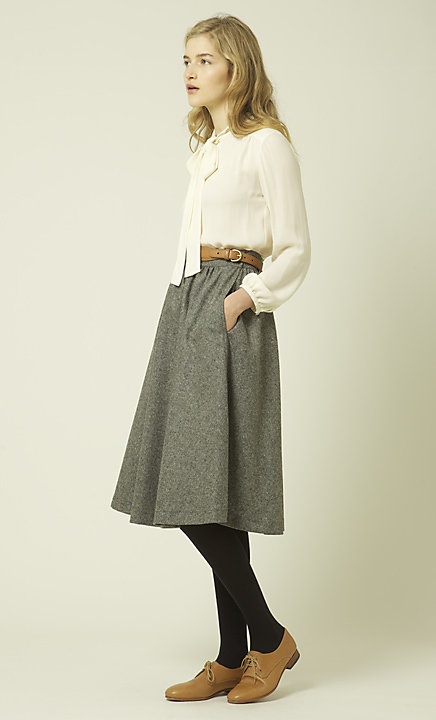
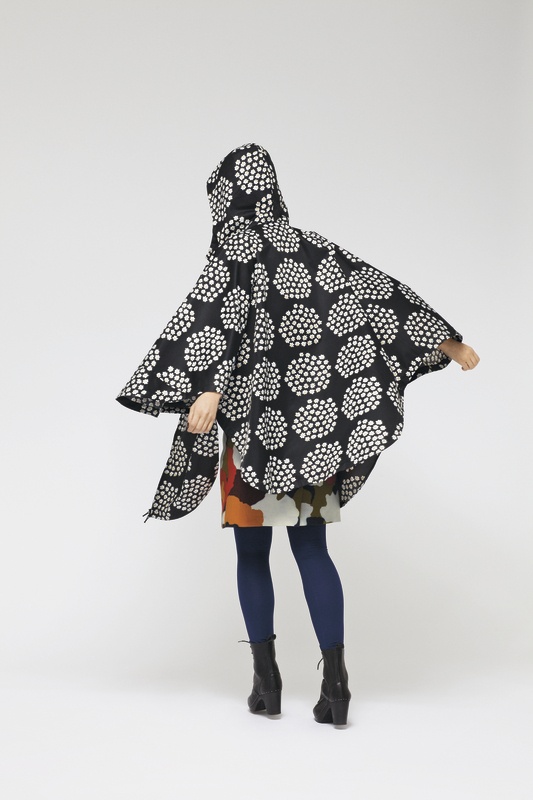
Anyway, here are a few things that are inspiring me these days. Maybe they’ll inspire you, too!

Tweed Skirt from Steven Alan

Failure Is Easy (And Sometimes Success Fucking Sucks)

4 Oct

I did a teaching demo today for the owners of a local yoga studio. It was an amazing opportunity – their space is beautiful, they have a ton of teachers that I love and respect on their schedule, and it’s walking distance from my house. I’ve known the two owners for nearly a year, and they’re wonderful women – both are amazing instructors who have a quiet, gentle presence that would put anyone at ease.

Needless to say, I was fucking petrified.

I started out by nervously giggling my way through a short interview, and then spent a few minutes fumbling around with the audio system, trying to get my music to play and hoping that the trembling in my hands wasn’t obvious. I’d planned and reviewed the sequence that I was going to teach, so fortunately I didn’t forget it or anything, but my voice had gone strangely squeaky, and I could tell that my breathing was shallow. After a few minutes, though, I hit my stride and started to feel more confident. After all, I teach several times a week, right? I know how to do this.

Right?

Afterwards, they smiled at me, and told me what a lovely teaching voice and style I had, mentioned that I’d given excellent cues and had clearly been well-trained, and finally said that I had a beautiful practice.

Even a three-year-old could have heard this but coming a mile away.

But, one of them said gently, we noticed that you didn’t look at us. Do you ever walk around the room while you teach? Do you ever offer adjustments?

I do, I do, I stammered, I mean, maybe not as many adjustments as some other teachers, but I can do them. I mean, we learned how to. And I can walk around the room while I teach. We did focus on that in our training. Walking, that is, around the room, and not just demonstrating the poses to the students. It was something my teachers talked a lot about.

It must have been hard to teach to us, said the other, it was probably overwhelming to teach to the two owners of the studio.

I was totally nervous, I said. Didn’t you hear my voice shaking?

It was the sort of thing I knew I shouldn’t have said even before I said it, but then it came out anyway.

They talked to me a bit longer about the importance of connecting with your students, of having a relationship with them, and of maintaining an awareness of what’s happening in the room at all times. I said a few thing that probably sounded like feeble excuses. They thanked me for coming in, said that they had no immediate spots available on the schedule, but would keep me in mind for the future. I thanked them a little too profusely for having me in to demo for them (because it’s an honour to even be asked, right?) and then rushed out the door.

I don’t know which reaction to criticism is worse: to tell yourself that what other people see is wrong, that they just don’t understand what you’re trying to do, that they’re the ones with the ones with the problem, not you, or to do what I did, which was to tell myself that I’d flat out failed.

The thing is, they were right. I didn’t look at them while I was teaching. I probably don’t connect with and engage with my students enough. I do need to get up off the mat and walk around the room more often.

I could have said to myself that I would work harder, that I would take workshops on how to give adjustments, that I would get better and be the best teacher possible. The problem with that line of thought is that it seemed overwhelming and exhausting. I was tired just thinking about it.

It was easier to tell myself that I’d failed, that I was a bad teacher, that I should just give up and move on. It was easier to blame myself for not being prepared enough, for not thinking to look at them often enough, or even for scheduling a demo like this before I felt fully confident in my skills.

Failure is easy. Failure means that I get to give up, relax, not be so hard on myself. Failure means that I get to spend more time at home with my husband and son, and less time improving myself. Failure, somehow, means less anxiety.

Success, on the other hand, can be totally scary. With every success comes the idea that you need to build on it, keep the momentum going, continue to grow bigger and better every day. And success, of course, makes every little failure seem all the more bitter.

Every time I write something on here that elicits a reaction from people, that ends up being passed around on Facebook, or generates a lot of comments, I feel like my next post has to be even better. And then if I go a few days without posting anything that gets a big response, I feel like I’ve lost it, whatever it is: the ability to write, maybe, or to communicate effectively, to touch people.

A few things, though:

1. Every post I write doesn’t have to win the Nobel Fucking Prize for Bloggers

2. I am still just getting started as a writer who is writing things for other people, and not just scrawling messy feelings in my diary.

3. I am still a novice teacher; I just graduated in June for Pete’s sake

4. Who the hell is Pete, anyway? Is it Peter like the apostle Peter, the one who became the first Pope?

5. I really hate that dude.

I am a good teacher; I am also a good writer. I have innate talent in both of those areas (I mean, if I do say so myself). BUT (did you see that but coming?), innate talent will only get you so far. The rest of the way to success is hard fucking work. It’s hard work, and the road is never smooth – every time I succeed, it will likely be followed by a few failures, and it will be a while before I get to the point where I feel like everything is settling down and working out the way I want to. Maybe I never will. See? Fucking scary.

People like to say that failure is not an option, except that it totally is. I could totally pack up my yoga mat and go home. And I could justify that decision a million ways: teaching was wearing me out (true!), I felt like I wasn’t seeing my family enough (also true!), I wasn’t sure how to improve or move forward (double true!). Failing would be easy.

But I don’t want to fail.

I don’t want that to be the lesson that I teach Theo.

I don’t want that to be the lesson that I teach myself.

So if you’ll excuse me, I will take my lovely voice, my excellent cues and my beautiful practice and go work on learning how to properly walk around the room. It’s going to suck at first, and I’ll probably screw it up the first few times I try it, but I’ll ride that out and see it through until I get better. And I will get better, because I am a smart lady who can figure this shit out.

My child, even though I am a stupid misogynist and it’s totally my fault women can’t be priests, I will pray for you.

The Racist Roots of the Pro-Life Movement

2 Oct

Most people probably think of abortion as being a fairly modern convenience, and imagine that the pro-life movement has probably been around for quite some time. For one thing, people who are pro-life often cloak their message in the Biblical idea of thou shalt not kill, and, you know, the Bible has been around for like forever. With that in mind, it would totally make sense for anti-abortion sentiment to have been rampant and widespread for the last couple of hundred or even thousand years.

Except that it hasn’t been.

The roots of the modern pro-life movement can actually be found in late 19th century America. Laws criminalizing abortion in the United States didn’t begin appearing until the 1820s, and even then they were still fairly rare. In the 1860s (so, during and after the civil war), these laws became more common, and by 1900 abortion was illegal in every state.

Before that, abortion was totally legal up until the “quickening”, i.e. when the mother first feels the fetus move. This was partially because at the time, there was no definite way of knowing that a woman was pregnant until she felt fetal movement; of course there were other signs, such as lack of menstruation or things like morning sickness or breast tenderness, but any of those could be symptoms of conditions other than pregnancy. Because of that, the moment when a woman felt her baby “quicken” (which typically happens in the 4th, 5th or even 6th month pregnancy) was really the moment when society considered her to be pregnant. Before that, she was just a woman with an irregular or disrupted menstrual cycle.

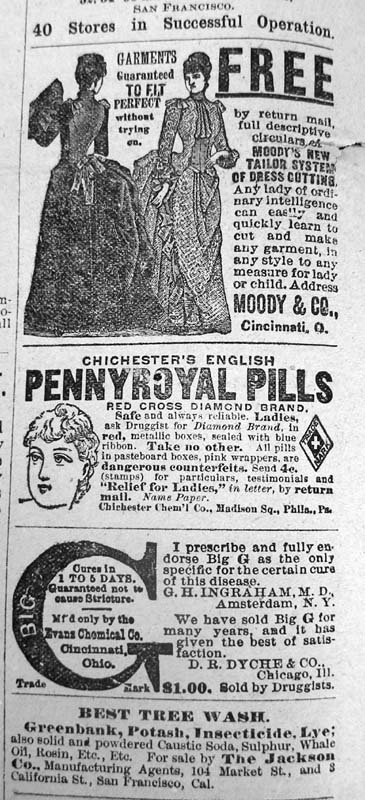
Which is why most advertisements for 19th century abortifacients looked like this:

Most patent medicines promised to do things like “correct irregularities”, or, even more abstractly, offering “relief for ladies”.

Abortion was actually one of the most common forms of birth control in 19th century America. Doctors estimated that there was one abortion for every five or six live births. In fact, the 1867 Richmond Medical Journal reported that,

“Among married persons so extensive has this practice become that people of high repute not only commit this crime, but do not even shun to speak boastingly among their intimates of the deed and the means of accomplishing it.” 

Abortion was so common that classy ladies were chatting up their friends about the best ways to do it.

Probably not what you would expect to hear at a Victorian tea party, right? Kind of amazing to picture, though:

Won’t you please pass the cucumber sandwiches, Priscilla? Oh and did I tell you about this absolutely smashing new way I’ve discovered of aborting unwanted fetuses?

Someone please invite me to that tea party.

So what the hell happened?

Well, people started worrying that if women were allowed to control their own fertility, bad things might happen. Like the end of society as we know it!

Let’s take a look at the historical context: the 1860s were obviously a very turbulent time, especially with regards to racial issues. The fact that there was such an increase in abortion legislation during and immediately after the civil war is quite telling. The aftermath of the war inspired a growing panic among white people that people of colour, who they were sadly no longer able to enslave, might try to take over “their” country. Maybe as payback for all those years of slavery? This panic paved the way for the idea of “race suicide”.

What, exactly, is race suicide, you might ask? I’ll just let my old friend Teddy Roosevelt explain it to you:

” …if the average family in which there are children contained but two children the nation as a whole would decrease in population so rapidly that in two or three generations it would very deservedly be on the point of extinction, so that the people who had acted on this base and selfish doctrine would be giving place to others with braver and more robust ideals. Nor would such a result be in any way regrettable; for a race that practised such doctrine–that is, a race that practised race suicide–would thereby conclusively show that it was unfit to exist, and that it had better give place to people who had not forgotten the primary laws of their being.”

(On American Motherhood, by Theodore Roosevelt, 1905)

That’s right – race suicide is the idea that white people will become “extinct” if they don’t have enough babies.

This fear, that people of colour would out-baby us, is where we find the actual origins of the pro-life movement. It didn’t come out of the idea that abortion was a sin, or the dogma of be fruitful and multiply, but rather the panicked notion that white people might not run the world anymore.

This racism still exists in the pro-life movement, although usually in more subtle ways. I’ve heard of white women requesting abortions and being asked, pleadingly, by medical professionals, if they know how wanted white babies are. And, of course, the pro-life movement is stunningly racist in other ways, for example when they posted this what-is-this-I-can’t-even billboard:

Look, I’m not saying that if you’re pro-life, you must be racist, or that everyone who hates abortion also hates people of colour. But what I am asking you to do is take a look at the history of the movement, educate yourself, and re-examine why you hold the beliefs you do.

I’m also asking you to admit that when it comes to anti-abortion sentiment, it’s not always about God or saving babies or whatever; it’s also about white people, and our xenophobia, and our desire to maintain our death grip on a society that we perceive as being only for us.

ETA: Sadly, the pro-choice movement has a pretty racist history as well. Stay tuned for the next in this series, The Racist History of the Pro-Choice Movement. Racism. It is why we can’t have nice things.

Writing, Yoga and Doing What You Love

1 Oct

When you first start writing, chances are you’re not doing it for anyone other than yourself. You might begin by keeping a journal, or producing badly illustrated, yarn-bound books about anthropomorphic cats named Stubby, or else writing raw, angst-written teenage poetry by moonlight while the rest of your family (who, by the way, don’t understand you) are asleep. I mean, maybe. It’s not like I’m drawing examples from my personal life here or anything.

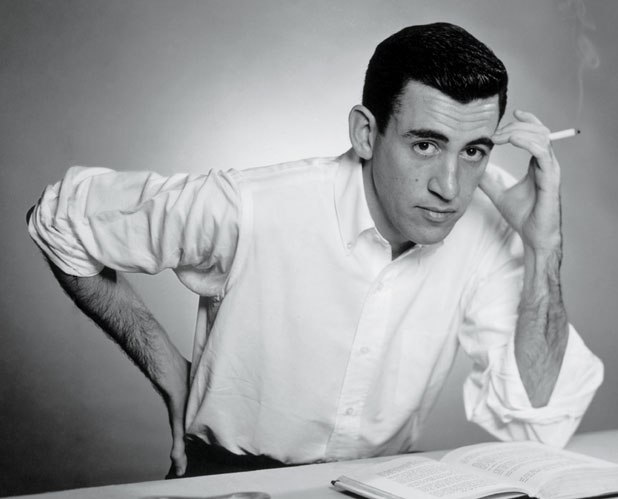
It might be that writing for yourself is all you want to do, and that’s great. That means that you can write whatever you want, edit as much (or as little) as you want, and basically be able to not give a fuck about, well, anything. JD Salinger (the king of giving no fucks) said,

There is a marvelous peace in not publishing. … It’s peaceful. Still. Publishing is a terrible invasion of my privacy. I like to write. I live to write. But I write just for myself and my own pleasure. … I don’t necessarily intend to publish posthumously, but I do like to write for myself. … I pay for this kind of attitude. I’m known as a strange, aloof kind of man. But all I’m doing is trying to protect myself and my work.

If you want any kind of commercial success, though, you need to start thinking about other people. In a best case scenario, you could write exactly what you want to write, and, due to some crazy alignment of the stars or a perfect moment of cultural zeitgeist, it would make the New York Times bestseller list. For example, you could write smutty Twilight fan fiction, change a few names, and have it become a wildly successful work of erotica. However, if that business model isn’t working for you (and don’t worry, you’re not alone), you need to figure out who your audience is and what the hell they want to read.

I feel like this is kind of where I am right now, not just with writing but also with yoga.

When I first started practicing yoga, it was (obviously) something I only did for myself. I remember my first class vividly; I struggled through it, but afterwards I was so relaxed that I felt high. It was love at first downward dog.

In the beginning it was just a physical practice, but later it became something more. I’m hesitant to describe it as “spiritual”, but the way I practice now certainly goes deeper than just my body. There have been times when yoga has triggered unexpected emotions in me; I laughed the first time I went into urdhva dhanurasana (full wheel), and kicking up into handstand still makes me insanely happy. There have been poses that have made me feel irrationally angry, and, much to my embarrassment, I’ve cried in class once or twice. Luckily, the lights were dim, and I was able to slink out the door without anyone noticing that something was amiss.

The feeling that I associate the most with yoga, though, is what I like to refer to as the “bell jar” feeling. I call it that because of the way Sylvia Plath describes feeling after her first shock treatment:

All the heat and fear had purged itself. I felt surprisingly at peace. The bell jar hung, suspended, a few feet above my head. I was open to the circulating air.

The bell jar, of course, is the metaphor she uses to describe her depression:

If Mrs. Guinea had given me a ticket to Europe, or a round-the-world cruise, it wouldn’t have made one scrap of difference to me, because wherever I sat – on the deck of a ship or at a street café in Paris or Bangkok – I would be sitting under the same glass bell jar, stewing in my own sour air.

I mean, let’s face it, we all have bell jars of one sort or another, though some may be lighter and clearer than others. For me, yoga, both the physical practice and the philosophy, was the best way of lifting mine for a little while.

Then I started teaching yoga, and it went from being this beautiful, deeply personal thing to being, well, a business. When you’re teaching, you can’t just do whatever you want. You can’t just teach your favourite poses over and over, or have a 20 minute savasana. I mean, sure, if you’re some kind of yoga superstar and you’re having to turn people away from your overcrowded classes, then maybe. But I’m still working my way up the ladder, and for now I have to figure out what the people want and how to give it to them.

It’s been a tough lesson to learn, especially since people in the yoga world aren’t always exactly, well, yogic. They can get angry if a class isn’t exactly what they wanted, or if they think you’ve made a mistake, or if you go five minutes too long or too short. You, the teacher, are providing a service, and the student, your customer, is always right. Or, rather, they are if you want them to ever come back to your class. Which, by the way, you probably do.

And then there’s the fact that you, as a teacher, should maintain a personal practice. It’s hard, though, to convince myself to roll out my mat when I get home from a day that’s been nothing but yoga: teaching yoga, doing yoga studio admin, writing emails about yoga. By the time I make it back to my apartment, all I want to do is snuggle Theo, hang out with Matt, and write.

So yeah, I’m feeling a little burned out on yoga these days. And then I feel guilty for feeling burned out, because it seems unfair to my students that their teacher is kind of tired of yoga. And then I think about how everyone always tells you to try to find work doing what you love, and I wonder if the natural consequence of doing what you love is that instead of loving your job, you end up feeling resentful about something that used to bring you so much joy.

Today, though, I cracked Patanjali’s Yoga Sutras for the first time in months. Reading through the second sutra, I caught myself thinking, oh yes, I do love this. Later, when I went to teach my class, I ended by talking a little bit about what I’d read in the sutras that day, and that felt good. Afterwards one of my students came up to me and told me how much she’d enjoyed the class, especially the bit at the end. And that felt really good.

I guess that what I’ve realized is that there has to be balance between what you love and what you give out to other people. Yes, you need to offer something that people want, at least if you want to make any money doing whatever it is you’re doing, but you need to inject some of yourself into your work as well. Being yourself when you teach or when you write is what makes your work authentic, and people can sense that. Have you ever read a book that was written specifically to appeal to a certain demographic? Usually they’re pretty terrible. By the same token, a book that’s just the author nattering on and on about whatever their pet subject is can often be just as bad.

So if you can find that perfect sweet spot of sharing what you love and giving what people need, then you’re probably golden. If you can find a way of separating thing-that-I-love-doing from thing-that-I-get-paid-for while at the same time acknowledging that, to a certain degree, they are the same thing, then you’re probably way ahead of the curve. And if you can find a way to admit that it’s okay to feel burned out on the places, people and leisure activities in your life, and that you can come back to them when you feel ready, then you get a thousand high fives.

And that, my friend, is a lot of high fives.

Check out all the fucks I’m giving. Oh wait, there are none.

The Oatmeal Is Actually Pretty Gross, You Guys

26 Sep

When I was a kid, I loved watermelon. Loved it. I couldn’t get enough of that shit.

Then one day, when I was five or six, I ate a bunch of that delicious summertime fruit, caught some kind of stomach bug, and ended up puking violent pink puke all night. Ever since then, I haven’t been able to stand the taste or smell of watermelon.

This is pretty much how I’m feeling about The Oatmeal right now.

A few days ago I wrote a post about The Oatmeal’s recent comic, My dog the paradox. I had some concerns regarding the misogynistic language he used in it, but I was pretty nice about it. I’m a pretty nice person, you guys.

I don’t feel so nice right now.

See, in my post about the dog comic, I was all, I’m disappointed, because I thought that The Oatmeal was smarter and better than this. I’ve since learned that apparently The Oatmeal is not better than this.

Apparently, not only did Matt from The Oatmeal write a comic about his dog, he also wrote an extremely hilarious comic called 5 Super Neat Ways To Use A Hooker. I know! So funny! I bet you’re laughing already, without even having clicked on the link!

Basically it’s a comic about how sex workers are objects, and you could use them in a variety of ways, such as to prop up couch forts, or act as bird feeders.

The whole thing is pretty fucking gross. The drawings, which show garishly made up women with blank stares and bodies hanging out of their clothing, make it even worse.

Don’t worry, though. Matt from The Oatmeal already knows that you’re angry. He knows that you’re offended. He just doesn’t care, because the problem isn’t him, it’s you.

In his contact section, he’s pretty open about the fact that he doesn’t give a shit about what you think. Not only that, but he definitely doesn’t want to hear anything negative from you about his comics:

Do not expect diplomacy. The Oatmeal is a one man operation, and this gives me the right to say horrible things to you if it pleases me. You may even have a valid point or fantastic insight, but this won’t stop me from calling you horrible names and claiming to have spent an evening or two with your mother. [hahaha, a YOUR MOM joke – those things are always hilarious!]

Do not email me because you are offended by: my hooker comic, eating horses, abortion, how Twilight works, or my usage of the word retard.

Do remember that this site is for fun, and to not take it too seriously. If you don’t understand satire don’t email me.

Um, Oatmeal Dude? I think you might be the one who doesn’t understand satire. Let’s have a look-see at how Merriam-Webster defines it, shall we?

1: a literary work holding up human vices and follies to ridicule or scorn

2: trenchant wit, irony, or sarcasm used to expose and discredit vice or folly

In what way is 5 Super Neat Ways To Use A Hooker holding up human vice and folly to ridicule or scorn? I’ve got news for you, buddy: it’s not. What it is doing is reinforcing the idea that sex workers aren’t people.

We live in a world where being a sex worker is the most dangerous occupation in North America, at least in terms the homicide rate. According to one statistic, the homicide rate for sex workers was estimated to be 204 per 100,000. Compare that to the next highest rate, which is for female liquor store employees and is 4 per 100,000 or the highest rate for men, which is 29 per 100,000 for male taxi drivers.

We live in a world where Robert Pickton confessed to murdering 49 women, most of them sex workers. A world where he disposed of their bodies in a variety of disgusting, inhuman ways, and then had the balls to initially plead not guilty.

We live in a world where, in a recent study done in San Francisco, 82% of the sex workers interviewed had been physically assaulted, 83% had been threatened with a weapon and 68% had been raped while employed as sex workers.

A huge part of this violence is because sex workers are viewed by society as things rather than people. Things to be used. Things that exist solely to fulfill men’s needs. Things to be mocked in an online comic.

But, you know, Matt from The Oatmeal is being totally satirical when he compares them to objects or animals, or when he draws their blank, expressionless faces and their sagging, doughy bodies.

I used to think The Oatmeal was smart and funny. I mean, it has a lot of comics about cats, and I am a total sucker for comics about cats! I also enjoyed the way it dissected pop culture, and some of the stuff it had to say about religion. I thought the dude who wrote it was pretty hilarious and cool.

Now, though, every time I think of The Oatmeal, I get that pukey watermelon feeling. I can’t ever look at it the same way, and it’s going to be hard not to yell THIS GUY HATES WOMEN when people try to share his comics with me.

You know what pisses me off the most? The fact that I was willing to give him the benefit of the doubt. The fact that I was all, well, I’m sure he didn’t mean to be a misogynist. Even if I’d just seen his hooker comic, I might have been able to continue to believe that he didn’t know any better, or that he didn’t understand. But no, his contact section clears that right up for me – he knows that what he’s saying is terrible, he just doesn’t give a fuck. He doesn’t give a fuck because it’s satire.

I’m so angry and disappointed. I’m so fucking tired of smart, funny things that are basically men-only spaces. I’m tired of feeling like I’m a persona non grata just because I have a vagina.

Man, misogyny. THIS IS WHY WE CAN’T HAVE NICE THINGS.

On fear and change

8 Sep

A few years ago, I had a somewhat serious cycling accident. I mean, not super serious; I didn’t die, wind up in a coma, or sustain a massive head injury. Still, it was bad enough that it caused a major disruption in my life.

I had just started the ASL Interpreter program at George Brown College, and, on my fourth day of classes, I was running late. I am normally an insanely wary cyclist, especially when it comes to streetcar tracks, but that day all I could focus on was getting to school on time.

It happened at Church and Adelaide. I was preparing to make a left, and, in the process of moving into the turning lane, was looking back over my shoulder to make sure that there were no cars behind me. Suddenly, I felt the sickening sensation of my front tire leaving the pavement and sliding over the metal of the streetcar tracks.

I tried to correct myself before my wheel went into the groove, but I couldn’t, and I felt a shuddering thunk as my front tire fell into the track. I tried to stop, but I had too much speed and momentum. My back wheel slid out to the right, and I felt my bike jackknife beneath me.

I am going to fall, I realized. In the middle of traffic. I might die.

There was absolutely nothing that I could do.

Weirdly, my memory is a total blank from from the time I realized that I was going to fall until the moment when I was suddenly sitting on the hot, late-summer pavement, watching my bike’s wheels spin impotently in the air. I didn’t lose consciousness or anything like that; I guess my mind just kind of shut down, unable to process what was happening.

By the time I came back to myself, a crowd had started to gather. Two people convinced me to get out of the middle of the road (for some reason I actually needed to be talked into this), and helped me over to the curb, while another called an ambulance. A third wheeled my bike to a side street and locked it there, leaving me with a map of where to find it once I was able to come get it. Two women waited with me until the paramedics came.

At the hospital I found out that I’d fractured my tibial plateau (part of the knee joint), and needed both a bone graft and a metal plate. Because I wasn’t technically emergency surgery, I had to wait until a slot opened up for me, which took three days. During that time I wasn’t allowed food or water from midnight until 8 am, just in case an operating room became available. I had to share a hospital room with three other people; I had to listen to a doctor and a group of interns tell a woman that she was going to die. They closed the curtains around my bed for that, but that did little to shut out the sound.

Recovering from surgery was hell (although I did quickly develop a fondness for strong painkillers). I couldn’t bear weight on my leg  for two months, and then when I could, I had to have physiotherapy to re-learn how to walk. I was in constant pain, and so, so tired; everything seemed like such an enormous effort. Getting dressed and leaving the house was too much for me some days. I mostly couldn’t do anything except lie on the couch, read trashy books and pop pills. School was out of the question, so I dropped out. The whole life that I’d mapped out for myself, the one that was supposed to rescue me from the drudgery of working retail, crumbled.

But, somehow, none of that was as bad as that one, single moment on my bike when I’d realized that I was definitely, for sure, not kidding going to fall. The scariest part of that was not the idea that I might die, but the fact that I had no idea what was going to happen.

Often change, especially change that comes about as a result of a decision that I’ve made, brings me back to that same panicky fear. To extend the metaphor, I am that same careful cyclist in my life, always trying to make the best choices – obeying stop signs, signalling when I change lanes, trying to stay aware of the traffic around me. But really, any choice could result in a terrible fall – I could be doing everything right, and still end up lying in the road, unable to walk.

How can I ever be sure of not falling? How can I be sure that going back to work is the right choice for our family? What if I can’t succeed as a yoga teacher? What if daycare ends up being totally wrong for Theo? When I try to answer any of these questions, I come back to that same terrifying response: I have no idea what’s going to happen. Sure, I can make assumptions, based on research that I’ve done or past experiences, based one what I know about myself and other people. But I can’t know for sure, and that is fucking scary.

On bad days, even little decisions can seem overwhelming – whether or not to publish a blog post, what to have for lunch, what to do in the evening after Theo goes to bed. Each one carries with it the potential of regret – what if I hurt or offend someone with my writing? Or what if it’s no good, or not ready to post? What if I take one bite of my food and realize that it’s not what I really wanted? What if I’m spending too much time online, and not enough with Matt?

Some days it seems like everything has the potential for disaster, or at least disappointment.

So what’s the answer? Try to plan out my life to the point where I feel like I have little or no need to make choices? Hide in my house and try to mitigate the likelihood of fear and disappointment? Tell myself to just get over it and stop caring so much already?

I guess that the best that I can do is continue to take measured, studied leaps and do my best not to fall. To try to take risks when necessary, and even sometimes when not necessary. And most of all, to remember that falling is not the end of the world, and that everyone falls sometimes.

At the end of the day, I just have to hope that every fall is as lucky as the one I had that day at the corner of Church and Adelaide. I have to hope that I am always so fortunate as to have a crowd to help me to safety, and then a team of people to put me back together. I also have to realize that even if there is no one there to help me, I am capable of helping myself.

Tonight is a rough night. My mind is all snarled up with fear and uncertainty and self-doubt. These past few weeks have been one, long preparation to leap, and, having now jumped, I’m still not sure if I can see the place where I’m supposed to land.

I promise I’ll let you know if and when I get to the other side.

Yes, this is actually me.