For The Dead

17 Sep

For The Dead

Adrienne Rich

I dreamed I called you on the telephone
to say: Be kinder to yourself
but you were sick and would not answer

The waste of my love goes on this way
trying to save you from yourself

I have always wondered about the left-over
energy, the way water goes rushing down a hill
long after the rains have stopped

or the fire you want to go to bed from
but cannot leave, burning-down but not burnt-down
the red coals more extreme, more curious
in their flashing and dying
than you wish they were
sitting long after midnight

Whenever I feel sad or anxious or overwhelmed, I read this poem. I find it weirdly comforting, especially the line about being kinder to myself. When I am stressed out and angry at myself over something, I often stop and say be kinder to yourself. For some reason it helps.

20 books that I hope Theo reads when he’s older, part II

17 Sep

If you liked the first post in this series, maybe you will like this one! Then again, maybe not. There are no guarantees in this life.

So, welcome to part two! Let’s check out the next five books. And again, keep in mind that these are books that I haven’t read in 20+ years, so what I’m giving you is the dominant impression they’ve left on me after all this time.
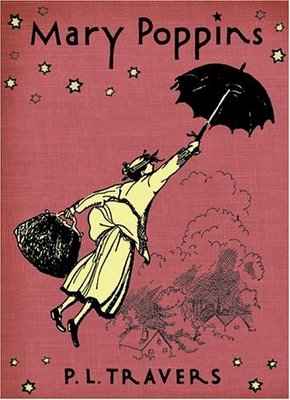
6. Mary Poppins by P.L. Travers, 1934

First of all, the Mary Poppins books (this one is actually the first in a series) are pretty different from the movie. For one thing, there are FOUR kids in the family, not two, and the book is set in the 1930s, not the early 1900s.

Another thing: Mary is a total badass bitch in the books. She isn’t kind or loving, or, you know, nannyish. She’s actually totally domineering and strict, and she’s, like, really, really full of herself. Like, she can’t pass a shop window without looking at her reflection and thinking about how great she is.

Needless to say, the kids adore her.

Of course, Mary Poppins has the same magical abilities in the books as she did in the movie. Unlike in the movie, she totally pretends that she doesn’t take the kids out on awesome adventures. Whenever the kids are all like, hey remember that time we did that cool thing, she’s all, I’M SURE I DON’T KNOW WHAT YOU’RE TALKING ABOUT. She’s ballsy, is what I’m trying to get at here.

There is one line in the book that basically sums Mary up perfectly:

There was something strange and extraordinary about her – something that was frightening and at the same time most exciting.”

And she is kind of scary in the books, which I love. I’m a firm believer in the idea that kids need to encounter frightening things (within safe contexts) in order to learn how to deal with fear. So high five, Scary Mary!
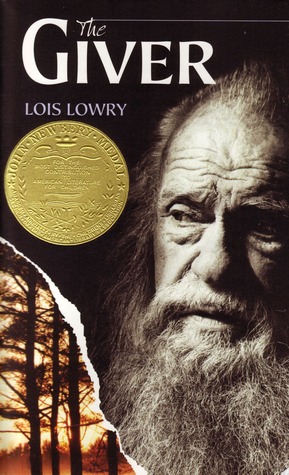
7. The Giver, by Lois Lowry

So! This is the first dystopian book that I ever read. I like to think that encountering this book in my younger and more impressionable years helped set me up for a lifetime of loving this genre.

This book is so creepy, you guys. So creepy. Okay, so it’s the future and the world is totally devoid of anything that might make life tricky, including but not limited to: religion, culture, war, colour, climate, socioeconomic circumstances, and any and all choice, including who your life partner is and what you do for a living.

Oh, and also there is no sex. Nobody has sex in the future. They take pills to repress their sexual urges, and babies are born from women who are assigned the role of “birth mothers”. I’m assuming that these women are artificially inseminated, but what do I know? Maybe there are some crazy, behind-the-scenes orgies happening.

Anyway, the interesting thing about this book is that there were a lot of things about the dystopian world that appealed to me. I mean, everybody seemed pretty happy, right? Pretty content with their lives. And, possibly because so much is provided by the state (food, clothing, etc.) and there is no socioeconomic gap, there doesn’t seem to be any bullying or cruelty between people. I mean, sure, we find out later that part of the reason for this is that if you’re too different, you get released (i.e. euthanized), but still.

Then there’s the whole being assigned your career at the age of 11. Okay, kind of crazy, but also kind of cool? I mean, who hasn’t felt overwhelmed by the fact of having to decide what you are going to do for the rest of your life? I know that when I was in my teens and trying to figure out what I wanted to take at university, and what high school courses I would need to get myself there, the choice seemed incredibly daunting. And in The Giver, it’s not like the career assignments are totally random – the kids are carefully observed by a committee for years before they’re assigned their job. Plus, free education and training!

But then, of course, you start realizing what these people have given up in order to have their safe, happy society. They’ve given up on everything that makes life really good. They’ve given up anything that gives life meaning. And they’ve totally, totally given up feelings, which, while that concept occasionally seems appealing to me, is basically what makes us human. Oh yeah, and there’s also that whole euthanizing-anyone-who-doesn’t-fit-in-and-also-old-people thing. I mean, that part also sucks.

Writing this whole thing out has made me realize that The Giver is kind of a Brave New World junior, which is amazing. It’s a great book to get kids thinking critically, and a good way to introduce them to the whole dystopian genre. What I really hope that Theo takes away from this is that being different is a good thing, feelings are scary but awesome, and the fact that getting rid of all the bad things in the world would likely mean giving up a lot of the good things, too.

Oh, and that killing people just because they’re old is a bad idea. I also hope he learns that.
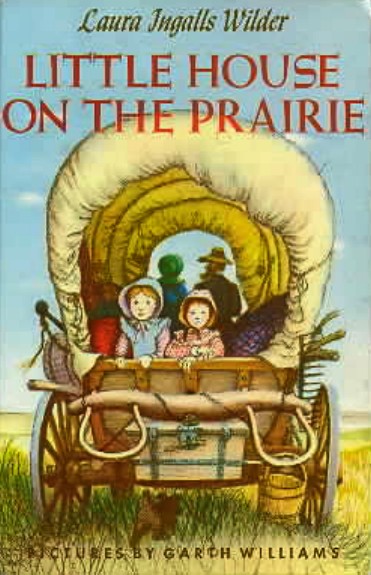
8. The Little House Books, by Laura Ingalls Wilder

These books are the best. The best. I re-read them around the time that Theo was born, and they are just as compelling and entertaining as I remember them being when I was a kid. Possibly even more so now that I understand more about their historical and political context.

There is so much to love in these books. First of all, there’s Laura herself, a smart, adventurous, resourceful girl who often chafes at society’s narrow definition of what women should and shouldn’t do. She spends a lot of time in her younger years being compared unfavourably to her older sister Mary (Mary was blond-haired, blue-eyed and well-behaved, whereas Laura was something of a hellion and, in her own words, “dumpy as a French horse” – whatever that means), but Laura is clearly the cooler of the two.

Then there’s her family, and the description of their daily life from their early days of living in a cabin in the Wisconsin woods, to their eventual permanent home on the South Dakota prairies. I used to daydream about what it would be like to live like that, because when I was seven or eight it seemed super lovely and romantic.

In reality, it was a really fucking hard life. Imagine being stuck on the bleak prairies and seeing only your immediate family for months at a time. Imagine moving there with only a few supplies, having to build your own house and then trying to live off the land for long enough that the government will give it to you for free. Somehow, it doesn’t really hold the same appeal for me that it once did. I guess the Ingalls family liked, it though – they kept at it, and in the end they persevered.

And, somehow, Laura made a lot of it sound like fun.

Finally, there’s all kinds of neat, historical stuff in here. Some of it is totally random and weird – like, in the first book, when they butcher the pig (which is basically like Christmas for them), Pa Ingalls blows up the pig’s bladder like a balloon and gives it to Laura to play with. Some of it offers a historical perspective that I’d never considered before, like when Laura is terrified  to ride on a train because they’re so dangerous. Most of the stuff about their daily life is just downright fascinating.

It’s too bad that this series has been relegated to the land of “girls books”, because, other than the fact that the protagonist is a girl, there’s nothing especially girl-specific about them. I really hope that doesn’t stop Theo from reading and enjoying them.

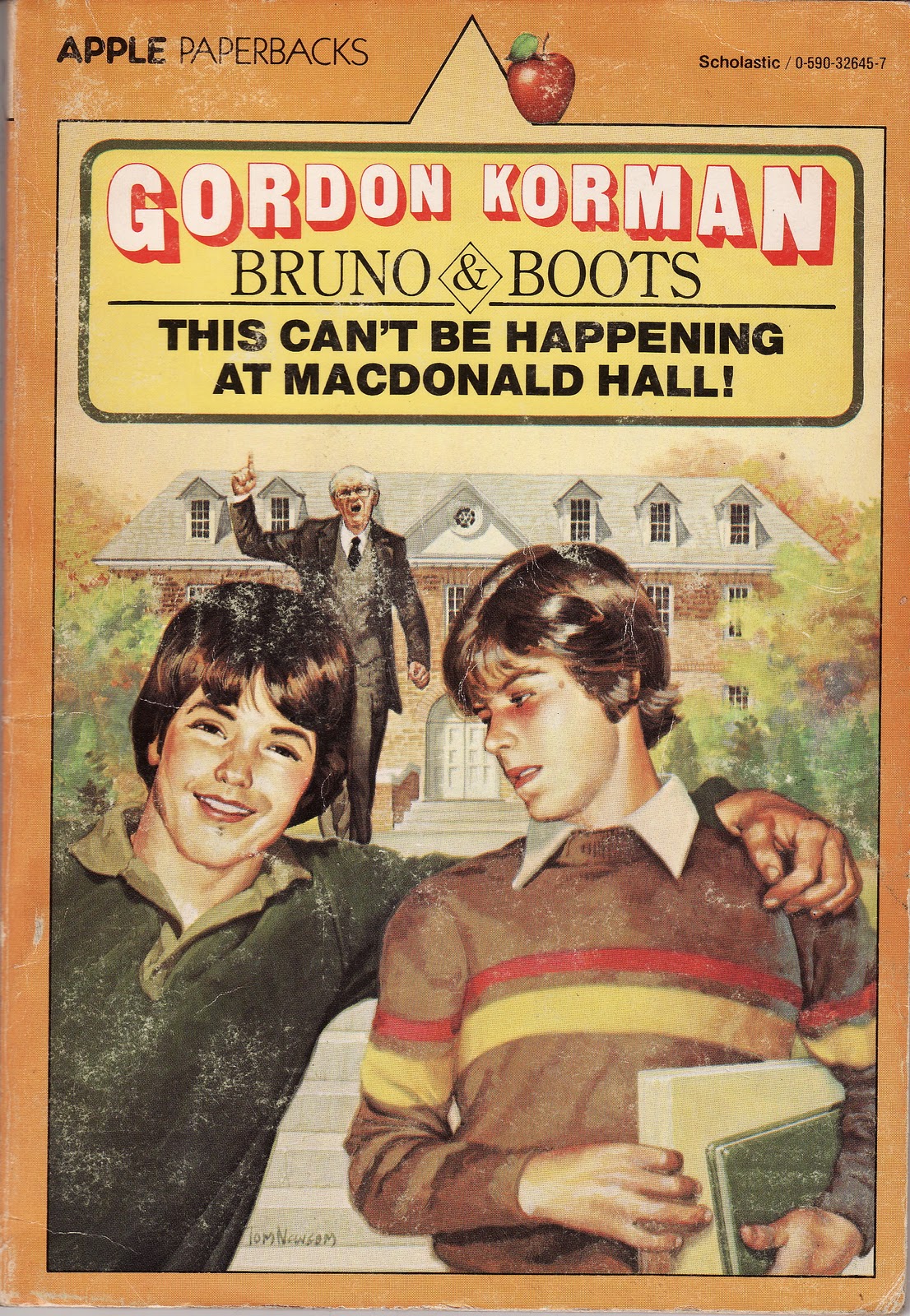
9. The Bruno and Boots books by Gordon Korman

This is a series about a bunch of boys at a private boarding school in southern Ontario. Specifically, it’s about Bruno Walton, his roommate Melvin “Boots” O’Neal and their many, many shenanigans.

I’m a sucker for boarding school stories, possibly because I spent several of my formative years reading any and all boarding school books by Enid Blyton. Except that while all of Blyton’s protagonists were boring and moral, the boys at McDonald Hall (and the girls Miss Scrimmage’s Finishing School for Young Ladies across the highway) are hilarious, awesome and always up to something.

Also, one of the books features a girl playing football on the boys’ team. So, you know, FEMINISM.

10. The Secret Garden, by Frances Hodgson Burnett

Let’s be honest: Mary Lennox is a spoiled, privileged bitch who doesn’t even know how to dress herself. But also she’s kind of awesome?

Mary has kind of a shitty childhood in India before her parents die. Sure, she gets just about anything she asks for, but she spends basically zero time with her parents, whose main goal in life is to pretend that they don’t have a kid. Anyway, then there’s a cholera epidemic (leading to a nightmare-inspiring scene in which Mary is the only person left alive in a house where people have become ill/left town so quickly that they’ve literally left their dinner on the table), Mary is orphaned and sent to live with her uncle in England.

Things are kind of terrible in England at first, but then Mary learns how to put her own damn clothes on, starts exploring the great outdoors and befriends her maid Martha’s brother Dickon. Mary discovers the so-called Secret Garden, which has been locked up since her aunt died, and discovers the magic of Growing Things. Oh and her bitchiness totally fixes her hypochondriac cousin and her depressed uncle. Score one for bitchy girls!

I dunno, you guys. This book is just so lovely. Like, check this out:

“One of the strange things about living in the world is that it is only now and then one is quite sure one is going to live forever and ever and ever. One knows it sometimes when one gets up at the tender solemn dawn-time and goes out and stands out and throws one’s head far back and looks up and up and watches the pale sky slowly changing and flushing and marvelous unknown things happening until the East almost makes one cry out and one’s heart stands still at the strange unchanging majesty of the rising of the sun–which has been happening every morning for thousands and thousands and thousands of years. One knows it then for a moment or so. And one knows it sometimes when one stands by oneself in a wood at sunset and the mysterious deep gold stillness slanting through and under the branches seems to be saying slowly again and again something one cannot quite hear, however much one tries. Then sometimes the immense quiet of the dark blue at night with the millions of stars waiting and watching makes one sure; and sometimes a sound of far-off music makes it true; and sometimes a look in someone’s eyes.”

Ugh. You guys. My heart. I am such a sucker for Victorian prose about nature.

This is another book that’s usually considered a girlish book, but you know what? For one thing, I don’t care about that stuff, and for another, TWO of the damn protagonists are boys. I hope Theo reads and loves this one as well.

Anyway, that’s all for now. Stay tuned for part 3 of 4! I’m sure I’ll get to it. Someday.

Ugh. Sleep.

15 Sep

When you have a kid, you soon realize that one of the most frequent (and bizarre) questions you get from family, friends and strangers is: is she a good baby? 

Like, what are you going to say? No? She’s a really shitty baby? I wish I could send her back? We’ve been in touch with some adoption agencies? I hope the next one turns out better?

After the good baby question, the next thing that will inevitably come out of that person’s mouth is: is she a good sleeper? Because for some reason all babies are judged based on their ability to sleep.

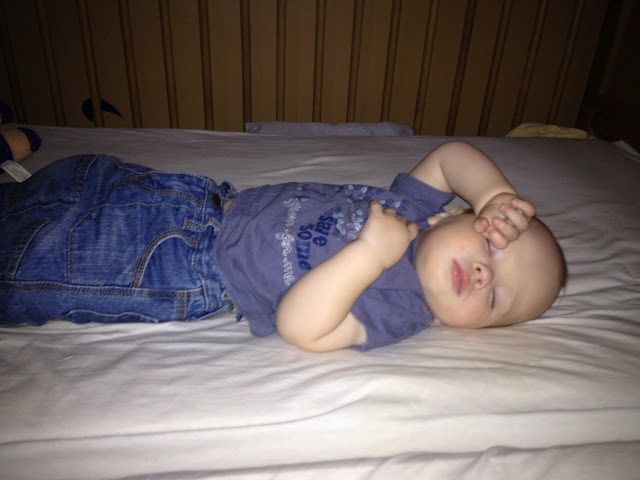
My son is a terrible sleeper. He has many sterling qualities, but sleeping well is not among them. At 19 months he still wakes up multiple times a night. I would give you an average of how many, but I’m too exhausted to count.

I’ve discovered that sleep is a really tough subject to discuss with other parents, for several reasons:

1. They all have sleep strategies that they want to share with you.

2. They assume that you have tried zero sleep strategies on your own.

3. They make you feel like having a kid who doesn’t sleep through the night is some kind of horrible failure on your part.

That last one? The one where I am made to feel like a terrible parent and a failure? I am being dead serious right there. I can’t tell you how many times I’ve mentioned to other parents that Theo doesn’t sleep through the night, only to be met with an expression that would best be described as total and complete horror. From the looks on their faces, you would think I’d just confessed that he regularly swills gin and plays with knives. Which, I mean, that is totally inaccurate, because we only sometimes let him have gin.

It sucks, because not only do I feel like I am getting grief from other parents for having a sleepless kid, but also being this tired all the time makes me want to stab things. Matt likes to tell this story about how, in the first week of Theo’s life, he was so exhausted that he started hallucinating. At one point he turned to me and said, I understand now why sleep deprivation is an effective torture technique.

Theo was a fledgling insomniac even in those early days. He grunted and wriggled around in his sleep, and he absolutely would not sleep in a crib. When I tell people that we co-sleep with him, they often assume that it’s because I’m some kind of attachment parenting hippie. I mean, I am an attachment parenting hippie, but really, the decision to share our bed with our kid was born out of the fact that we couldn’t figure out how to get him to sleep, and we were desperate.

Since then, we’ve tried a few different types of sleep training. Some we’ve had moderate success with, some we’ve been too tired to implement properly or regularly, and some have just flat-out not worked for us.

One thing that’s helped recently, though, is re-evaluating what my expectations are for Theo’s sleep. Part of that comes from the fact that I’ve struggled with insomnia since my early teens; if, at 30, I can’t remember the last time that I slept through the night, why am I expecting my kid to be able to? Theo got Matt’s blue eyes, adorable nose and laid-back personality – it only makes sense that some of my genes would start showing up sometime. I can only hope that he also got my killer fashion sense.

Thinking all this doesn’t make me any less tired, but it does make me feel a little more sympathetic towards him. Because the thing is, I know what it’s like to not be able to sleep. I know how rough that is. There are nights when I, a highly verbal and fairly capable adult, still cry from frustration because I can’t seem to turn off my brain. Given that, I don’t know why I would expect my sleepless toddler to just be able to roll over and start sawing logs.

I know from experience that I can’t force myself to sleep, and, the fact is, I can’t force Theo either.

So where does that leave us? Mostly it leaves me with a sense of it is what is is, which is oddly comforting. We’ll keep trying different strategies to get him to sleep through the night, for sure, but I’m going to try to stop feeling bad about it. He’s a sentient human being, wholly separate from myself, who, while able to know his own wants, totally lacks any ability to be reasoned with – at this point, if he doesn’t want to sleep, it probably isn’t going to happen. And it probably isn’t my fault.

Maybe this is a good parenting lesson for me. Because sometimes, my kid is going to want (or not want) to do something, and I’m not always going to have perfect control over the situation. I’m not saying that I’m going to give into him, but I am saying that maybe I need to be more flexible. Maybe I need to learn to look for a different approach to any given issue, or work to find a compromise. Hopefully, rather than seeing me as someone who is trying to impose her authoritarian will on him, Theo will come to see me as someone who is trying her damnedest to understand him, and only has his best interests at heart.

Because that’s the parenting dream, isn’t it? To have your kids respect and obey you without resenting you. To have them understand that sometimes you have to do things that they won’t like because, for whatever reason, it’s good for them. Is that even possible? I’m not sure.

If all else fails, we’ll just blow his whole college fund on therapy and sleeping pills.

Shit My 16 Year Old Self Says

14 Sep

Like many (most?) people , I had a shitty time as a teenager. I felt like a lonely, isolated weirdo. I guess I kind of was a lonely, isolated weirdo?

My parents split up when I was 13, and my mother, sisters, and I moved into low income housing. Our neighbours there did things like getting their 10 year old son drunk on Christmas and then laughing as he vomited all over the front lawn. Behind our row of townhouses was an old landfill covered with sod, which everyone called Mount Trashmore. On some nights we heard gunshots, although, to the best of my knowledge, no one there ever died. Once I saw a man, naked and high on something, beaten by the police in broad daylight.

We didn’t have any money, which meant I didn’t have the right clothes. Scratch that, I didn’t even know what the right clothes were. For some reason, I didn’t get the memo sent out to all the girls sometime during the summer before 7th grade. This memo apparently told everyone that, going forward, we would be dressing in cute little t-shirts and tight jeans. I showed up for the first day of school wearing baggy track pants and a pink sweatshirt with kittens on it.

On top of all that, I was socially awkward (no surprises there). Adolescent conversations contained a layer of subtext that I couldn’t detect and didn’t understand. I wanted desperately to know how to act around my peers, but I couldn’t seem to get my shit together and figure out the right way to be.

Oh and also, I had really, really bad skin. Like, really bad.

Anyway, I found my diary from when I was 15 and 16 today. It was weird reading something that I wrote literally half a lifetime ago. Some of the stuff in it is super pretentious, some of it’s strange, but some of it’s downright lovely.

I thought I would share a few snippets with you:

I dreamed of you again last night. It was a pleasant interlude from the harsh reality I am trying to cope with. I wish you would come back.” [oh the big emotions and big words of a 15 year old!]

Last night I dreamed that A called me; I was very happy.

Here I go on & on about how I hate society, but we have made society & we are society, so I suppose that what I really hate is people.” [a revelation!]

“I pretend that I am Margaret Atwood as I walk to school, making up long monologues in my head. This usually happens after I finish a book of hers. I spend days in Atwood-esque contemplation. I tell myself that I should write things down, but I never do.”

P does not really hate me, he says. He was just in a bad mood. He hugs me with that half-bemused, half-sarcastic smile on his face and pats my back. He hates scenes of any kind. I know, of course, that eventually he will hate me, but I can pretend for now that everything is the same.” [relationships and hormones – rarely a good mix]

Houses that have been steeped in the living of people have a certain character. More on this later.

“Everybody wants to be a writer.” [hah, how true]

Find out what’s wrong with my skull.” [this is scrawled across the bottom of a page and I have no idea what it means]

“Does everyone feel with the same intensity that I do?” [Oh, honey. Probably.]

Shakespeare was a hypocrite.”

I like the smell of wood burning. It reminds me of birthdays and camping trips and maybe something deeper than that.”

“I need this book so that I can remember me and know that what I have become is better than who I was. Or happier, anyway.”

My first instinct is to laugh at the stuff I wrote, the babyish attempts at prose and the juvenile idea that being “literary” means using multisyllabic words. I won’t laugh, though, because that girl? The one who wrote all that stuff? That girl lived in terror of being laughed at.

I’ve been thinking about that girl a lot. I’ve been thinking about what I would say to her if I could.

I would tell her that even when it seems like no one loves her, plenty of people still do.

I would tell her that, even though moving to Halifax is a good idea, she’ll never be able to outrun herself.

I would tell her that she has so many awesome people that she’s going to meet.

I would tell her that she has good taste in books and movies.

I would tell her not to to be too hard on herself.

I would tell her to brush her teeth more often.

I would tell her that there are no easy answers, and that at 30 I still have self-esteem problems, but in spite of that things are good.

I would tell her that the people who are making her feel bad right at that moment won’t matter to her in a few years, but that her good friends will only become better over time.

I would tell her that some (thought not all) of the things she’s found excruciatingly embarrassing will someday be funny.

I would tell her to do her damn homework.

I would thank her for writing all these things down, because she’s right – I’m grateful to have this record of who I was at that time.

When I bought this book I thought it was the prettiest thing ever.

How I Met Your Father (or, guess what my favourite feeling is? the answer is nostalgia)

12 Sep

Today is my wedding anniversary. Three years ago today I got married.

Matt and I first met in early 2005. We were in a one-act play festival together (I almost wrote one-cat play festival, which would be AWESOME), and we met when I was hanging out backstage with my friend Debs. Matt walked in and immediately took off his shirt (because he had to change, not because he wanted so show off his sweet abs), and I remember thinking three things:

1. He is totally my type

2. He looks super young, though

3. Don’t let him catch you staring at him

Later, during the same festival, I came backstage and saw him sitting alone. For some reason I’d gotten it into my head that he was 18, and I felt super gross that, at 22, I had a giant crush on an 18 year old.

One thing that you have to know about me is that I have a history of saying awkward things at awkward times. This explains why, when I found him there, I immediately blurted out, are you really only 18?

No, he said, giving me a weird look, why? Did someone say I was?

No reason! I said, trying to sound super casual and not like a possible cougar. But, um, how old are you?

20, he replied.

Oh. 20. Well, that was do-able (literally, heh).

Okay, I said, starting to back away from him. Well, that’s good! Good to know, I mean. Okay bye!

At the cast party a few days later, we kissed. Then we kissed some more. This was all well and good, except that the party was at the apartment of someone I didn’t really know, and now we were making out on a stranger’s bed. So I asked Matt if he wanted to come back to my place, and he said yes.

Here’s the thing: I was 22 and had never had a one night stand. Though I’d had a succession of roommates who had brought the occasional stranger (or familiar face) home from the bar or a party, I’d never been brave enough to try it myself.

As we walked back to my place in the wee hours of a bitterly cold early spring morning, I couldn’t help doing a little silent preening.

This is it, gloated my inner monologue. My first one-night stand. I am finally a cool grown up who does cool things like bring strangers home. Home to my BED, that is. 

(Oh God I hope my mother isn’t reading this)

The problem with the whole one night stand thing was that it turned out that I really liked Matt. I realized this the next morning when we went out to The Spartan (the greasiest of greasy spoons) for breakfast. We were all messy morning hair and bleary, happy eyes, and the old Greek women clucked their tongues scoldingly as they brought us our food.

We giggled as the women retreated behind the counter, occasionally throwing us dark looks while muttering in a language neither of us understood. We know what you’ve been up to, their eyes seemed to say.

It probably didn’t help that Matt had several large hickeys on his neck. Whoops.

We had so much to talk about that morning. I don’t remember any of what was said, but I do remember thinking, this is good.

We saw each other fairly frequently over the next couple of weeks. At some point Matt started to want to define our relationship, but I was hesitant. I’ve never been great at relationships, and I figured that what we had was so nice, why should we risk screwing it up?

Plus, I really loved how grown-up it sounded to say, Oh, him? No, he’s not my boyfriend, he’s just the guy I’m sleeping with.

Then, after several months of not paying the utilities bills, my power was shut off and everything kind of went to hell. We had no electricity, and no hot water. Until we got our shit together and figured this out, my roommate and I needed to find other places to stay.

I called Matt in tears, expecting him to say that he didn’t have room for me.

Come on over, he said. Just come whenever and stay as long as you want.

Later that day I showed up at his front door with a knapsack full of clothing and frozen food. He hugged me and carried my bag upstairs.

At that moment, I realized that he was definitely my boyfriend.

Even after my power was turned back on, I stayed on at Matt’s place, all through that spring and summer. When I think back to that time, it has this sort of enchanted, hazy in-between feel to it. The days were cold and wet, even well into the month of June, and we spent most of our time together in bed. We drank wine and ordered in Chinese. We rented the first two seasons of The O.C. and watched episode after episode, pretending we were sitting in the warm California sun.

We were so young. 20 and 22. That’s crazy.

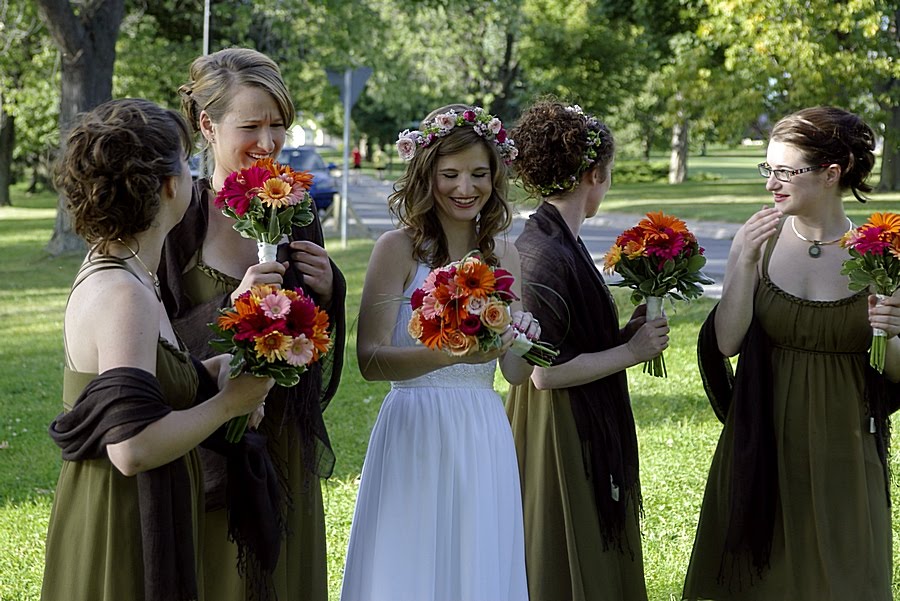
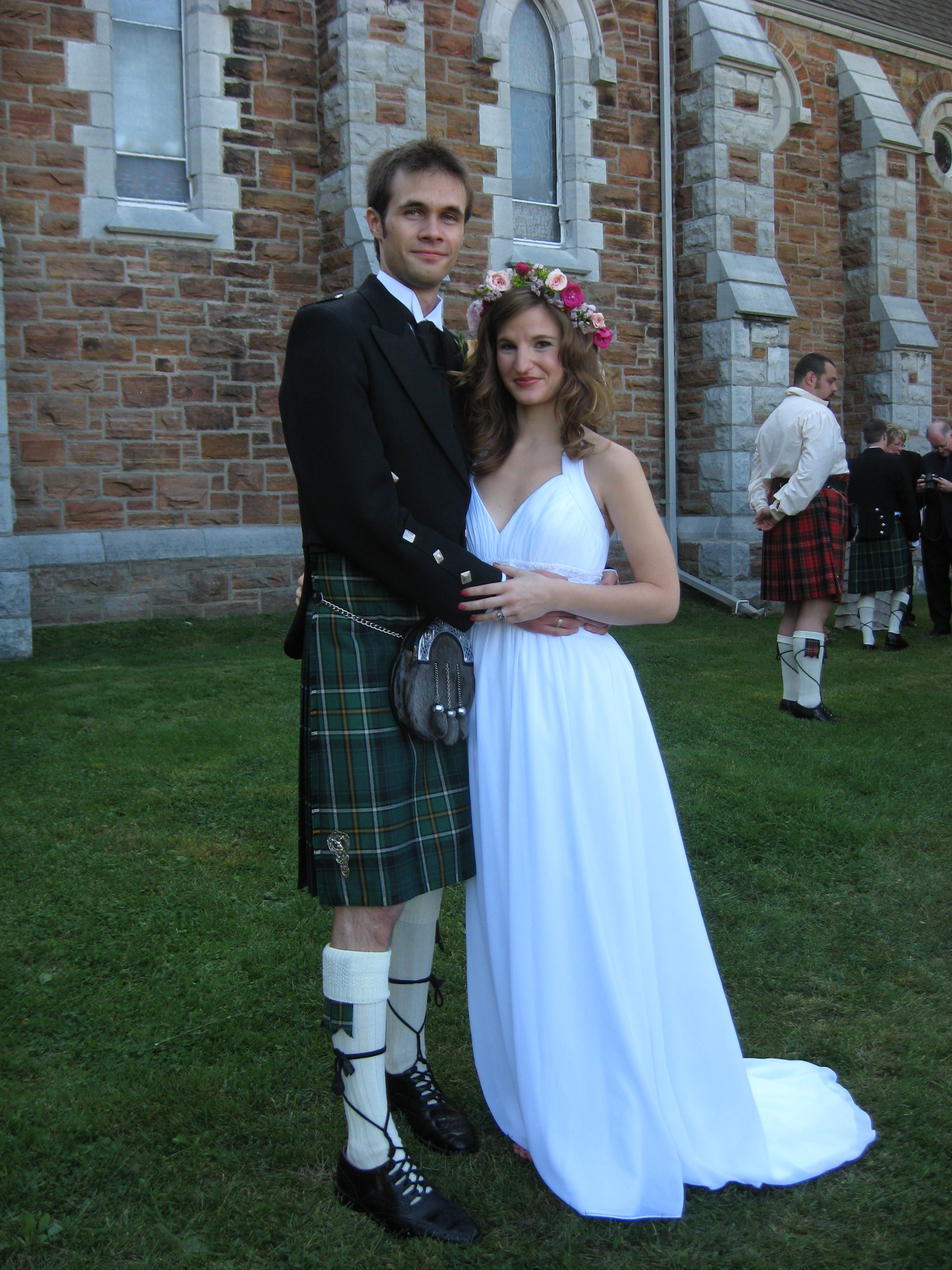
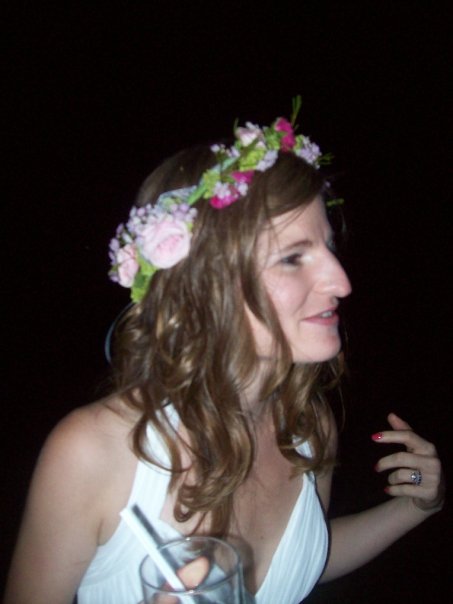
On September 12th 2009, I walked down the aisle of a tiny stone country church while my friends Rachel and Caitlin played the cello and clarinet. I had a crown of flowers in my hair and Matt, who was waiting for me at the altar, wore a kilt. My smile was impossibly huge; he had tears in his eyes.

Afterwards we went to the Officer’s Mess at the Royal Military College, which had this wonderful feeling of old-world shabby-gentility. We ate, we drank, we danced, we sat by the water and watched someone  set off fireworks on Wolfe Island.

Our wedding wasn’t big, or fancy, but it was perfect. I’m a big believer in not thinking of your wedding as the happiest day of your life but, you guys, it was so happy.

And here we are, three years later. This morning I was woken up in the dark hours of the night by Theo wanting to nurse, something which would usually bother me. Today, though, it was different. Waking up to feed my baby reminded me how far we’ve come since we first met, how happy I am that we’ve been on this journey together, and how amazed I am that we made this tiny, sturdy, independent little person. So instead of my usual grousing at having to get up late at night, I leaned over, kissed Matt, and said, happy anniversary.

I love you, Matt. I’m so happy that you’re in this with me.

What I looked like after I found the open bar.

In case you were wondering, this is the song we danced our cheesy first dance to:

And then the next day I got really fucked up on Ativan and flew to Paris for the Best Honeymoon Ever, but that’s another story for another time.

How To Talk To Pregnant Women (or, everybody just relax)

10 Sep

I don’t know what’s in the water these days, but it seems like a ton of my friends are having babies this year. I’ve been to three baby showers in the past two weeks alone.

Of course, since I am a super self-involved person, all of this baby time has brought me back to those oh-so-special days when I was gestating Theo. Watching my friends get advice from other friends and acquaintances (and sometimes total strangers) has reminded me of the things that I found super unhelpful to hear while pregnant, and  also the things I actually found helpful.

So! I’ve made this useful little guide for you!

First of all, let’s start out with the basics:

1. DON’T: assume someone is pregnant, unless they actually, like, TELL YOU THEY ARE PREGNANT.

I know that this one seems obvious, but, sadly, it still needs to be said.

DO: WAIT UNTIL THEY TELL YOU THEY ARE PREGNANT. I CANNOT STRESS THIS ENOUGH.

(A brief anecdote: the first time I went out without Theo was about a week after he was born. I went to a fancy baby store to buy a fancy nursing bra. I was trying to figure out my size when the clerk helpfully told me that my chest would be bigger once I had the baby and my milk came in.

If you ever want to see a woman who is recently postpartum cry horrible hormonal tears in public, please go ahead and ask her when the baby is due. It makes her feel really great!)

2. DON’T: talk about how huge your friend’s belly is.

Some women probably (maybe?) like this, but definitely not all of them. Unfortunately, it’s really hard to be sure which category someone falls into until you actually say it, so it’s best just to keep your mouth shut.

DO: tell her how beautiful and glowing she looks. Basically every woman loves to hear this. I know, I know, a while ago I was all, try not to give people appearance-based compliments, but I think pregnancy might be the exception to that rule.

3. DON’T: tell her, Wait until the baby comes! You will feel so differently about everything! 

While this is probably true (although maybe not – everyone’s experience varies), it is super annoying to hear. Also, it’s totally unhelpful – it’s really the kind of thing every parent has to figure out for themselves.

DO: share your experiences of what your expectations were like while pregnant, and how things were different once you had the baby. It’s helpful to hear stories about specific things that people have gone through, and it’s much better to hear it phrased as here’s how I felt rather than here’s how you will feel.

4. DON’T: tell someone how bad worrying is for the baby.

I heard this a lot whenever I tried to communicate my pregnancy-related anxieties to people. I found it really unhelpful because, while I understand that what these people were trying to do was get me to relax, what they were actually doing was give me one more thing to worry about . Like, great, I’ve still got all these other things I was feeling anxious over, and now I have to worry about whether all this anxiety is hurting the baby. DOUBLE WHAMMY.

DO: ask your friend about specific anxieties they are having, and, if possible, talk them through. If you have something from your own experience that you can relate this to, that is super helpful! If their anxieties seem overwhelming or debilitating, suggest that they talk to their doctor. Above all, remind them that being anxious while pregnant is very, very common.

5. DON’T: talk about how figuratively shitty everything will be once the baby comes.

It’s true that things will be super nuts once the baby comes! But chances are your friend already knows that, and doesn’t need to be told to get in all their sleep/having fun/quiet alone time before they pop. Also they are probably happy that they’re going to have a kid, so it’s not really cool to make them feel as if they’re making a huge mistake. They’ll have plenty of time to figure that out on their own (kidding, kidding).

DO: tell them how literally shitty everything will be. I feel like the copious amounts of poop my offspring produced was a huge surprise to both of us, especially Matt. I remember him looking at the meconium and saying, it’s like a jet of concentrated evil coming out of his backside.

6. DON’T: tell pregnancy horror stories.

No pregnant woman wants to hear about all the terrible, horrible things that could possibly go wrong while the bun is still in the oven. Sure, some people enjoy hearing these kinds of gruesome tales, but there is a time and a place for everything. Talking to your knocked-up friends is neither of those.

DO: try to keep things positive.

If the desire to tell scary stories comes up as the result of a pregnant woman confiding in you about a specific issue she’s having, please, please don’t tell her that a friend of a friend experienced exactly the same thing with tragic consequences. Try to keep in mind that it’s pretty unlikely that you’re a medical doctor (and if you are, you should be dispensing medical advice, not anecdotes), and b) you’re almost definitely not this specific person’s doctor. Instead of scaring your friend, reassure her that everything is likely fine, while at the same time urging her to talk to her doctor or call the hospital.

7. DON’T: go on and on about how happy your pregnant friend must be, or else say things like, gee, you don’t seem very excited about this baby.

DO: keep in mind that pregnancy can be an emotionally conflicting time for a lot of women. Many people find pregnancy to be traumatic for all kinds of reasons, ranging from  body image issues to past complications or losses.

Just offer a warm congratulations, and then follow your friend’s lead. Making them feel like they should be happier than they are can add an extra layer of guilt onto what might already be a complicated situation.

8. DON’T: be judgmental or rude about parenting choices.

This goes for everything from formula feeding or hospital births to co-sleeping or having a round-the-clock nanny.

Here’s the thing: you don’t know what in this person’s life has lead them to this decision. Sure, maybe it’s a decision you wouldn’t have made, and maybe it’s something that you disagree with – but as long as they plan to keep their child safe, warm, happy and fed (and chances are that they do), then it’s none of your business.

DO: offer advice and resources if the person seems open to it. Tell them about your own experiences if they want to hear about it. If not, just bite your tongue, and keep in mind that things change so dramatically with the arrival of a new baby that many of your friend’s plans will probably end up flying out the window anyway.

9. DON’T: just flat-out contradict someone if they say something that you know is wrong or inaccurate.

Honestly? This will just make them feel stupid and maybe a little defensive.

DO: explain to them why it’s wrong and offer information and resources to back your claim up.

For example, I had a friend who was told that if the baby only nursed on one side per feeding, she should pump the other breast once the feeding was done so that she didn’t get mastitis. I explained to her that up until about six weeks, milk production is hormonally driven, but after that point it becomes supply and demand. If you are nursing your baby AND pumping, then you are signalling to your body to produce more milk. This is fine if you want to keep frozen milk on hand for a babysitter, or for when you return to work, but it’s not necessary if you’re feeding on demand, and definitely won’t prevent mastitis.

I also told her that she should do whatever she feels comfortable doing, and that she’ll figure out what works best for her once the time comes (this sentence in particular is key).

Also, keep in mind that there is a study to back up just about everything, so your friend might already feel like they are well-educated on whatever it is you’re talking about. If they aren’t interested in what you have to say, then maybe just let this one slide. Pick your battles.

For example, if a person has decided after a lot of research that they think it’s best for the baby to dangle out a second-storey window from a Jolly Jumper harness, that argument is definitely worth pursuing. If it’s something more minor, just let it go.

10. DON’T: stick to only pregnancy and baby-related topics.

Seriously, this gets really annoying. When I was pregnant, there were days when I felt like I was nothing more than a gestating uterus on legs. It’s not that I never wanted to talk about pregnancy and babies (because I totally did!), just that that wasn’t all I wanted to talk about. Sometimes I wanted to feel like a smart human being with a smart human brain who thought about smart human things.

DO: keep in mind that your friends are people first, and pregnant ladies second. Try talking about a range of subjects, including but not limited to: books, movies, food, deep philosophical thoughts, Shakespeare’s plays, why Richard III maybe wasn’t such a bad guy, the weather, interior decorating, Wes Anderson films, why Wes Anderson should make a film about Richard III, etc.

Now go forth and converse like a normal human being with your pregnant friends!

Also, feel free to add suggestions for additions to this list in the comments.

“Hmmmm I’m feeling a little TOO content with my pregnancy. I wish someone would say something SUPER JUDGMENTAL to me right now.”

On fear and change

8 Sep

A few years ago, I had a somewhat serious cycling accident. I mean, not super serious; I didn’t die, wind up in a coma, or sustain a massive head injury. Still, it was bad enough that it caused a major disruption in my life.

I had just started the ASL Interpreter program at George Brown College, and, on my fourth day of classes, I was running late. I am normally an insanely wary cyclist, especially when it comes to streetcar tracks, but that day all I could focus on was getting to school on time.

It happened at Church and Adelaide. I was preparing to make a left, and, in the process of moving into the turning lane, was looking back over my shoulder to make sure that there were no cars behind me. Suddenly, I felt the sickening sensation of my front tire leaving the pavement and sliding over the metal of the streetcar tracks.

I tried to correct myself before my wheel went into the groove, but I couldn’t, and I felt a shuddering thunk as my front tire fell into the track. I tried to stop, but I had too much speed and momentum. My back wheel slid out to the right, and I felt my bike jackknife beneath me.

I am going to fall, I realized. In the middle of traffic. I might die.

There was absolutely nothing that I could do.

Weirdly, my memory is a total blank from from the time I realized that I was going to fall until the moment when I was suddenly sitting on the hot, late-summer pavement, watching my bike’s wheels spin impotently in the air. I didn’t lose consciousness or anything like that; I guess my mind just kind of shut down, unable to process what was happening.

By the time I came back to myself, a crowd had started to gather. Two people convinced me to get out of the middle of the road (for some reason I actually needed to be talked into this), and helped me over to the curb, while another called an ambulance. A third wheeled my bike to a side street and locked it there, leaving me with a map of where to find it once I was able to come get it. Two women waited with me until the paramedics came.

At the hospital I found out that I’d fractured my tibial plateau (part of the knee joint), and needed both a bone graft and a metal plate. Because I wasn’t technically emergency surgery, I had to wait until a slot opened up for me, which took three days. During that time I wasn’t allowed food or water from midnight until 8 am, just in case an operating room became available. I had to share a hospital room with three other people; I had to listen to a doctor and a group of interns tell a woman that she was going to die. They closed the curtains around my bed for that, but that did little to shut out the sound.

Recovering from surgery was hell (although I did quickly develop a fondness for strong painkillers). I couldn’t bear weight on my leg  for two months, and then when I could, I had to have physiotherapy to re-learn how to walk. I was in constant pain, and so, so tired; everything seemed like such an enormous effort. Getting dressed and leaving the house was too much for me some days. I mostly couldn’t do anything except lie on the couch, read trashy books and pop pills. School was out of the question, so I dropped out. The whole life that I’d mapped out for myself, the one that was supposed to rescue me from the drudgery of working retail, crumbled.

But, somehow, none of that was as bad as that one, single moment on my bike when I’d realized that I was definitely, for sure, not kidding going to fall. The scariest part of that was not the idea that I might die, but the fact that I had no idea what was going to happen.

Often change, especially change that comes about as a result of a decision that I’ve made, brings me back to that same panicky fear. To extend the metaphor, I am that same careful cyclist in my life, always trying to make the best choices – obeying stop signs, signalling when I change lanes, trying to stay aware of the traffic around me. But really, any choice could result in a terrible fall – I could be doing everything right, and still end up lying in the road, unable to walk.

How can I ever be sure of not falling? How can I be sure that going back to work is the right choice for our family? What if I can’t succeed as a yoga teacher? What if daycare ends up being totally wrong for Theo? When I try to answer any of these questions, I come back to that same terrifying response: I have no idea what’s going to happen. Sure, I can make assumptions, based on research that I’ve done or past experiences, based one what I know about myself and other people. But I can’t know for sure, and that is fucking scary.

On bad days, even little decisions can seem overwhelming – whether or not to publish a blog post, what to have for lunch, what to do in the evening after Theo goes to bed. Each one carries with it the potential of regret – what if I hurt or offend someone with my writing? Or what if it’s no good, or not ready to post? What if I take one bite of my food and realize that it’s not what I really wanted? What if I’m spending too much time online, and not enough with Matt?

Some days it seems like everything has the potential for disaster, or at least disappointment.

So what’s the answer? Try to plan out my life to the point where I feel like I have little or no need to make choices? Hide in my house and try to mitigate the likelihood of fear and disappointment? Tell myself to just get over it and stop caring so much already?

I guess that the best that I can do is continue to take measured, studied leaps and do my best not to fall. To try to take risks when necessary, and even sometimes when not necessary. And most of all, to remember that falling is not the end of the world, and that everyone falls sometimes.

At the end of the day, I just have to hope that every fall is as lucky as the one I had that day at the corner of Church and Adelaide. I have to hope that I am always so fortunate as to have a crowd to help me to safety, and then a team of people to put me back together. I also have to realize that even if there is no one there to help me, I am capable of helping myself.

Tonight is a rough night. My mind is all snarled up with fear and uncertainty and self-doubt. These past few weeks have been one, long preparation to leap, and, having now jumped, I’m still not sure if I can see the place where I’m supposed to land.

I promise I’ll let you know if and when I get to the other side.

Yes, this is actually me.

Family Pictures

8 Sep

A few months ago we purchased a family photo session with Diana Nazareth through Ethical Deal. I am a sucker for candid, natural light photography, and I love, love, love Diana’s work. At the end of August, we went out to the Brickworks for our session, and Diana just sent me the first image:

Image

I can’t even tell you how much I love this. I feel like this represents our little family so perfectly ❤

I can’t wait to see the rest of the pictures!

Vive Le Quebec Libre! (or, Anglo Privilege)

7 Sep

Yesterday morning, I woke up to find several posts on my Facebook feed about the recent provincial election in Quebec. Almost every post was disappointed and scolding in tone, admonishing La Belle Province as if they were a wayward child. Oh Quebec, the subtext seemed to say, why can’t you stop talking about separating and start behaving like a normal province? Why can’t you just be happy with everything we’ve already given you?

Full disclosure: I was born in Quebec and lived there for the first few years of my life. My parents were both born in Quebec. My mother’s (anglophone) family has lived there for several generations. My father’s family (who are anglophone, but come from a francophone background) moved there from the Maritimes in the mid-50s.

Fuller disclosure: I love Quebec, especially Montreal. I love the little frivolous things, like the buildings with outdoor wrought-iron staircases leading to second and third story apartments, and the giant Farine Five Roses sign that greets you as you pull into the train station. I love the people, and their laid-back attitude. I love how much they appreciate art and culture. I love the food.

I love the bigger things, too. In fact what I love most about Quebec are its socialist ideals and the fact that its people are willing to stand up and fight for what they believe in.

I would say that Quebec is easily the most-hated province, with Ontario coming in a close second. When I talk to people about Quebec, I often get negative reactions. The complaint that I hear most often is that the Quebecois are rude and want to make anglophones feel bad by refusing to speak English to them.

I hear this story a lot, actually. Usually, it’s an anglophone from a province other than Quebec traveling through there for whatever reason. They’re upset because they’re certain that every Quebecois is perfectly proficient in English but simply chooses not to speak it just to prove some kind of political point.

The funny thing is, while working in retail, I’ve heard these exact same people complain about francophone Quebecois visiting Ontario and refusing to speak English when shopping in their store. When I’ve suggested that these people greet the francophones in French, I receive blank stares. But I don’t speak French, they tell me.

So let’s break this down: it’s fine for you to go to another province and refuse to speak their language, and you expect to get service in your own mother tongue. However, when the Quebecois come to your province, they have to speak English, and they should expect to receive service only in English. It’s fine for you to speak zero French, but the Quebecois need to suck it up and speak English, right?

Here’s the thing: most francophes feel just as shy about their English as you do about your French. Here’s the other thing: I am calling total bullshit on your story. Whenever I go to Quebec, I speak French, in which I am fairly fluent. A good chunk of the time the person I am talking to will hear my accent and switch to English, either because they want to make me feel more comfortable or because they want the chance to practice their English.

If someone in Quebec is not speaking English to you, chances are that they just flat-out do not speak English.

The second complaint that I most often hear is that Quebec just wants more and more from the federal government and is never satisfied. I’ve heard people say that now that Quebec has French as its only official language and their culture is protected, why don’t they just stop? I mean, their rights are protected now, yes? This is like saying that women are totally equal to men and so feminism can end now, which is to say: totally untrue.

Francophones in Quebec had a pretty shitty deal up until the Quiet Revolution. They were kept oppressed by various premiers (but especially Duplessis) and (unsurprisingly) the Catholic church. English was (and, really, still is) the de-facto language of the federal government, and the majority of the ruling class in Quebec were anglophones. In order to get a good job in Quebec, it helped greatly to be perfectly fluent in English. It helped even more to have an anglophone surname.

Before the Quiet Revolution, unemployment for able-bodied francophone men was high, reaching 50% in some areas, but for the anglos it remained low. Although 80 percent of the Quebecois were francophone, they owned only 28.3% of the businesses in the province. The majority of those businesses were involved in manufacturing, but they accounted for only 15.4% of Quebec’s production. The anglos controlled everything else.

And then there was the threat against the francophone language and culture. Seems ridiculous, right? Except that it’s not. Let’s look at another francophone culture in Canada: the Acadians (i.e. my people!).

The vast majority of people with Acadian surnames are anglophones (myself included). Up until recently, it was often economically and culturally advantageous for the Acadians to assimilate, and many of them did. When my great-grandmother moved from rural Cape Breton to Halifax, she stopped speaking French altogether, even though it was her mother tongue. She didn’t teach her children to speak French, and would flat-out refuse to speak to her brothers and sisters in any language except English. For her, there seemed to be little advantage in passing her culture along to her children, and every advantage in having them grow up speaking only English. Towards the end of her life she began to regret her decision, but by then, of course, it was too late.

Unfortunately, this is a very common story.

So it’s not a totally unfounded fear that the Quebec language and culture could slowly and methodically be eroded by the anglophone majority in Canada. And it’s not like we have a federal government that is super supportive of them; it often seems like the Harper administration does its best to thwart Quebec at every turn.

And then there’s separatism. That’s the biggest one that people freak out over. I feel like a lot of this (not ALL of it, but a lot) stems from this idea that, hey, we’re Canada. We’re super nice. Why won’t Quebec love us even though we’re clearly the nicest nation on earth? If Quebec doesn’t recognize how awesome we are, then it must be because there’s something wrong with Quebec, right?

Canada, I’ve got two things to say to you:

1) As my mother would say, not everyone is going to like you and you just need to deal with it.

2) Maybe you aren’t as awesome as you think you are.

My mother (who was, don’t forget, an anglophone who grew up in pre and post Quiet Revolution Quebec) has always said that it’s easier to be an anglophone in Quebec than a francophone anywhere in the rest of Canada. You are far, far more likely to be able to find English services in Quebec than French services anywhere else. But you probably don’t see it that way because you have what I’ve decided to call Anglo Privilege.

Anglo Privilege may lead you to say any or all of the following:

“We won at the Plains of Abraham! Quebec needs to accept that!”

“They’re ruining their children’s lives by having them grow up speaking French – English is the leading business language of the REST of the WORLD.”

“Imagine how upset people would be if we had ENGLISH language laws in the rest of Canada!”

“They’re just threatening to separate because they want MORE from us!”

Buddy, I got news for you: they’re threatening to separate because they’re unhappy. The Parti Québécois keeps getting elected because the francophones in Quebec are concerned that the federal government and the rest of Canada do not have the best interests of their province and its people at heart. And every time you bitch about Quebec and how high maintenance they are and how they should just get over it already, you are reinforcing that view.

You guys, Quebec is awesome. They have socialized daycare, free post-secondary education (CEGEP), and, in addition to a one-year parental leave, they offer five weeks of leave to the partner of the person taking the parental leave. Plus they like to have demonstrations and riots! So many riots. All kidding aside, if it were possible for our family, I would move there in a heartbeat.

And so I say, Vive Le Québec Libre! And if you’re afraid of the possibility of Québec separating, then I would urge you to help build a Canada that contains a Québec Libre, whatever that term means to the people of Quebec. Surely this is something we can figure out if we work on it together? You know, like an actual, unified country would?

Okay, but really, shouldn’t it be Farine Cinq Roses? Where are the language police when you need them…

Everything is perfect (or, everything can be improved)

6 Sep

Full disclosure: I am pretty tipsy right now. Please proceed with caution as the following may not make grammatical/syntactical/any kind of sense.

NaBloPoMo Day 3

Prompt:

Wednesday, September 5, 2012
Bob Marley asked: “Open your eyes, look within. Are you satisfied with the life you’re living?”  How would you answer him?

I woke up yesterday to an overcast sky. I should have checked the weather, but it was Theo’s first day of daycare, and we were in a rush to get out the door. I knew that it had rained overnight, and my foolish, optimistic self assumed that the sky would clear sometime during the morning.

It didn’t.

By the time I arrived at the daycare to pick him up, the rain was pelting down. Even with an umbrella, I was soaked up to my waist. As soon as he saw me, Theo pointed at me and said, Mama, water!

It was pretty bad, and it was about to get worse.

See, the thing is, it’s basically impossible to hold an umbrella and push a stroller. I’ve been talking about buying a good raincoat with a hood (or a sou’wester!) since last summer, but I haven’t actually done it yet, because I am the queen of procrastinators. So I ended up having to walk home, in the rain, without any kind of protection.

There’s a funny thing that happens when you walk in the rain. At first you hunch your shoulders up and keep your head down, as if that will stop you from getting wet. Then you realize, shit, I’m already as wet as I’m going to get. You start loosen up, you relax your muscles, and look up. And, maybe, you start to enjoy it.

Yesterday, the water on the sidewalks of Forest Hill was ankle-deep in places. I was wearing ballet flats, which quickly became totally saturated, squelching uncomfortably with every step. It didn’t take me long to realize that I would be happier without any shoes on. Which is how I ended up walking barefoot in the rain through the mean streets of Toronto, my white tank top rendered nearly transparent, hair plastered to my scalp and dripping in my eyes. And you know what? It was great. Realizing that I had no control over how wet I got, and giving myself permission to get soaked made a world of difference in how I viewed the rain.

Now, how does this relate to the prompt?

Asking me if I’m satisfied with the life I’m living is a loaded question.

Is this where I thought I would be at 30? No, probably not. I had so many things that were supposed to have happened by now that haven’t, for one reason or another. Do I have regrets for the things that have led me here, to this place in my life? Yes, yes, a thousand times yes. I am the master of regrets. Give me any scenario that I’ve been involved in, and I’ll find something to regret about it.

But I also think that the happiest moments in my life have been those that I’ve thought about the least. Walking barefoot through the rain, for example. Running, not because I have a bus to catch or I’m training for a marathon, but because I like to feel the wind in my hair and my feet pounding the pavement. Kissing someone because I want them and need my body to be close to theirs in that moment, without thinking of what might come after.

I like to plan. I like to think ahead. Not only do I like to have all of my ducks in a row, I also like to arrange them by size and shade of yellow. Sometimes that works out really well for me; often it leaves me frustrated and angry when things don’t go my way. Yes, I want to have agency over my own life and control my own destiny, but sometimes it’s exhausting and demoralizing. Sometimes I just want to let go and see where that takes me. Sometimes I would really like to be able to switch my brain off and stop thinking. Sometimes I just want to do something because it feels good, and not wonder what it will mean for me in the bigger picture.

I feel like I spend a lot of time fighting myself, and fighting my desires, because I don’t think they’re beneficial to me.

What I want is to realize that no matter how hard I try to stay dry, I’m going to get wet. I want to accept that I am getting wet and maybe even enjoy it.

So what am I supposed to answer?

Yes, I am satisfied with my life? Does that mean I’m stagnant and boring?

No, I’m not satisfied with my life and I want to continue to try to work harder to improve my lot? Does that mean that I’m impossible to please and will never be happy?

Let’s leave it at this: I am satisfied that I am here, on this earth, in this particular time in history. I am satisfied to have this particular man in my life and have given birth to this particular child. But I think there is a lot of room for change and forward movement.

Or, as one of my yoga teachers said:

“Everything is perfect. Everything can be improved.”

I hope that’s enough of an answer.